At the end of the most challenging decade American farmers had ever faced, Hugh Hammond Bennett, father of the soil conservation movement in America, penned the following words to open his seminal 1939 book Soil Conservation:
In fifteen decades, Americans have transformed a wilderness into a mighty nation. In all the history of the world, no people ever built so fast and yet so well. This will be a land of liberty, they said in the beginning, and as they hacked the forest, drove their ploughshares deep into the earth, and spread their herds cross the ranges, they sang of the land of the free that they were making . . . . [yet] not mere soil is going down the slopes, down the rivers, down to the wastes of the oceans. Opportunity, security, the chance for a man [and woman] to make a living from the land – these are going too. It is to preserve them – to sustain a rewarding rural life as the bulwark of this nation, that we must defend the soil.
Just as Hugh Hammond Bennett recognized the critical need to prevent soil erosion from destroying the productivity of our land, today we are learning that soil health must be restored if our land is to remain productive for our children and our grandchildren to farm.
Many, many farmers have told me one of their top priorities is leaving the land in better shape than they found it, especially with the hope that one or more of their children will be able to farm and thrive upon the same land. For all of us, having healthy soils is essential to the prosperity and vitality of our nation. Leaving a legacy of better soil and better land is a goal everyone in agriculture can aspire to and contribute to. It’s our collective goal of land care and legacy that I want to address in this final chapter.
As I’ve traveled across the U.S. visiting over two hundred farms in my work with the USDA SARE program, I’ve come to see the strong connection conservation-minded farmers have with their soil. It doesn’t matter if they farm two acres of vegetables, 20 acres of fruit trees, 200 acres of pasture, or 2,000 acres of row crops; no one wants to leave behind degraded fields and pastures or see precious topsoil washing away.
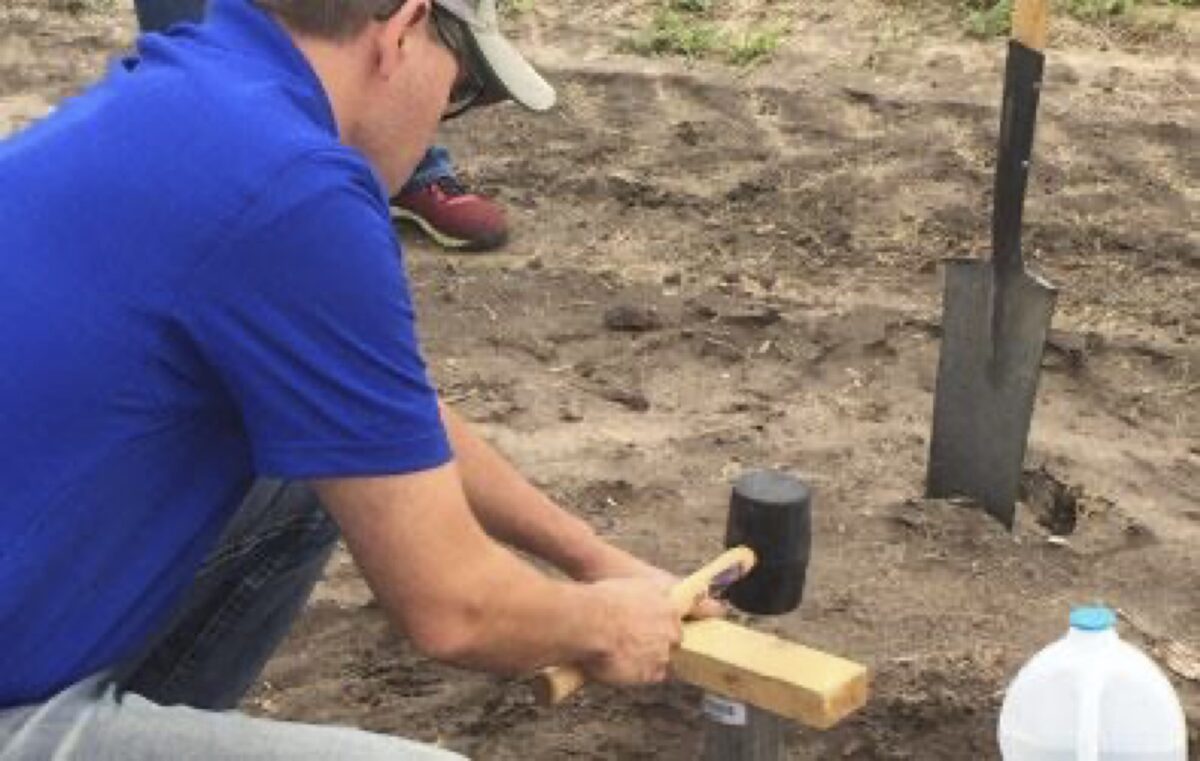
We are fortunate that these days we can take advantage of new soil health tests to evaluate how we are doing with maintaining and building the health of our land. More and more soils labs are offering soil health tests, allowing soil monitoring over time to tell us if we are headed in the right direction with our soil care.
If you are getting some soil health samples from a field, pull some comparative ones from an undisturbed fence line or long-term pasture to gauge how your cropping system is affecting the soil. Be sure to get guidance from a soil health expert with NRCS, Extension, or a trained soil health advisor in evaluating the results of the test. Look at a combination of soil health test results for things like active soil carbon, soil aggregate structure, soil microbial respiration, and other measures. Just like your doctor looks at several different health factors, such as cholesterol, blood pressure, body mass index, and blood workups, we need to evaluate several measures of soil health from a field to get a sense of the biological, physical, and chemical status of the soil.
When I think about where we’re at with soil health today, I think that we are at the beginning of a new agricultural chapter in better understanding how to use practices like cover crops to regenerate the health of our soils and build resiliency in our farming operations. I think of farmers like Dan DeSutter from Indiana who has said a principal goal before he retires from farming is to rebuild his soil organic matter to the level it used to be at when plows first carved into the prairie soil on his land. His mindset is driven by his strong desire to leave the farm in a productive and prosperous state for his three sons to farm, just as he followed his father in farming.
I think of Ray Gaesser, a former president of the American Soybean Association who farms in Iowa. Ray has spoken regularly in meetings about how his terraces and no-till system were not proving sufficient to stop erosion in big rainstorms, and he found cover crops could help anchor his soils in place. The more he has used cover crops, the more he has seen the soil health improve. Ray also farms with a mindset of leaving the land better for his son who now farms with him. (Both Ray and Dan are part of the farmer profiles in this book – read their stories in the following section.)
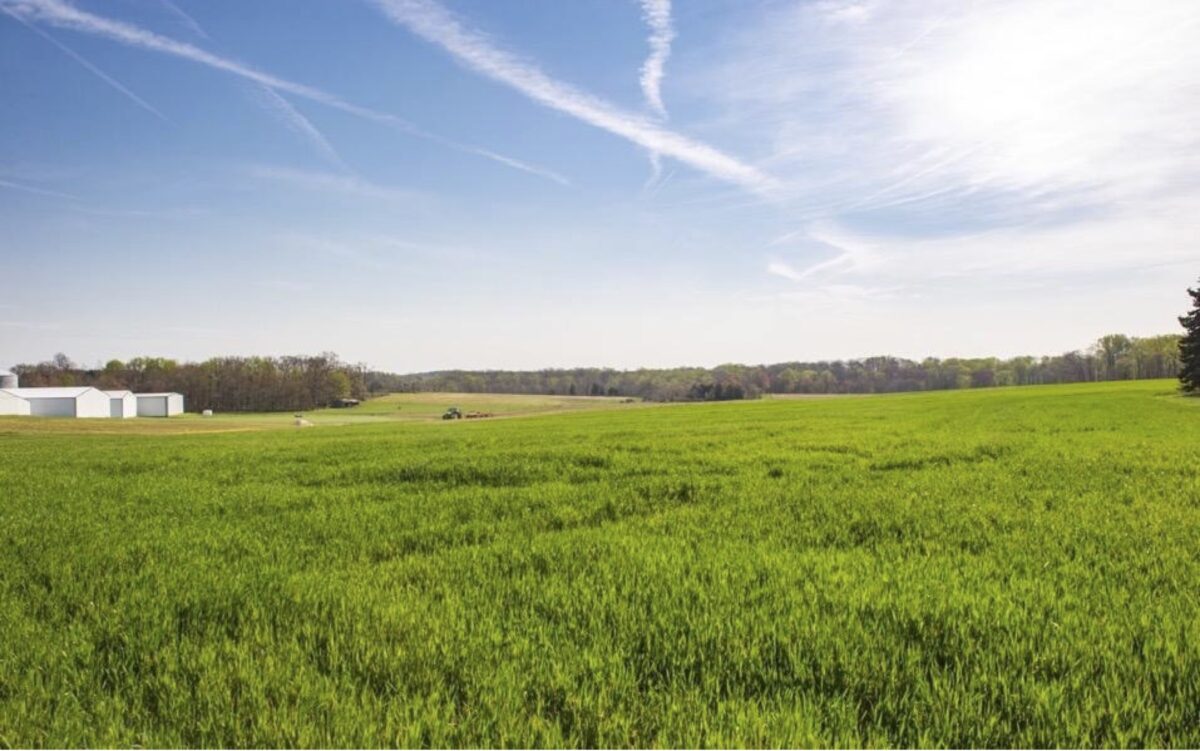
And it’s not just sons, it’s daughters and nieces and nephews and in-laws and grandchildren coming into a farming operation where the productivity of the soil is so important to their short-term and long-term success. Even if no family member is engaging with the farm, what better legacy is there than to pass along productive farmland to the next generation? Just as the land has sustained all of us to date, we need the land to sustain those who come after us.
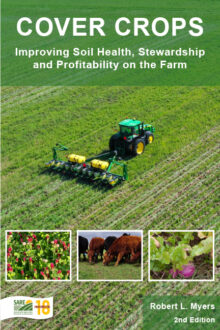
I titled this book Cover Crops: Improving Soil Health, Stewardship and Profitability on the Farm to emphasize how crucial it is that we have living soils. I was fortunate to be part of making a beautiful award-winning film called Living Soil that shares the stories of many farmers across the U.S. working to improve the health of their soils with cover crops. I’m glad to say this film has been enjoyed by over four million people at the time I write these words. It’s free to watch on the internet; just do a search for “Living Soil Film” and you’ll easily find it. If you are not yet convinced to try cover crops on a field, I think this film will inspire you.
My closing advice in this book for those who have yet to try cover crops is to start small. Just take a single field and plant a cover crop like cereal rye after harvest. Give it a real chance, plant the cover crop quickly after harvest and use a grain drill or other effective seeding method. Pick a cover crop suited to your area. If it fails to establish the first year, try again. The volunteer-led regional cover crop councils have tips online for cover crops to use in your area and suggested management approaches (do a search for Midwest, Southern, Northeastern, or Western Cover Crop Council to find their websites). There’s also a wealth of information from the USDA SARE program (see www.sare.org/covercrops) and your local NRCS staff.
Find a farmer or two in your area or your state who has been using cover crops for a while and see what they have to say. You can find these farmers through your local NRCS, soil and water district office, Extension office, regional cover crop council, or by going to a local field tour or meeting on cover crops and soil health.
Ultimately, it’s up to you, regardless of your role in farming, to help protect our soil and improve soil health. Cover crops are a key tool to help farms thrive and provide productive farmland for many years to come. I have found working with cover crops to be an enjoyable and rewarding experience and have had many, many farmers tell me they feel the same way. Today over 150,000 farm families in the U.S. are using cover crops in every region of the country. The land you work with can be green and healthy if you take the steps to get there. Read the stories of farmers from across the U.S. in the following profiles to learn about why they use cover crops and what they have experienced.