While the focus of this book is on cover crops, there is no doubt that there are several other practices that can build soil health, and most of these can be used very effectively in combination with cover crops. Many conventional farmers who adopt cover crops start seeing the benefits of improved soil health and ask “What else can I do to improve my soil health and cropping system resiliency?” Many find themselves reducing tillage and start experimenting with no-till. Others add grazing, either with their own livestock or by leasing part of their cover-cropped ground to a neighbor. Buffer strips start to become more economically viable with grazing as part of the land management, and diversified crop rotations may also be of interest. Each of these practices and its relationship with cover crops is discussed below. Combinations of these practices can boost overall conservation progress on your farm and produce fields that are more resilient to droughts, downpours, and other challenging conditions.
Minimizing soil disturbance with no-till or strip-till
My first exposure to no-till was a neighbor about a mile from our home farm who switched to no-till in the mid-1970s when I was in my teens. I never got to hear why that neighbor made the change, but I did hear plenty from my dad about how skeptical he was of no-till, with frequent negative comments about how “trashy” the neighbor’s fields looked. My dad subscribed to the school of thought, as did so many farmers of that era, that you were a good farmer if you had clean-tilled fields and you got your tillage done early. Ironically, 20 years later as my dad was retiring from farming in the mid-1990s, he told me that if he had planned to farm for another five years, he would have switched to no-till. His comment surprised me, because no-till was still uncommon in central Illinois at that time. It was a good lesson in how accepting change can take time, but my dad had started to see the benefits our neighbor was getting from no-till.
In the 1980s I got some first-hand experience with no-till in a large, multi-location corn study in Minnesota that involved several tillage approaches in combination with different nitrogen rates. That work led me to develop a prototype software tool for helping farmers select a conservation tillage system as part of my PhD research. As part of that work, I consulted with some tillage experts on factors to consider when deciding on no-till versus other options. I learned there are a lot of factors that come into play when considering a switch in tillage systems.
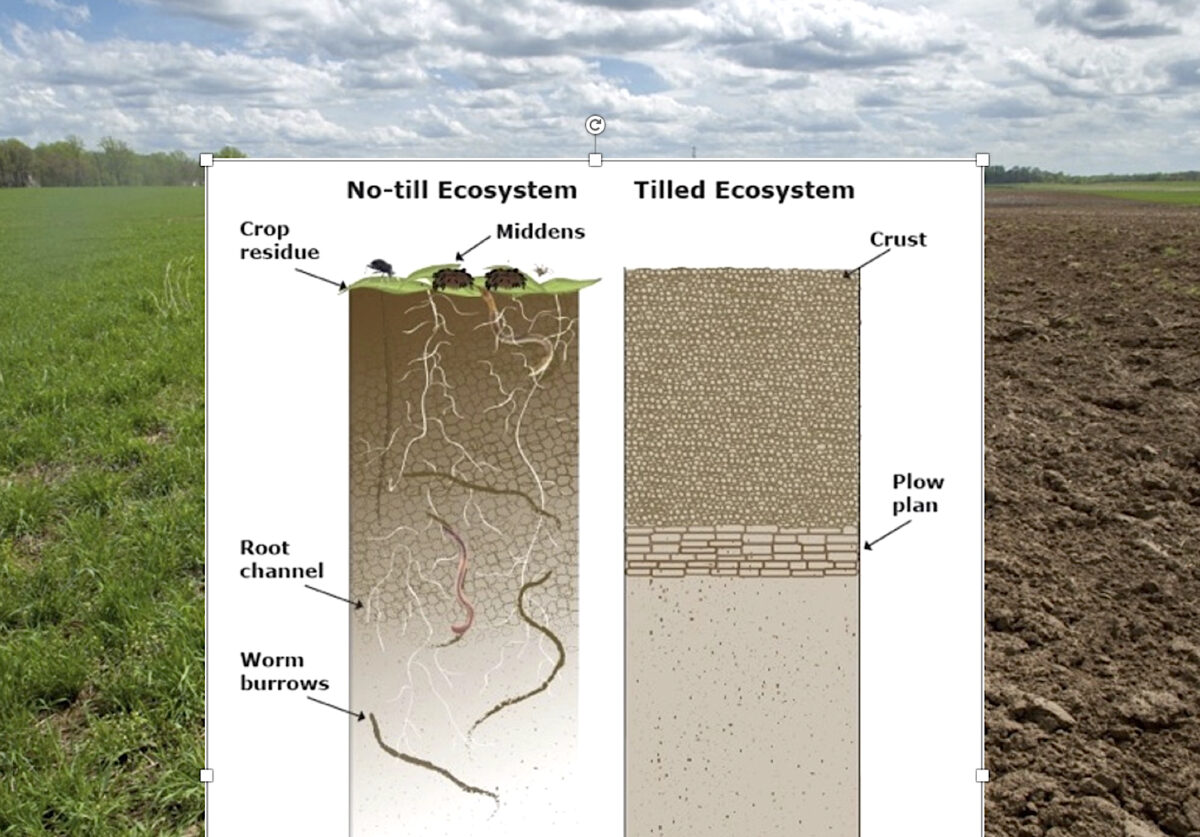
When I moved to Missouri in 1989 to become an agronomy faculty member at the University of Missouri, I found that many farmers had adopted no-till to address erosion issues on sloping Missouri fields. However, at our university agronomy farm, nearly all of the crop research was done in tilled systems. I started to experiment with no-till and cover crops in the early 1990s but did not become a whole-hearted advocate of no-till until I later learned the importance of minimal soil disturbance for maintaining soil biology. I also learned how no-till supports development of improved aggregate soil structure and macropores (vertical channels in the soil). The photo above shows how the tunnels from earthworms and decaying plant roots provide macropores that allow rainfall to quickly infiltrate the soil. The better soil structure in undisturbed fields leads to better water holding capacity and also contributes to increased root growth.
Another key aspect of no-till for soil health is the impact of tillage on mycorrhizal fungi. These fungi play an important role in helping crop roots access more nutrients in the soil and can aid with water uptake. Tillage destroys fungal hyphae and leads to a reduced presence of beneficial mycorrhizal fungi in the soil.
Tillage passes also cause loss of soil moisture. According to Jerry Hatfield, former director of the USDA-ARS National Center for Agriculture and Environment, each spring tillage operation causes a loss of moisture equivalent to half an inch of rainfall (No-till Farmer, 2013).
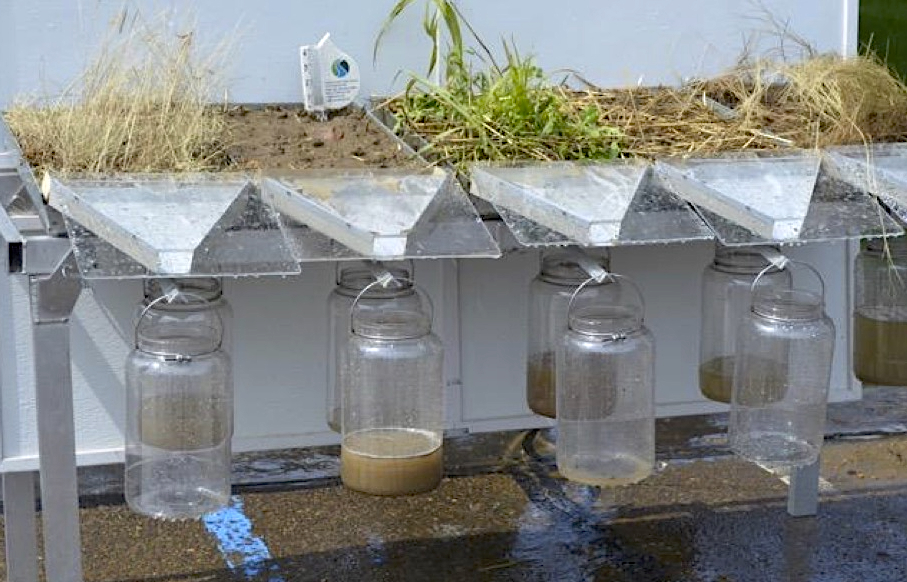
Many farmers have seen rainfall simulator comparisons of no-till cover crop fields with tilled soils. As the photos below illustrate, more rainfall soaks into soil that is no-till and cover-cropped than soil that is tilled. This not only helps during dry periods, providing critical moisture to crop roots, but it also helps reduce loss of topsoil and expensive fertilizers through runoff from the field.
From a profit and time standpoint, no-till is considered a superior system because it requires fewer trips over the field and reduced machinery and diesel fuel expenses, as well as lower machinery maintenance and storage costs. Many no-till farmers feel they can more comfortably farm more land in this system and, when including cover crops, are able to plant or harvest sooner following rainfall.
Some conventional farmers have hesitated to try no-till for fear that spring planting will be delayed. They worry that soils will stay too cold and wet in no-till compared to fall-tilled fields that may warm up faster with spring sunshine. What’s important to know is that cover crops can help overcome these no-till concerns. Cover crops in a no-till system are stimulating soil biology, and between the living covers and more active soil biology, soils with cover crops tend to stay warmer than soils that are no-tilled without cover crops. The cover crops can also draw down excess moisture in the spring, increasing the odds of planting earlier (if it’s a dry spring, however, early termination of the cover crop may be prudent).
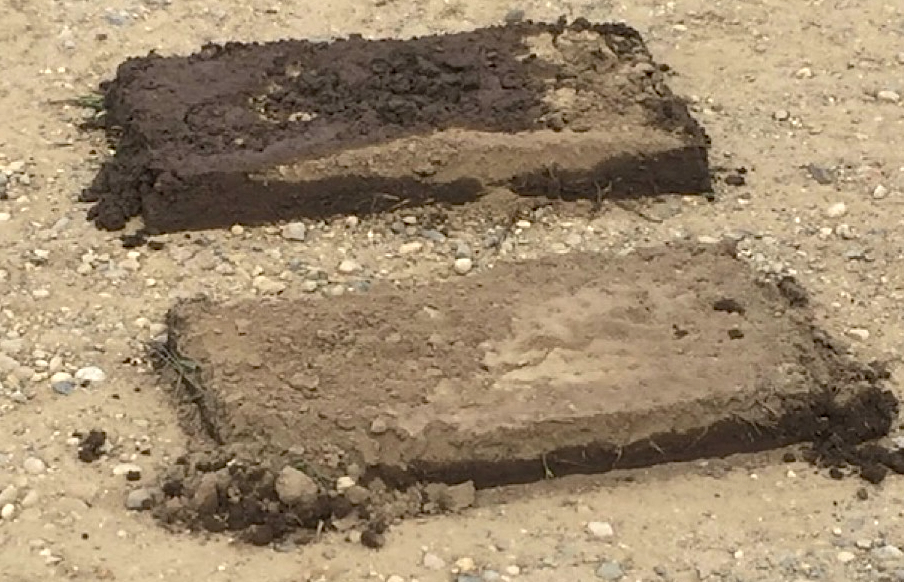
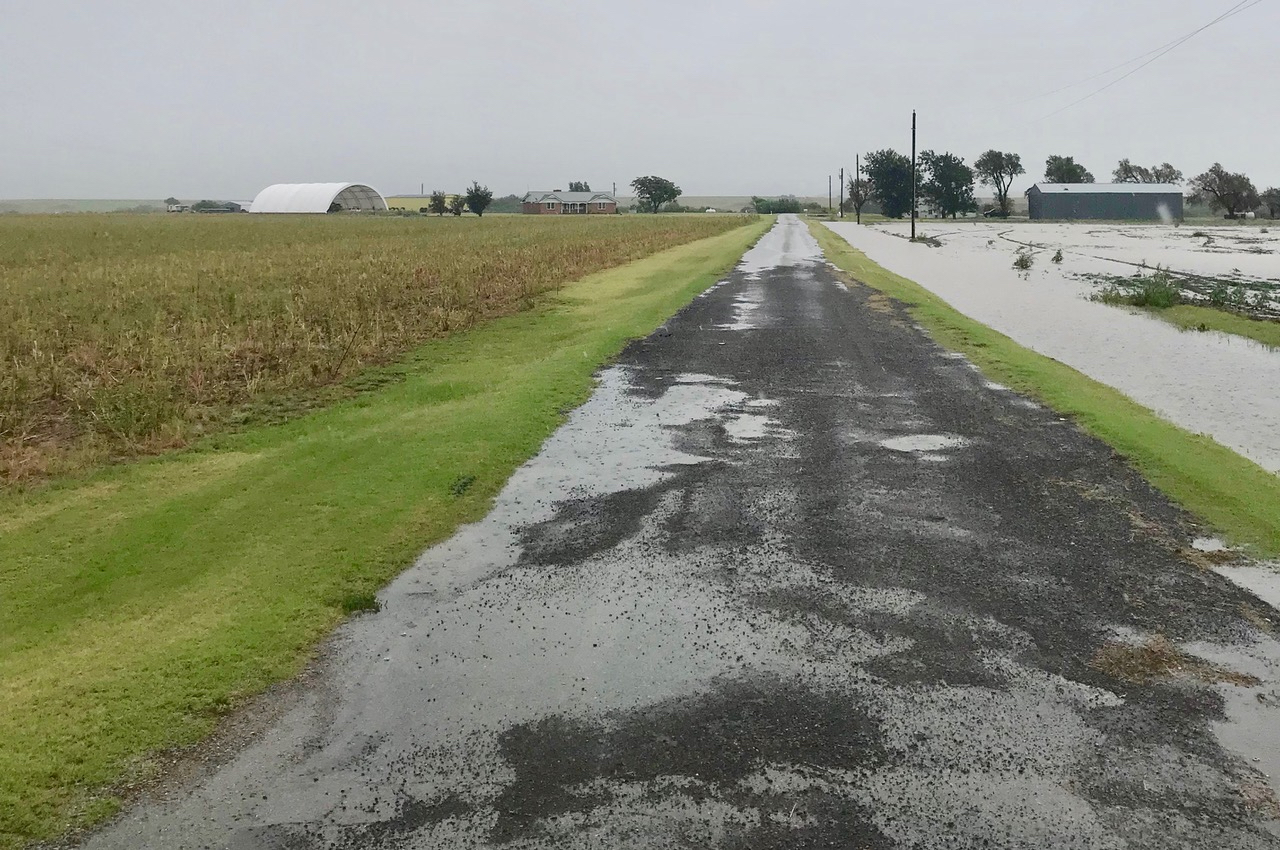
The increased rainfall infiltration and better soil structure in a cover-cropped no-till system allow soils to drain and provide an improved surface for field operations. If a picture is worth a thousand words, the photo below tells a powerful story of how cover crops and no-till can really help with planting in a wet spring. Conventionally tilled soils, especially in flat fields, are more likely to seal shut during the rain and end up with standing water. The lack of soil structure makes it impossible to drive a tractor across these fields until the surface dries out, and even then, subsurface moisture may lead to tractors becoming stuck. Good soil structure with living roots allows field operations to resume more quickly in many situations after a big rainfall event, not unlike walking across sod is easier than walking across bare soil after a big rain.
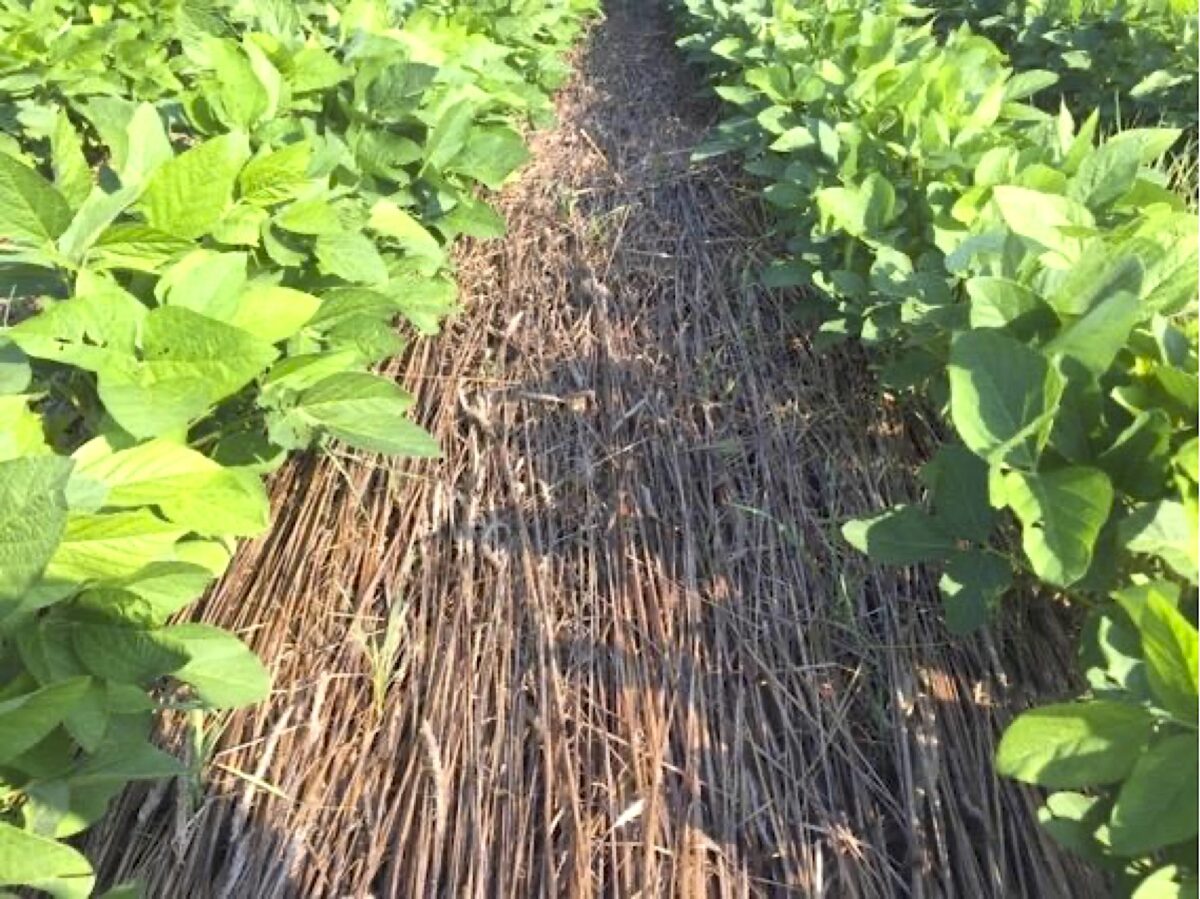
A cover-cropped no-till field can provide a beneficial residue layer in the first half of the summer that will keep your soil from getting baked by the sun. Most soil microbes fare best in moderate soil temperatures, and crop roots are less stressed under residue than in overheated bare soil. The residue also helps reduce soil erosion and runoff of soil nutrients until the summer crop canopies over. Most of the cover crop residue will decompose on healthy soils as the summer proceeds due to the action of soil microbes and earthworms, but that decomposition process with residue and cover crop roots provides another benefit by contributing to your soil organic matter.
Switching from conventional tillage to no-till can also have a significant impact on weed control and management. In the past, many herbicides required some form of light tillage incorporation to take full effect. This is no longer the case with many of the currently used herbicides, including glyphosate. Avoiding disturbance of the soil can reduce germination of many weed seeds, while having a heavy residue layer will further reduce germination of weeds that need exposure to light to germinate. A counterpoint to no-till weed control is that certain perennial weeds that can be killed by tillage may be more likely to occur in some no-till fields. However, the overall weed control benefits of no-till combined with cover crops are substantial and another reason to consider using these practices in combination. Cover crops combined with no-till provide further weed suppression benefits compared to no-till alone. This is due to early shading of weeds provided by cover crops and the additional residue layer. Additionally, if cereal rye is the cover crop, its allelopathic effects can reduce growth of small-seeded annual broadleaves.
Strip-till
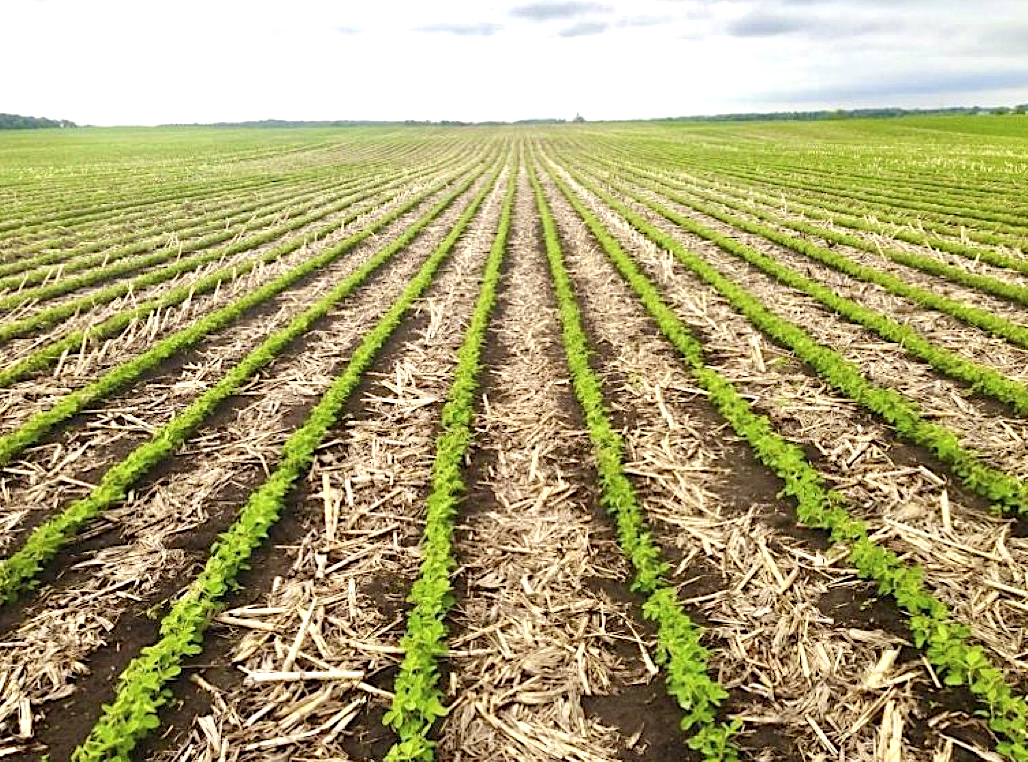
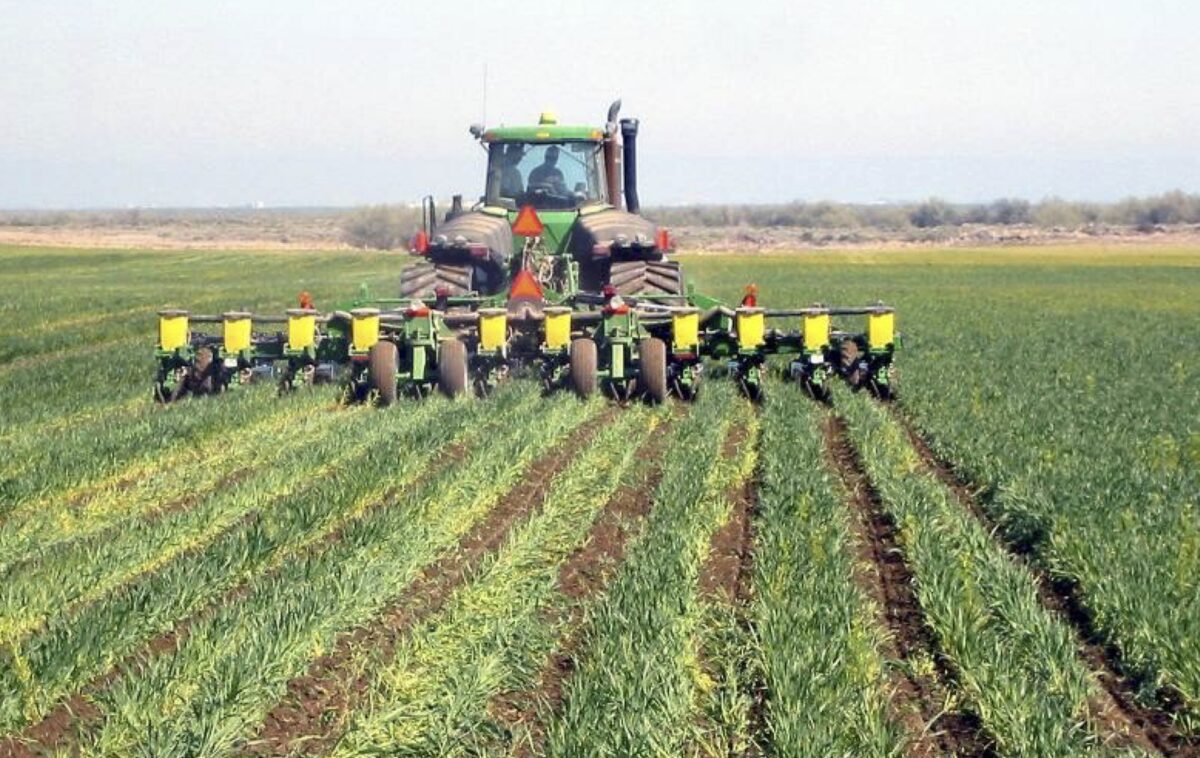
For farmers who hesitate to convert to a full no-till system, the most widely accepted alternative is strip-till. In some states, there are thousands of farmers employing the strip-till system. Equipment manufacturers have come up with a variety of strip-till equipment. The basic concept is that soil disturbance is minimized by doing only shallow tillage in a narrow strip where the cash crop seed will be planted, particularly corn or soybeans. Farmers using this system hope to create a warmer seedbed in the tilled strip. The narrow zone of tillage also allows for some incorporation of fertilizer. Tilled strips are typically 6-12 inches wide. Most often, the tillage strips are prepared after harvest in the fall, so that the soil can be warmed and ready for planting in the spring. However, if wet fall weather or other factors prevent fall tilling of strips, they can be tilled in the spring.
With the advent of autosteer and precision tractor guidance systems, planting in the same precise strips each year allows the interrow areas to remain in a continuous no-till state. This is conducive to the formation of desirable macropores and soil structure in the interrow areas, which enhances overall rooting and rainfall infiltration.
For farmers trying to decide whether no-till or strip-till can work for them, my advice is to visit with other farmers in your area who are experienced with these systems to see what is working well for them. You will generally find that most of these practitioners are more than willing to share what they have learned and help ease your transition to improved soil health management.
Buffer strips
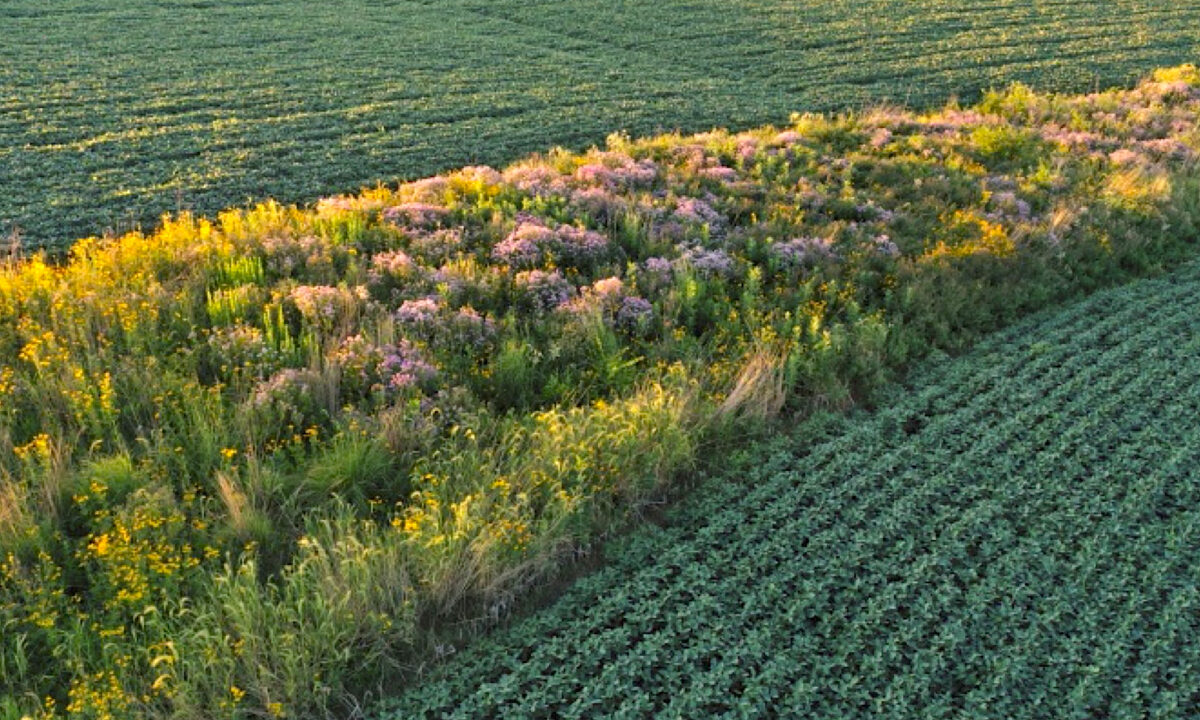
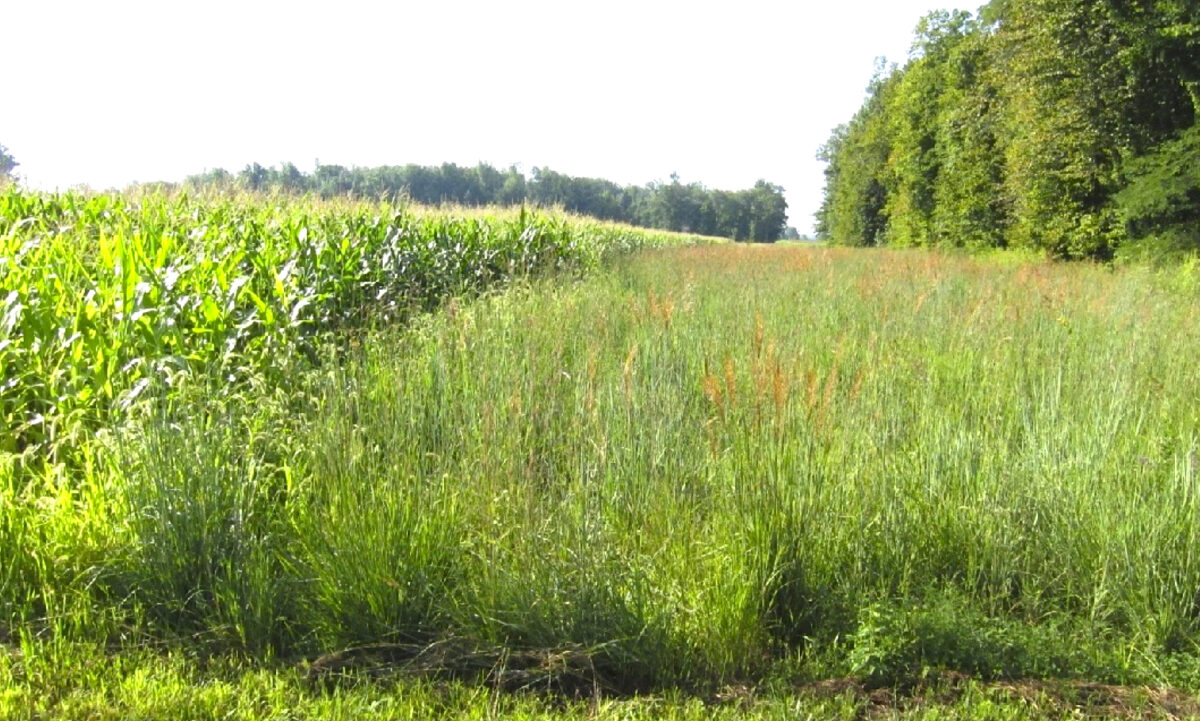
Along with cover crops, one of the newer emphasis areas in conservation circles is planting buffer strips either on field edges or along contours across a sloping field. While the practice has been around for decades, an increased understanding of how such strips can help with pollinators, beneficial insects, songbirds, and other wildlife has stimulated their use. The benefits extend further, to erosion control and reducing runoff of fertilizers and pesticides from fields. Iowa State University ag scientists have done in-depth studies using prairie strips planted on the contour of sloping corn and soybean fields. They found that planting 10% of the field to prairie strips could reduce soil loss by 95%, runoff of phosphorus by 90%, and runoff of nitrogen by 85%. Diversified buffer strip plantings can be done on top of terraces or as an alternative to terracing a sloping field. On level or nearly-level fields, such plantings can be used along field borders, waterways, or drainage ditches. Buffer strips can also be done as riparian plantings along creeks and ponds.
Buffer strips are most often perennial herbaceous plants, ideally including a mix of native stiff-stemmed prairie grasses with broadleaf plants (forbs). The grasses play an anchoring role to stop erosion and the stiff stems reduce the speed of water running over the soil surface, filtering out some sediments, fertilizers, and pesticides. The forbs provide food and habitat for pollinators and other beneficial insects. The strips provide food sources and cover for wildlife. In riparian buffers, woody plants are often introduced into the mix – either native shrubs if in a narrow corridor or native trees where a wider planting can be made.
While most farmers and landowners can understand the potential value of such buffer strips, the challenge of planting them and the prospect of taking land out of production remain disincentives. Some government incentive programs can help with the costs, such as the USDA Conservation Reserve Program (CRP), which now allows long-term payments for setting aside such strips instead of taking whole fields out of production. A way to actually generate income from buffer strips is to plant cover crops in between the strips and then graze the entire area (though young trees and shrubs planted in riparian areas may need to be fenced off). While it wouldn’t be economical to graze just a narrow strip, by having living vegetation that can be grazed in late fall or early spring over the entire field, the whole system becomes much more practical.
For those concerned about how to manage spraying herbicide around buffer strips, I have found that most ag retailers can “map” the field to avoid spraying the perennial vegetation in the buffers, turning off individual spray nozzles as spray booms swing near or over them. This makes it easier than ever before to manage a field with buffer strips. Likewise, modern planters can be set up for precision planting around such strips.
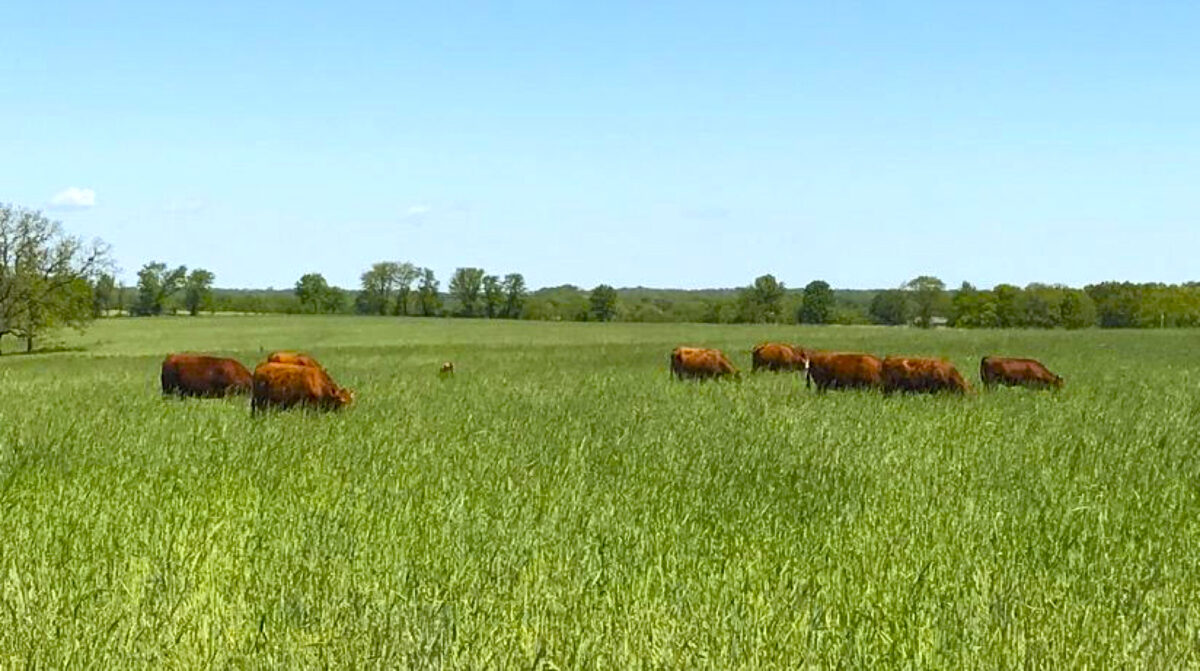
It is becoming widely recognized that one of the most profitable ways to use cover crops is to graze them. Most cover crop species are well-suited as forages and nearly all cover crop incentive programs now allow cover crops to be grazed, though some programs have certain restrictions on haying (cover crop haying may be allowed depending on date of haying and the specific incentive program). Alan Weber, an ag economist who grazes cover crops on a family farm with his father, did a detailed assessment of cover crop grazing economics and determined that a typical economic return would be a net profit of $49 per acre (2019 prices), assuming that the farmer already had access to portable electric fencing and water. Other groups, such as Practical Farmers of Iowa, have conducted case studies of individual farmers practicing cover crop grazing and found similar positive returns.
Common concerns about cover crop grazing involve hoof damage to crop fields and lack of fencing or water. Many farmers who graze cover crops are using single-strand electric fencing and portable water tanks, moving the cattle regularly between paddocks to maximize grazing benefit and reduce any potential hoof damage. In fact, I’ve heard a number of cover crop grazers say that they’ve been surprised by how the cover crop grazing system seems to make the ground more mellow over time (in this case, the mellower soil refers to being easier to plant into with better soil tilth). They also comment on the improved calf health when calves are born on green cover crop fields as opposed to dry lots.
Cover crop species used for grazing vary widely, but cereal grains such as cereal rye, winter wheat, triticale, and oats are the most common species grazed. A legume is often added to the cereals. Other farmers graze turnips (which typically winterkill) or rapeseed (which may overwinter in the southern half of the Corn Belt). Cover crop mixtures, either for summer and fall grazing after wheat harvest or as an overwintering mix, can be an effective way to meet grazing animals’ nutritional needs while improving soil health.
Particularly beneficial to soil health are the manure, urine, and saliva from grazing animals, which stimulate the soil biology. Since soil microbes evolved with grazing animals, whether in prairie with buffalo or forests with deer and other herbivores, it’s no surprise that recreating a more diversified system of crops and livestock should benefit soil biology. While more research on the full impacts of grazing livestock on soil health is needed, it appears that grazing cover crops is one of the fastest ways to boost soil health in many crop field situations.
For farmers who don’t have their own livestock, it may be possible to rent out a cover-cropped field to a neighbor who will bring in portable electric fencing and portable water tanks. Creating a written agreement prior to the grazing is a good idea, including how the animals will be handled, when they will be removed, and any extra charges for delays in removing the livestock. The forage value of cover crops often exceeds that of perennial grass pasture, so rental rates should reflect the high value of the cover crop forage.
Diversifying crop rotations
While cover crops provide a key way to diversify a cropping system that normally has just one or two crops, it can also pay to add one or more additional cash crops to a rotation in order to reduce pest pressures, improve soil health, and diversify for varying weather and market conditions. Depending on the crop(s) selected, this diversification may also spread out labor demand, with different planting and/or harvesting periods.
A particularly common approach for corn and soybean farmers seeking to improve soil health is to add a small grain such as wheat or oats back into the rotation. Not only does such diversification provide modest yield gains for the corn and soybeans, it can also lower input costs. In some areas, addition of cereals may also improve cover cropping opportunities, because the earlier harvest date of the small grain allows more time to establish a cover crop. For example, if winter wheat is planted after soybean harvest, the following summer a diverse cover crop cocktail mix of 8-12 species can be seeded right after wheat harvest. These cover crop cocktails can produce a large amount of biomass and significantly improve the soil before planting corn the following spring. To outline how that three-year cycle could work (repeated starting in year four):
- Year one: plant corn, followed by a cereal rye cover crop in the fall
- Year two: plant soybeans into the rye, then plant winter wheat after harvest
- Year three: harvest the winter wheat, then plant a diverse cover crop cocktail in July
- Year four: back to corn, then use a cereal rye cover crop again after corn harvest
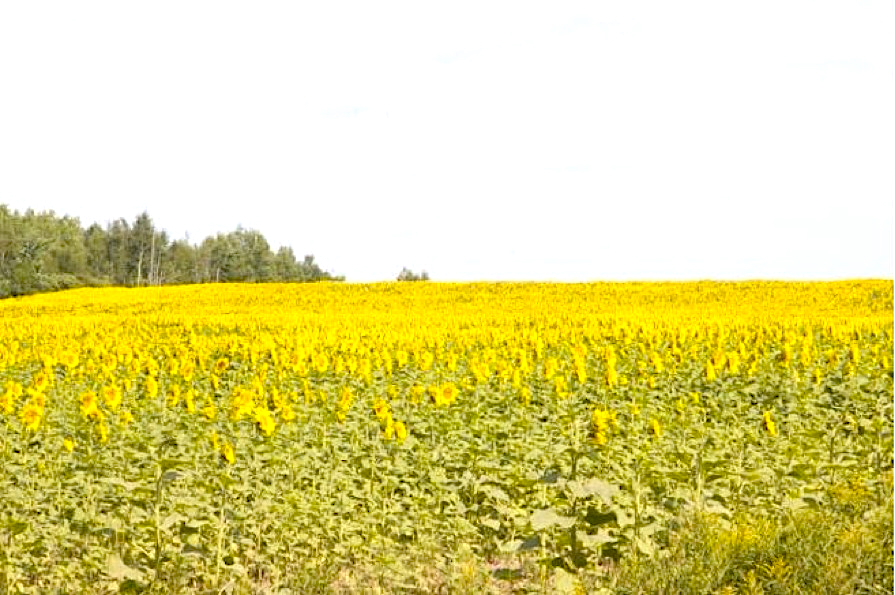
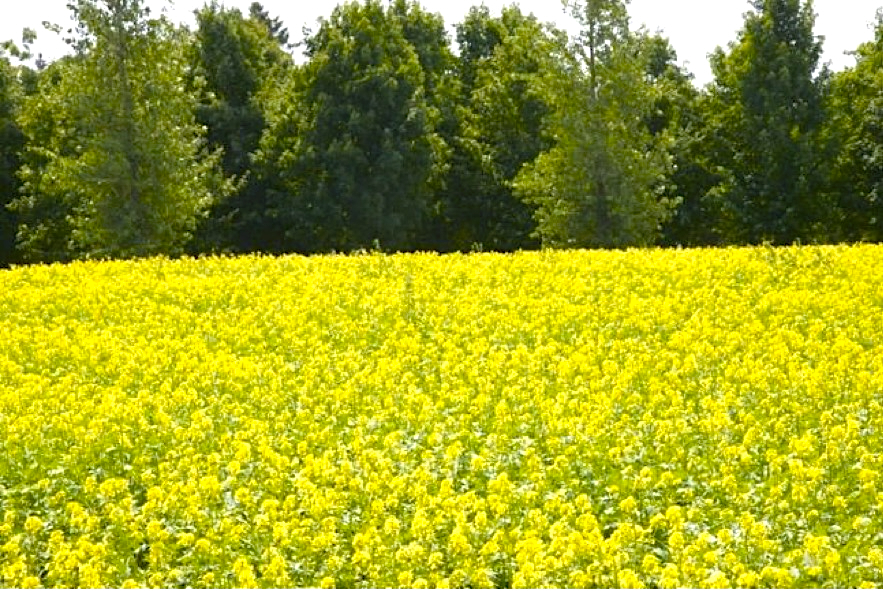
Ideally, the diverse cover crop cocktail planted after wheat harvest contains a mix of warm season plants and cool season plants. The warm season cover crops, such as sorghum-sudangrass, pearl millet, foxtail millet, sunflower, sunn hemp, cowpeas, and buckwheat, will predominate in the summer months and provide opportunity for late summer or early fall grazing. The cool season cover crops, if rainfall is adequate, will establish but stay small until fall, then take off in cool weather, continuing to grow past frost (some will overwinter); the warm season cover crops will die at the first fall frost. Cool season cover crops that can be blended into the cocktail include radishes and/or turnips, rapeseed, oats or a winter cereal, and one or more of the cool season legumes (crimson or red clover, hairy vetch, Austrian winter peas, etc.).
Diversification of crops makes a lot of agronomic sense and provides soil benefits, but marketing must be kept in mind. Distance to market can be a barrier to profitably using many alternative crops. It may be useful, instead of selling the crop to a distant contractor, to look at using the crop for livestock or other local uses (such as sunflower for birdseed sales). Local sales can also lower fuel costs by avoiding transporting harvested grain a long distance.
Another diversification option is to harvest selected cover crops for the seed market. However, be sure to research what grows well for seed production in your area. Some cover crops, like cereal rye, can be grown for seed in many regions. Others, such as some of the legumes and Brassicas, are better grown for seed production in the Pacific Northwest. If producing seed for your own use, be sure to clean the seed before storing and test for germination quality. If selling to other farmers, cleaning and germination testing is even more important. Be alert to any seed laws pertaining to seed sales in your state and be aware that selling seed across state lines is a more complicated process that can involve testing and certification (check with your state department of agriculture on state seed rules).