Selecting cover crop species and mixes
There are dozens of species of plants currently marketed as cover crops in the U.S., and many more species that have potential for future use as covers. This chapter provides brief descriptions of 44 different species of cover crops, all of which I’ve grown and each of which have their own unique benefits. I personally believe there are some underutilized cover crops that will get more attention in the future as more testing is done and new varieties become more widely available.
Tips for starting simple with choosing a cover crop
The sheer number of cover crop species being sold can be a bit overwhelming if you are new to cover crops. In many situations, a good starting point is to fall-plant cereal rye in front of soybeans or cotton. If the commodity crop being grown is corn, cereal rye is not as good of a choice for first-time users, though it can work with appropriate management. In front of corn, I’d instead suggest a fall-planted mix of oats and radishes for easiest management. In the southern Corn Belt, an alternative that provides more soil protection and a little nitrogen fixation is to use oats with crimson clover; in the northern Corn Belt, I’d substitute hairy vetch or red clover instead or crimson clover, since they are more winter-hardy. In western regions where moisture is limited and small grains are grown, peas are often a good cover crop choice.
The regional cover crop councils have online cover crop selection resources, including fact sheets and cover crop selection tools, that you can use to help pinpoint a choice suitable for specific crops and locations. The Midwest Cover Crop Council has developed “cover crop recipes” that provide a short summary of how to get started with simple cover crop choices for each state in the Midwest. Talking with a nearby farmer experienced with using cover crops can also help zero in on a good starting choice, as can working with a knowledgeable cover crop seed company representative.
Tips for using cover crop mixes
Before getting into details on the individual cover crop species, I want to address the increasing use of cover crop mixes. While traditional commodity crop planting is done with a single cash crop in each field, cover crops offer the opportunity to mix things up. Of the farmers responding to the National Cover Crop Survey, about half started out using single species of cover crops and later added some mixes, while the other half used mixes on some fields right away. Where farmers were using mixes, about equal numbers were using a mix with two species, three species, four to five species, or six plus species. For beginning cover crop users, I think it’s appropriate to consider using two or three species in a mix in some situations. One of the key advantages of a mix is that it makes establishment more likely overall, since even if one species fails to grow well, the other(s) may still establish.
Since a mix of cover crops provides a greater biodiversity of plants, it also tends to support a wider diversity of soil organisms and a healthier soil ecosystem. Mixes also tend to be better for wildlife and can attract and support beneficial insects and pollinators. Furthermore, a mix of species can help prevent invasion by weeds and lessen pest pressures.
When mixing species, try to pull from different plant families. A mix of rye and wheat–both grasses–is not as effective as a mix of a grass and a legume. Adding a member of the Brassica (mustard) plant family can work well with legumes and grasses. One of the more popular three-way mixes in the southern Corn Belt is cereal rye with crimson clover and radishes. Another factor to consider is whether the goal is to have at least one species or all species in a mix overwinter. For example, some options for fall-planted mixes are:
| Family | Fall growth only (winter-kill) | Overwintering species |
|---|---|---|
| Grass family | Oats | Cereal rye |
| Brassica family | Radishes | Rapeseed |
| Legume family | Berseem clover | Crimson clover |
*Berseem clover can overwinter in regions with mild climates like the Gulf Coast or West Coast, and crimson clover can overwinter in the southern Corn Belt but not northern states. For northern states, more winter-hardy legume options include hairy vetch and red clover. Varieties can be important, too. “Frosty” berseem clover is somewhat more winter hardy than other berseem types and can overwinter as far north as Tennessee. “Fixation” is a new variety of balansa clover that seems to have moderate winter hardiness (both Frosty and Fixation are trademarked varieties of GO Seed).
For erosion control and to keep living roots in the soil for as much of the year as possible, it is ideal to have at least one cover crop species in a mix that will overwinter to protect and improve the soil through spring planting.
More complex cover crop mixes tend to be used where the option exists to plant them mid-summer, such as after winter wheat harvest or harvest of an early vegetable crop. In these situations, some farmers have been planting mixes of 8-15 species, often referred to as cover crop “cocktails.” Cover crop cocktails are planted in early or mid-summer, and usually consist primarily of warm-season covers. Often, some cool-season cover crop species are added in. The cool-season covers don’t thrive in the middle of the summer but will tend to grow a little under their taller heat-loving summer companions. Then, when fall comes, the cool-season covers’ growth takes off (if they’ve survived to that point).
Warm-season cover crop species such as cowpeas, sunn hemp, buckwheat, millets, and sorghum-sudangrass tolerate heat and grow fast in the summer months but are usually killed by light frosts. Cool-season plants like wheat, canola, or crimson clover don’t like heat and grow best in cool weather, with the ability to tolerate sub-freezing temperatures several degrees colder than warm-season cover crops. Some cool-season plants overwinter (like cereal rye), and others die once it gets cold enough (like oats and radishes). The table below contains examples of both warm-season and cool-season cover crops.
Examples of cover crops that are suited more for warm or cool weather
| Family | Warm-season covers | Cool-season covers |
|---|---|---|
| Grass family | Sorghum-sudangrass | Cereal rye |
| Sudangrass | Triticale | |
| Pearl millet | Wheat | |
| Foxtail millet | Barley | |
| Japanese millet | Oats | |
| Other millets | Annual ryegrass | |
| Brassica family | None | Radishes |
| Turnips | ||
| Rapeseed (or canola) | ||
| Camelina | ||
| Pennycress | ||
| Mustards | ||
| Mid-fall (ideally at least two weeks before average frost) | Cowpeas | Clovers |
| Sunn hemp | Vetches | |
| Mung beans | Austrian winter peas | |
| Adzuki beans | Faba beans | |
| Pigeon peas | Chickpeas | |
| Lablab beans | Lentils | |
| Other broadleaf covers | Buckwheat | Flax |
| Sunflowers |
When using a mix, keep in mind that seeding rates need to be cut back accordingly. A Nebraska farmer-owned seed company called Green Cover has a very helpful online tool to plan cover crop mixes, including seeding rates. It’s called the “SmartMix Calculator,” and can be used for free on their company website, www.greencoverseed.com.
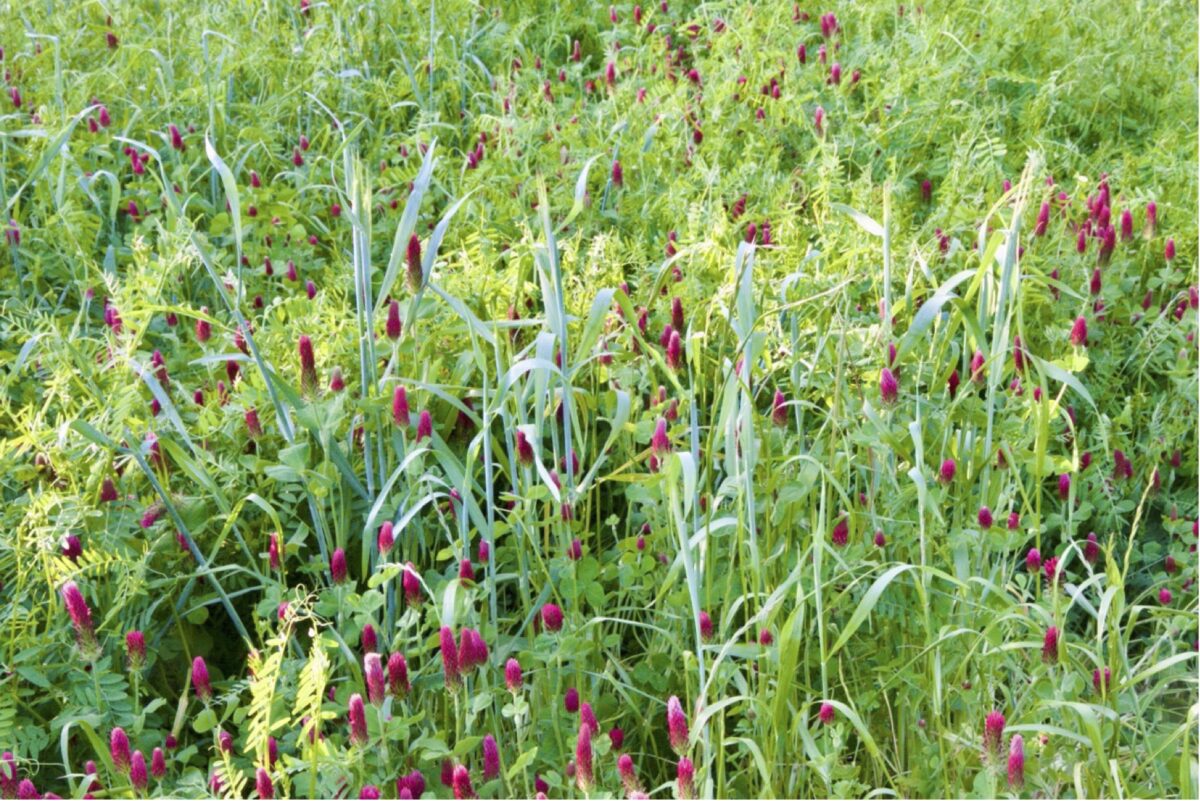
Some mixes can be purchased pre-formulated, or you may be able to get a seed company or ag retailer to make a custom blend for you. Some farmers mix the seed after they receive it. As long as you have a variety of seed shapes in your mix, the seed will probably avoid segregating when moved around; however, mixes of two to three species that are all rounded seeds are more likely to have a segregation problem where the smaller seeds go to the top or bottom of the container, depending on relative densities of the various seeds. In such a case, be prepared to check the seed right before planting and use a stick or other implement to stir the seed and remix it. Or, if using a drill, two different seed boxes can be used to keep the seed separated and meter it at the appropriate rate for a two-way mix.
Brief summaries of individual cover crop species
As was mentioned in the previous chapter, there are many cover crop species to choose from, although some are much more readily available than others. What is still lacking is much diversity in variety choices. For some of the less common cover crop species, there are literally no choices available in varieties, so you just have to buy the “common” seed of the species. Even for some of the most common cover crops, like crimson clover, there are only a few varieties that have been released. This has led to a situation where most of the cover crops being sold are sold as “Variety Not Stated” or VNS seed.
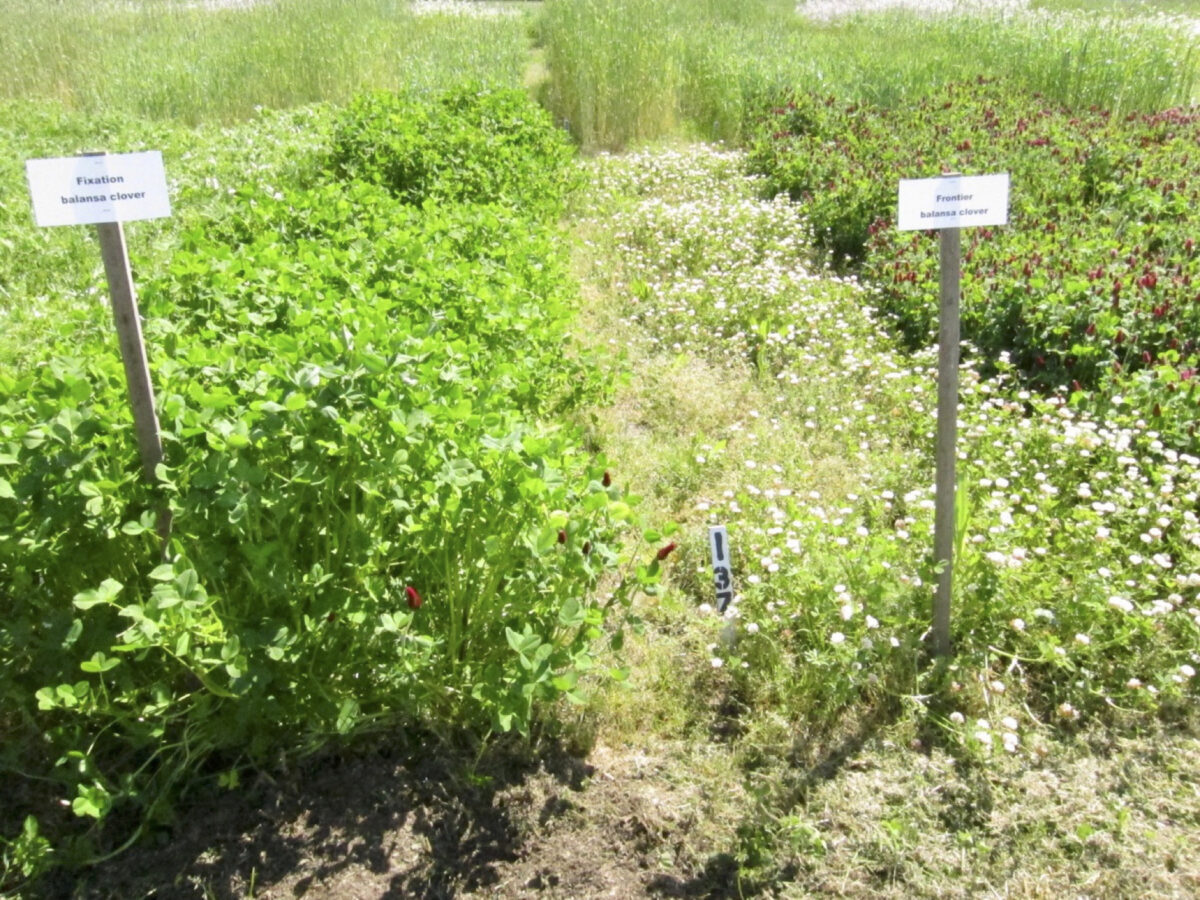
If named varieties are available for the cover crop species you are interested in, see if there’s one that suits your needs. Often the named varieties will outperform VNS seed or, at the very least, allow you to better identify seed material with the traits you want. An example of how variety can make a big difference is illustrated in the photo of two varieties of balansa clover above–one with early flowering that achieved little spring growth and one with delayed flowering, vigorous growth, and overall superior performance for biomass and nitrogen fixation. (Visit www.sare.org/cover-crops for more information on species selection, including links to selection tools offered by the four regional cover crop councils.)
Legume cover crops
Legumes are popular cover crops because of their ability to fix nitrogen and general contributions to soil health. There are some legumes like crimson clover and balansa clover that, as winter annuals, are best suited to cool weather conditions of fall and spring. There are other legumes like cowpeas and sunn hemp that grow best in the heat of summer. Below, I’ve broken down both legumes and other cover crop types into the cool-season options and warm-season options. When using legumes as cover crops, remember to add an inoculant designed for that particular legume to the seed in order to ensure that it will fix nitrogen. While legumes are well worth considering for use as cover crops, be aware that seed costs can be somewhat higher than for grasses or Brassicas, so in a mix, keep the seeding rate of the legumes appropriate to the goals you have for that cover crop system. For example, for grazing, a higher rate of legumes may be worth the extra seed cost, but if the goal is simply to increase biodiversity in a mix, a lower rate may be more appropriate.
Cool-season legumes
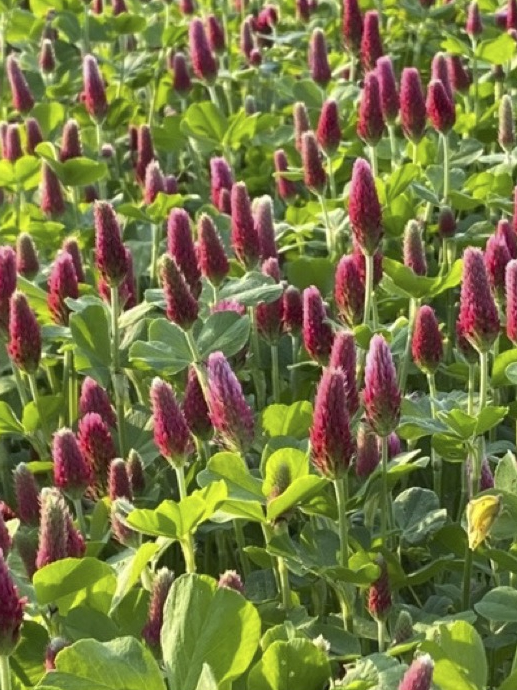
Crimson clover. This is the most common legume cover crop used in the U.S., but its mediocre winter-hardiness means it is limited to areas with milder winters if it’s intended for fall planting and overwintering. In the Midwest, crimson clover (Trifolium incarnatum) can generally be used south of Interstate 70. In the west, it can be used in milder areas of the Pacific Northwest. In addition to having mediocre winter hardiness, its other primary limitation is that it doesn’t like wet soils during the winter; there are better choices for poorly drained fields. On the plus side, crimson clover is fast-establishing, generally easy to grow, and beautiful in bloom. Dixie is the most widely sold crimson clover variety but is considered to be a mix of material that may not be entirely true to type. Kentucky Pride is a recent variety developed by the University of Kentucky that is believed to be more winter-hardy than Dixie, with later flowering and reports of better nitrogen fixation. I expect that additional varieties will come on the market in the next decade.
Like most of the legumes, it can take more than glyphosate to kill crimson clover; usually, adding 2,4-D or other broadleaf product is needed for effective herbicide termination. Otherwise, it can be roller crimped or mowed after flowering to terminate. Of all the cool-season legumes, for my area (Missouri), crimson clover is the one I like best if I want to plant just a single legume in the fall by itself. It provides a decent ground cover in the fall and gets off to a relatively fast start in the spring.
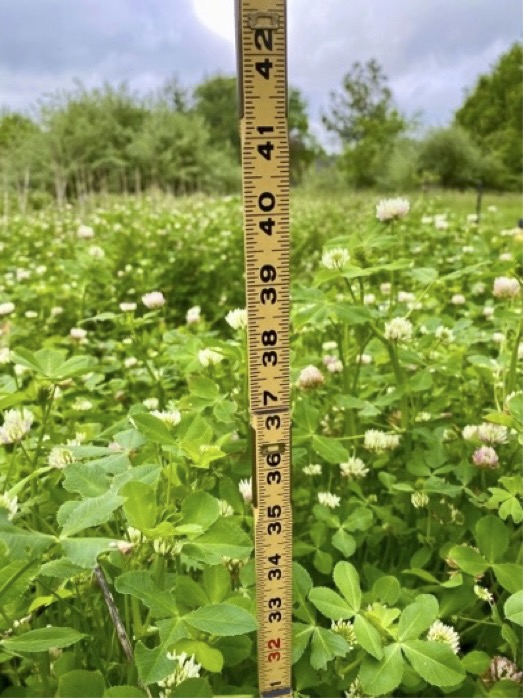
Balansa clover. The “Fixation” variety of balansa clover (Trifolium michelianum) is a relatively new entrant into the cover crop market from GO Seed, and early testing indicates that it may be somewhat more winter-hardy than crimson clover. I’ve found it to be a little less vigorous in the fall and early spring than crimson clover, but once it gets going in mid-spring, it puts on very impressive growth. I’ve had it grow up to 40 inches tall. Considered bloat-resistant, it can be a good option for spring grazing and, like crimson clover, it is a good option in cover crop mixes.
Red clover. In more northern states, red clover (Trifolium pratense) is usually the best option for those wanting a clover that can overwinter. It’s a tough winter perennial with a long history of use in pasture mixes. Another advantage is its ready availability through most seed dealers due to its popularity for forage use. However, it’s not as fast-growing as crimson clover, reflecting its perennial nature. The slower establishment and growth of red clover explains why crimson clover is the preferred choice over red clover as a clover cover crop in southern states.
Yellow sweet clover. Though much less common than it used to be for cover crop use, yellow sweet clover (Melilotus officinalis) is worth mentioning as an option for those who want a biennial type of growth habit. On the central Illinois farm where I grew up, my dad used yellow sweet clover for many years, overseeding it into winter wheat as a frost seeding in early March, then allowing it to grow after wheat harvest until the following spring, when he would plow it in as a green manure crop. Used in this fashion, yellow sweet clover can fix a large amount of nitrogen. This plant is now frowned upon by conservation officials in some states because of its ability to survive and reproduce in roadside ditches and other perennial settings. I’ve seen it growing wild along miles of roadways in Nebraska, but only occasionally in Missouri and other parts of the Midwest; it’s certainly not as aggressive as some non-native plants. Still, review whether it’s an invasive concern for your area before planting. There is also a white-flowering sweet clover which is less common in the cover crop market, and despite the similar common name is actually a different species of plant (Melilotus alba).
Other clovers. There are a number of other clovers sold in the cover crop trade but most are either used in targeted situations or as parts of diverse multi-way cover crop blends with 10 or more species. Of the other clovers, the newest one on the market is Persian clover (Trifolium resupinatum), which has some promise but only mild winter hardiness. White clover (Trifolium repens), also called ladino clover, is commonly seen in lawns and is sometimes used in cover crop mixes or as a sole cover crop for planting in row areas between vegetables or fruit crops. Berseem clover (Trifolium alexandrinum) is perhaps the next most common clover used in cover crop mixes, but like Persian is best suited to southern areas due to lack of winter hardiness.
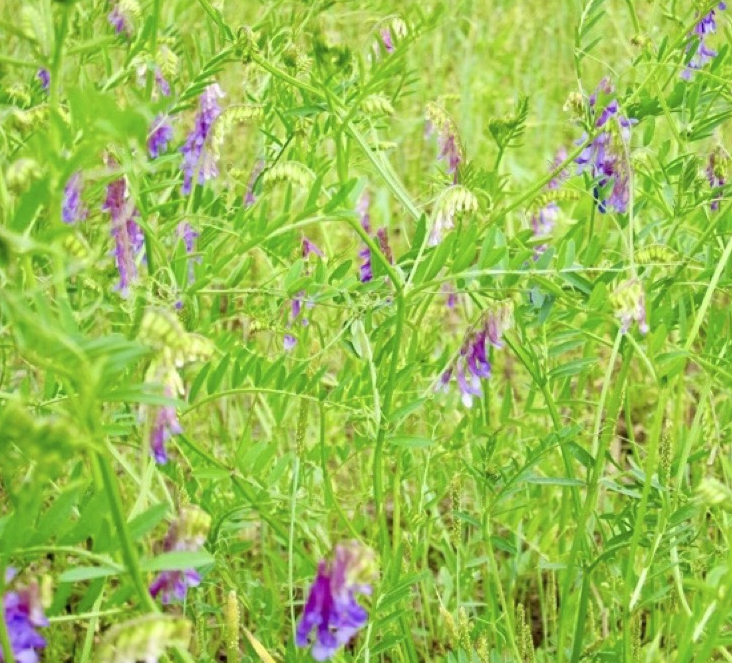
Hairy vetch. For more northern areas, hairy vetch (Vicia villosa) is usually the best choice of cool-season legume because of its superior winter hardiness compared to crimson clover and Austrian winter pea. This contributes to it being the second-most popular legume cover crop in the U.S. It can be a prolific nitrogen fixer if allowed to grow long enough and can be effective at smothering weeds, either planted alone or as part of a mix. One weakness is its lack of fall biomass, so I usually recommend it be planted with a grass cover crop–either oats or cereal rye. For people growing wheat for grain, it’s best to avoid using hairy vetch in the rotation, because the hairy vetch may become a weed in the wheat crop and is difficult to separate from harvested wheat seed during the combining process.
Other vetches. Common vetch (Vicia sativa) is a different species of vetch sometimes sold for cover crop mixes, though hairy vetch is usually preferred due to its more vigorous growth and better winter hardiness. Crown vetch (Securigera varia) has been used as part of perennial mixes for roadside plantings, but it is considered invasive in some areas. It is a different genus and species of plant from hairy vetch. Another very different plant loosely grouped with vetches is chickling vetch (Lathyrus sativus), also known as Indian pea. It is sometimes sold as a cover crop and has respectable nitrogen fixation potential.
Austrian winter pea. The two biggest benefits of Austrian winter peas (Pisum sativum var. arvense) in my mind are their high potential for nitrogen fixation and easy termination. They have intermediate winter hardiness–somewhat better than crimson clover, but not as good as hairy vetch or red clover. However, their survival through winter depends on planting them properly and at that right time of the fall for a given area. Paul Jasa from University of Nebraska has found that, for his area, planting them at least two inches deep or more can improve their winter survival. That may not be feasible on all soils, but it is worth testing for your area. In Missouri, if planted by early September, they can put on impressive fall growth; if planted in October, on the other hand, they don’t grow much at all until spring rolls around. Like hairy vetch, I prefer to plant Austrian winter peas in a mix instead of as a sole species.
Faba bean. The next few cool-season legumes mentioned—faba (or fava) bean (Vicia faba), chickpea, and lentil—are all Mediterranean crops that are normally fall-planted in that region and grown for seed harvest. In the northern two-thirds of the U.S., however, these three species will winter-kill, so they are best used as part of a diverse mix of cover crops planted in mid-to-late summer, or even as part of a spring mix. Faba beans can grow well in cool weather, but they have a large seed that is not well-suited to broadcast seeding and is somewhat more expensive and difficult to find than other legumes mentioned here.
Chickpea. Chickpeas (Cicer arietinum) and lentils are often mentioned together and are grown for seed harvest as spring crops in the Pacific Northwest. Like faba beans, they are best used as part of diverse mixes of cover crops planted in mid-to-late summer or as part of a spring mix. Chickpeas could be used as a winter cover crop in southern parts of the U.S., such as plant hardiness Zone 9 or warmer areas.
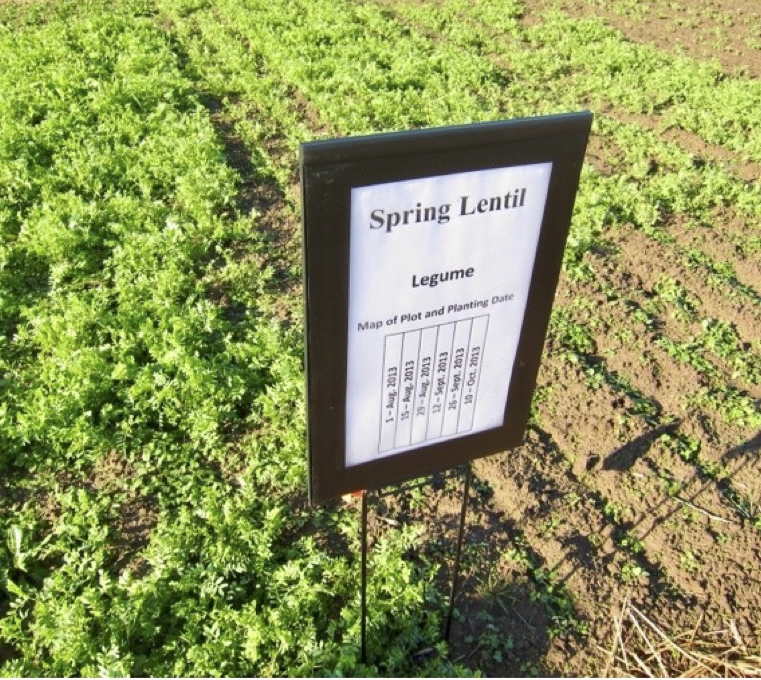
Lentil. Lentils (Lens culinaris) are another cool-season legume best used as part of diverse mixes of cover crops planted in mid-to-late summer or as part of a spring mix. Lentils are somewhat more winter-hardy than chickpeas or faba beans, reportedly able to tolerate down to the low single digits, so they could be used as a winter cover crop (again in mixes) in the southern part of the U.S., possibly Zone 7 or warmer areas.
Warm-season legumes
Cowpea. The most popular warm-season legume is cowpeas (Vigna unguiculata). The first thing to know about cowpeas as a cover crop is that varieties can be grouped into two types. The type best for cover cropping is the indeterminate (viney) type of cowpea; iron clay cowpeas are a viney type that is often sold for cover crop use or wildlife plantings. There are also determinate (bush) type cowpeas that can be used for cover cropping but are more normally used for seed harvest. Cowpeas are good nitrogen fixers and are tolerant of dry conditions. They might occasionally be used as the sole summer cover crop, such as after an early-season vegetable, but they are more often used in row crop systems as part of a diverse summer mix of cover crops.
Mung bean. Part of the same genus of plants as cowpeas, mung beans (Vigna mungo) can be used as a substitute for cowpeas or in a mix with cowpeas and other summer cover crops. They are bush type and therefore have a more upright growth habit than viney cowpeas, but they are shorter and less vigorous than soybeans. They are tolerant of dry conditions and light-textured soils.
Adzuki bean. Adzukis (Vigna angularis) are also part of the same genus of plants as cowpeas and are fairly similar to mung beans in their niche for cover crop use. Somewhat harder to find than mung beans or cowpeas, they are usually more expensive as well, but can add some diversity to a cover crop mix if available. Their vigor and size is similar to mung beans and they have a bushy growth habit.
Sunn hemp. Considered a tropical legume, sunn hemp (Crotalaria juncea) will flower but not actually produce seed in most parts of the U.S., as it needs a longer growing season. In warmer areas, if planted by mid-summer, it can put on an impressive amount of growth, often reaching 6-8 feet tall or more. Research on its ability to fix nitrogen shows it producing an impressive amount of nitrogen, similar to cowpeas. It also has good forage potential as part of a mix. The most common summer legume cover crop in the U.S. is cowpeas and the second is sunn hemp, and the two can work well together in a diverse summer mix with warm-season grasses and other species. By the way, sunn hemp is not related to industrial hemp (Cannabis sativa).
Pigeon pea. Another tropical legume, pigeon pea (Cajanus cajan) has seldom been grown as a seed crop in the U.S., but it has garnered some interest in southern areas as a cover crop in mixes. I was impressed by the vigor of a couple of pigeon pea cultivars I field tested twenty years ago, but they were different from what’s on the market today, so I’m not sure how they compare. This is another cover crop that can be tough to find but is worth having if offered in a mix.
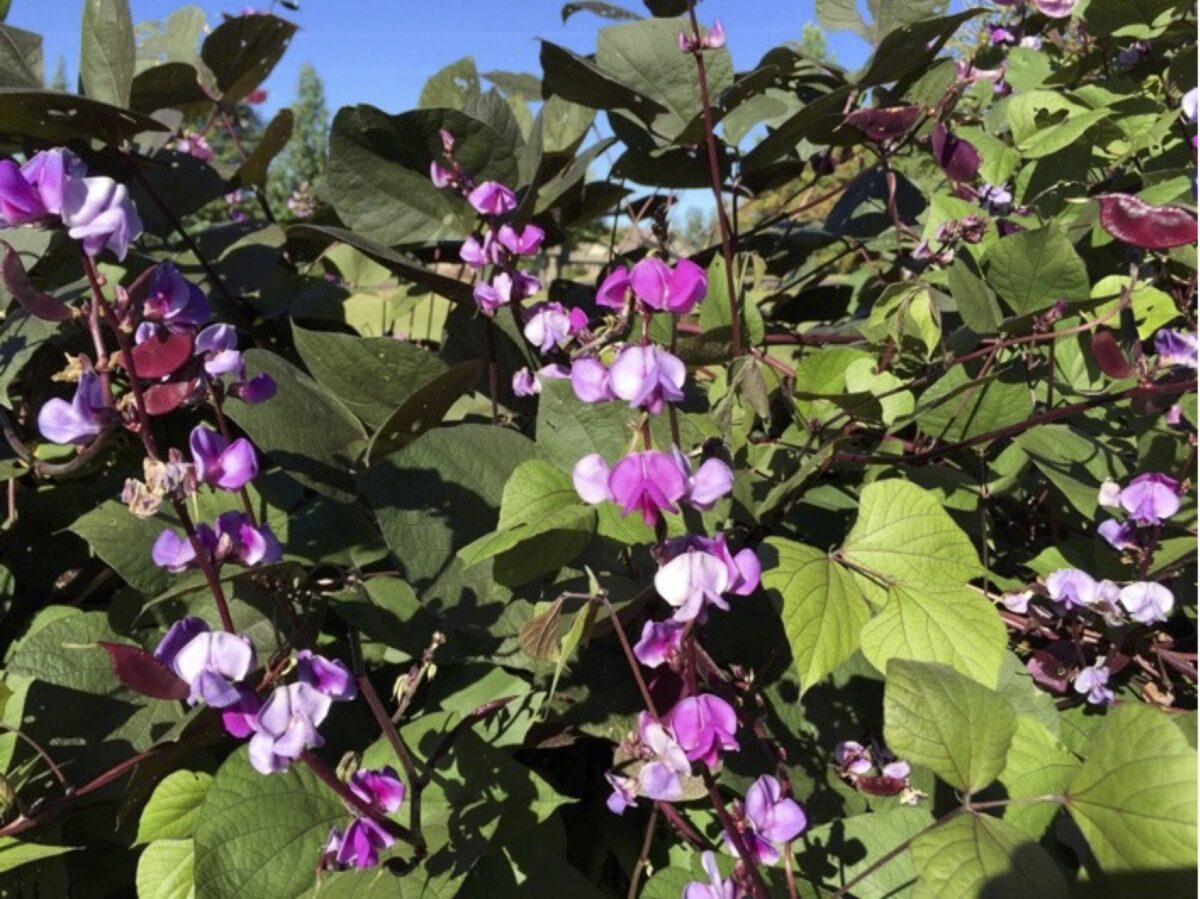
Lablab bean. I’ve grown lablab beans (Lablab purpureus), also known as hyacinth bean, in my garden for years as an ornamental plant. They produce colorful purple flowers as they climb on my garden fence and then showy purple seed pods in late fall. They are also a tropical legume and take a while to establish, but once they start growing they can put on an impressive amount of growth. They are a vining plant that I’ve seen grow 6-7 feet long if they have something to climb on. If grown unsupported, they stay shorter, with the vines growing in all directions. I wouldn’t use lablab beans in cooler areas, but they have potential as part of mixes used in the southern half of the U.S. Seeds are expensive, however, and hard to find in bulk.
Grass cover crops
The most compelling reasons to use one or more grasses in cover crop systems is their fast growth, good rooting, and potential for significant biomass. If a long period of residue cover is desired, grasses such as cereal rye can be used alone and the residue should persist for several weeks. If the goal is to have the residue break down faster, mix the grass cover crops with a legume and/or Brassica to obtain a carbon to nitrogen (C:N) ratio that will allow the soil microbes to decompose the cover crop residue more quickly.
Cool-season grasses
Cereal rye. Sometimes called the “queen of cover crops,” there’s no question that cereal rye (Secale cereale) is the most popular cover crop across a broad swath of the U.S. In the north, it is valued for its extreme winter hardiness and ability to be planted in late fall; in the south, it is valued for its weed-suppression benefits; and it is valued everywhere for its high biomass and low cost. The one area where it is seldom used is in arid parts of the west, where there’s a need for cover crops that use minimal water, like peas. Another situation where rye is discouraged is in rotations that include wheat for grain harvest, because of potential contamination of wheat seed with rye seed.
There are several varieties of cereal rye on the market, and I expect more in the coming years. Much of what is sold is VNS, but buying a named variety is generally preferable to ensure you get a variety suited to your region; there are varieties of rye more suited to the south, and some better for the north. Rye is also the cover crop most commonly grown by farmers for their own use and sold to neighbors. Buying from a neighbor is fine, but make sure the seed has been tested for germination percentage (which should be 85% or above), and that it has been thoroughly cleaned and is free of any weed seed.
Cereal rye can be planted later than any other cover crop in the fall. If planted very late, such as when hard freezes are setting in, the rye may not emerge until spring, which means it will not help prevent winter erosion but can help prevent spring erosion. A caution for first time growers of cereal rye is that it can put on growth very quickly in the spring, so be prepared with a timely termination strategy that fits your crop management system.
Triticale. Some farmers prefer triticale (Triticosecale) over cereal rye for ease of spring management. Triticale is a hybrid of rye and wheat, and has some of the benefits of each; it is more winter-hardy than wheat but has more moderate spring growth than rye. Farmers grazing cover crops may also prefer triticale over rye. Triticale can have slightly better feed quality than rye but usually produces somewhat less total forage than rye.
Wheat. Winter wheat (Triticum aestivum) is used on more cover crop acres than triticale, likely because it is easier to buy and usually cheaper. Winter wheat does need to be planted a little earlier than triticale and up to 10-14 days earlier than the latest rye planting date; it is important to note, however, that it should be planted after the Hessian fly free date for any given area. It is also less winter-hardy than either rye or triticale, but will overwinter in most parts of the U.S. if planted on time in the fall. Wheat is sometimes preferred over rye when used for cover crop grazing, as wheat can have higher feed value; the tradeoff can be less total biomass than rye.
Barley. The best use for barley (Hordeum vulgare) as a cover crop is grazing. It is also sometimes used in more southern areas as an overwintering cereal, and produces less spring biomass to contend with compared to the winter cereals outlined above. This reduced amount of biomass may also be considered a downside in some situations. Moreover, barley is not quite as winter-hardy as other winter cereals, which limits its use to areas with more moderate winters. It is a good species for grazing, similar to other winter cereals, and is preferred by some grazers for fall grazing; wheat and/or triticale are often preferred for spring grazing.
Oats. After cereal rye, oats (Avena sativa) are the most-planted grass cover crop. The big difference from all the grasses listed above is that oats winter-kill in the northern two-thirds of the U.S., which for many farmers is a main reason to use them. The idea is that use of fall-planted oats makes spring cash crop planting easier because there’s less residue to deal with, and potentially nothing to terminate. Personally, I think that oats have a place for new users of cover crops, or sometimes as a grass to use with a brassica and/or a legume in front of corn. I’ve noticed in my own experience that seeding oats at a modest rate, such as 15 pounds per acre, can help a legume like crimson clover or hairy vetch survive the winter. I think this is because the oats help trap snow that protects the legume and reduce the desiccating action of winter winds on the more tender legumes.
The type of oats most often used for fall cover crop planting are spring oats, which are also the most widely available and cheapest type of oats. The next most commonly used type is winter oats, sometimes called “Bob oats.” There are also two types of black oats; black-seeded oats are similar to other winter oats except with darker seed. There’s a black-seeded winter oat, also known as Cosaque oats. There’s also a true black oat that is a different species (Avena strigosa), but relatively few seed companies offer it for sale.
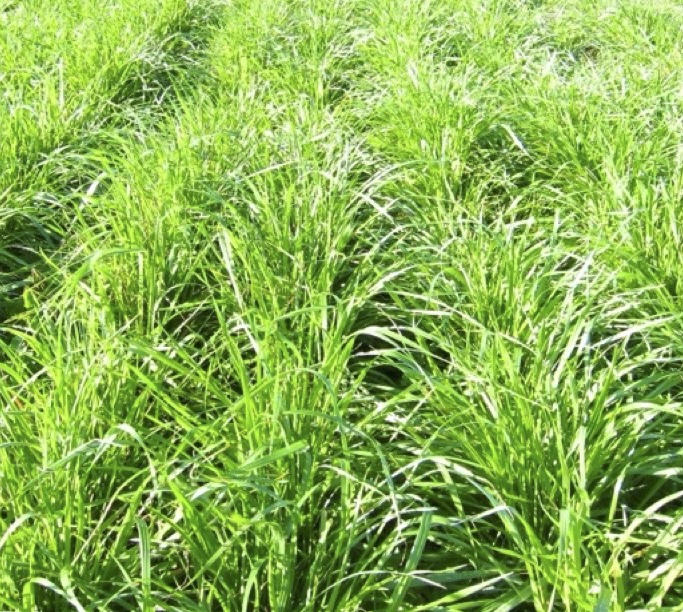
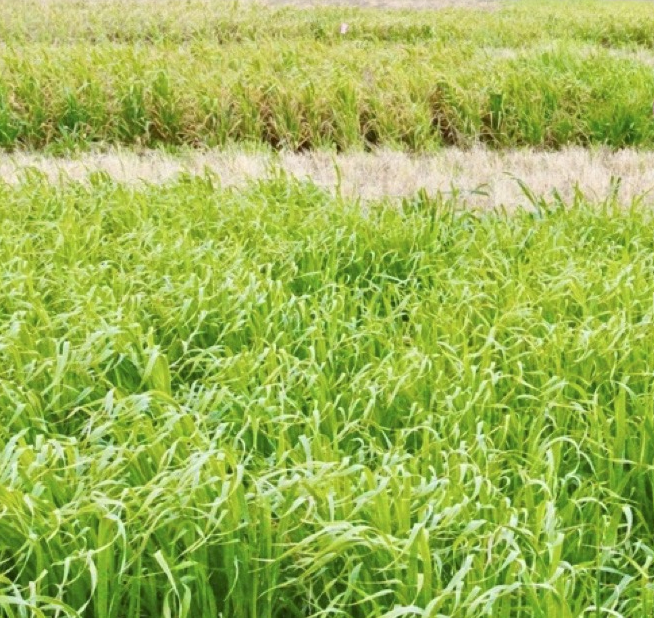
Annual ryegrass. Annual ryegrass (Lolium multiflorum) is a relatively popular cover crop, but also a controversial one. This is because of its potential to become a herbicide-resistant weed–something that troubles the weed science community. Annual ryegrass has been used as a common annual forage for a number of years and, if carefully managed, it may be possible to avoid it becoming a weed issue. The advantages of annual ryegrass are its very easy broadcast establishment, fast growth, and relatively deep rooting. While not as winter-hardy as cereal rye (which is a totally unrelated plant) or even winter wheat, it can overwinter in the southern half of the Corn Belt. If annual ryegrass is used, it’s important to pay close attention to recommended herbicide control strategies and to plant a single named species rather than VNS seed, which can be a mixture of varieties that end up being more difficult to control.
Warm-season grasses
Sorghum-sudangrass. A hybrid member of the sorghum (Sorghum bicolor) family, sorghum-sudangrass is a popular component of summer cover crop mixes due to its fast growth in warm weather. Sorghum-sudangrass can produce more biomass than straight sudangrass, but some may favor sudangrass for its finer texture and reduced risk of prussic acid poisoning for grazing animals (to completely avoid risk of prussic acid, use pearl millet as an alternative summer cover crop).
Forage sorghum. Most people are familiar with the grain type of sorghum (Sorghum bicolor), which has semi-dwarf plants bred for high seed yield. However, for cover crop use, the forage sorghums are a better choice than grain-types. Forage sorghums typically grow over seven feet tall if planted in June. Forage sorghum varieties are widely available in the seed trade and are vigorous plants that can produce a significant amount of biomass. There are even taller “biomass sorghums,” but those are less widely available. Sorghum, domesticated as a food crop in Africa, does well in hot, dry conditions. It is less suited to areas with cool summers.
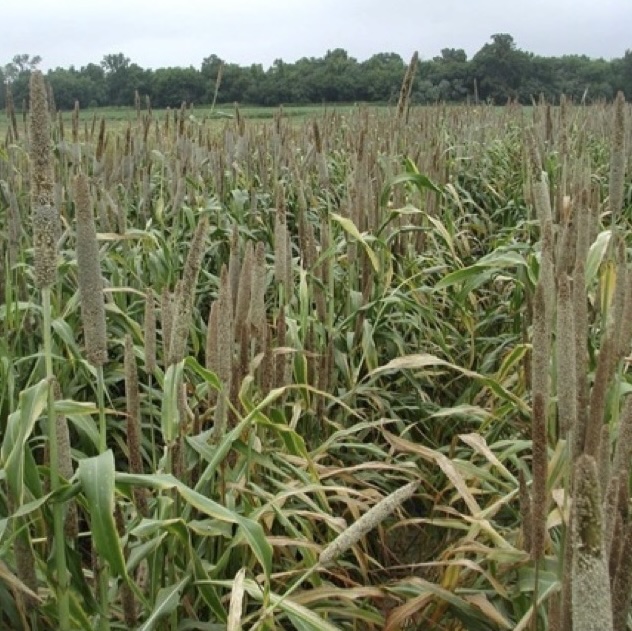
Pearl millet. Like sorghum, pearl millet (Pennisetum glaucum) was domesticated in Africa as a food grain but made its way to the U.S. primarily for forage use. Most of the pearl millet varieties sold in the U.S. are forage-types that typically grow 6-7 feet tall if planted in June; there are a few grain-type pearl millets that are shorter in stature, more typically about four feet tall. For cover crop use, the forage-types are preferred and are more readily available. Pearl millet has a fibrous root system like sorghum and is able to grow in hot, dry conditions. It is tolerant of sandy soils but will grow in heavier clay soils as well. Pearl millet is an excellent option for warm-season cover crop mixes and has the added benefit of providing seed enjoyed by several types of songbirds, including goldfinches.
Foxtail millet. Originating in Asia–most likely northern China–foxtail millet (Setaria italica) is a very different plant from pearl millet, both in appearance and genetics. A cousin of the weedy foxtails, but not weedy itself due to its domestication as a food crop, foxtail millet will generally grow 3-4 feet tall if planted in June, and shorter if planted later in the summer. Foxtail millet has relatively fast growth and is tolerant of dry conditions. It’s a good species for adding diversity to a summer cover crop mix, and its seed is eaten by a variety of songbirds and game birds.
Japanese millet. For sites prone to flooding or excessively moist soils, Japanese millet (Echinochloa esculenta) is the best choice among the millets and annual summer cover crops. It can also tolerate drier upland sites, but its unique niche is in wetter situations, perhaps reflecting its origin in southeast Asia. Japanese millet is often promoted for supporting ducks or other waterfowl, but it’s eaten by some other birds as well, and is a reasonable choice for summer cover crop mixes. Japanese millet will typically grow about four feet tall if planted in June, and shorter if planted later.
Browntop millet. Similar in stature and maturity to Japanese millet, browntop millet (Urochloa ramose) is also from southeast Asia. It can tolerate damp soils but not flooded soils. It can also tolerate drier upland situations. It may not be as easy to find as some of the other millets, but it is sold some for wildlife planting and is yet another way to add diversity to the grasses used in a summer cover crop mix.
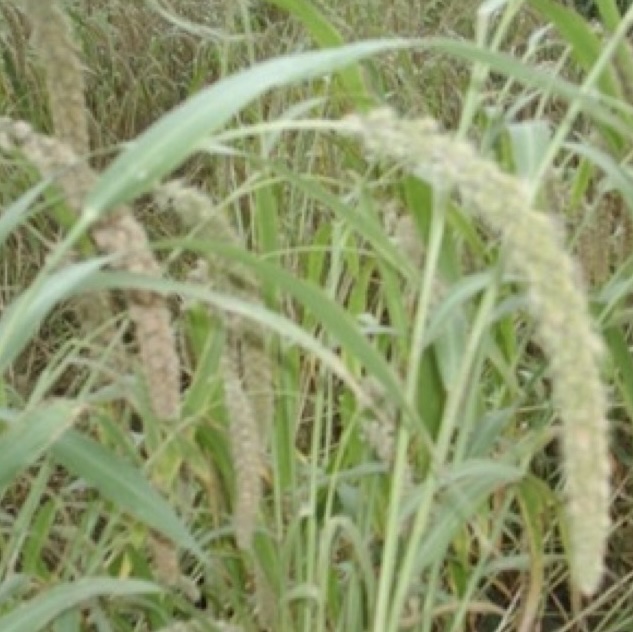
Teff. Sometimes loosely grouped with the millets, teff is an African grain crop most common to the highlands of Ethiopia. Compared to the other grasses mentioned here it is much shorter, generally only growing about two feet tall. The main reason I mention it here is because of its potential to be used as a quick cover that is well-suited for grazing in hot, dry conditions. It can also be used as an effective hay crop, including for horses.
For more information on millets as cover crops or other uses, do a search for “University of Missouri millets” and you’ll find an Extension guide I wrote on that topic. I have written similar Extension guides on buckwheat, sunflowers, and canola that can be found in the same way.
Brassica cover crops
All of the currently available Brassica cover crops on the market are cool-season plants. Brassicas can provide quick cover, help reduce populations of certain nematodes, are effective at sequestering nutrients, and are a good option where vole pressure is high since voles don’t seem to like Brassicas as well as other cover crops (slugs, however, do eat Brassicas). The small, round seed is also easy to broadcast-establish, allowing for a variety of seeding methods.
Radishes. When I hear someone say there’s nothing new about cover crops, one of the things I point out is there are species being used now, like radishes (Raphanus sativus), that weren’t part of the cover crop picture in past decades (other cover crop practices have of course changed, too, like planting green and seeding techniques). Steve Groff, a Pennsylvania farmer, and Ray Weil, a University of Maryland soils professor, were two of the first to see the potential of radishes in the U.S. Steve led the effort to popularize a variety trademarked Tillage Radish, which gained a huge following and helped make the radish species the most popular of the Brassica cover crops.
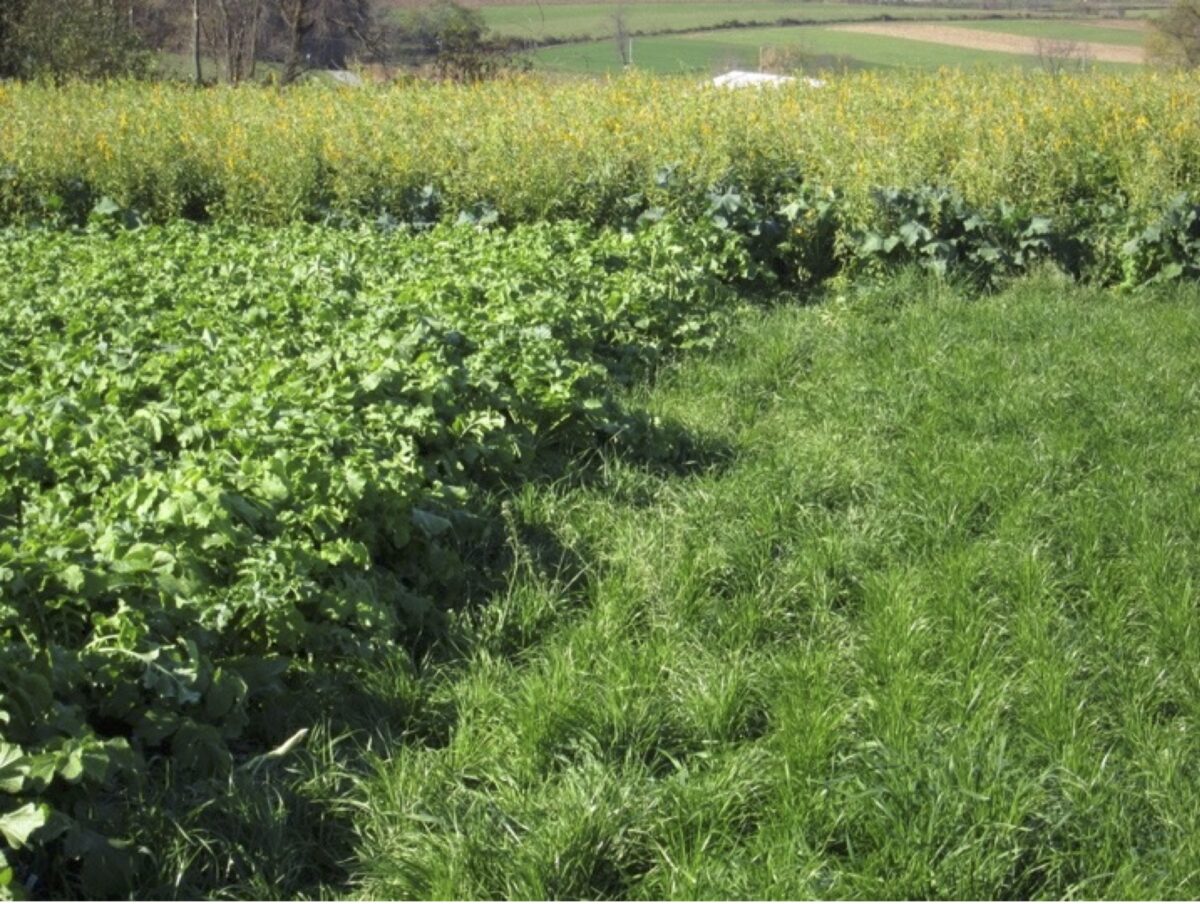
Radishes have been used widely because of their quick fall growth that prevents winter weeds from establishing, their ability to sequester soil nutrients, and the fact that they winter-kill in most of the Corn Belt and so are out of the way for planting spring crops like corn. The fact that they winter-kill is a bit of a downside, however, because it means they lack erosion-control benefits; for this reason, I prefer to see them used with a winter cereal that can help hold the soil in place until spring. Radishes also have the benefit of being able to broadcast-establish relatively easily, which is good because they need to be planted in early fall to provide maximum benefit, meaning they are often flown on or otherwise broadcast into summer crops such as corn and soybeans prior to harvest. The two main types of radishes sold for cover crop use are forage (daikon) radishes and oilseed radishes. The forage type has a larger tuber and is more popular in the marketplace. The oilseed type has a smaller, shorter tuber but may have a little more potential for overwintering in mild climates, depending on variety.
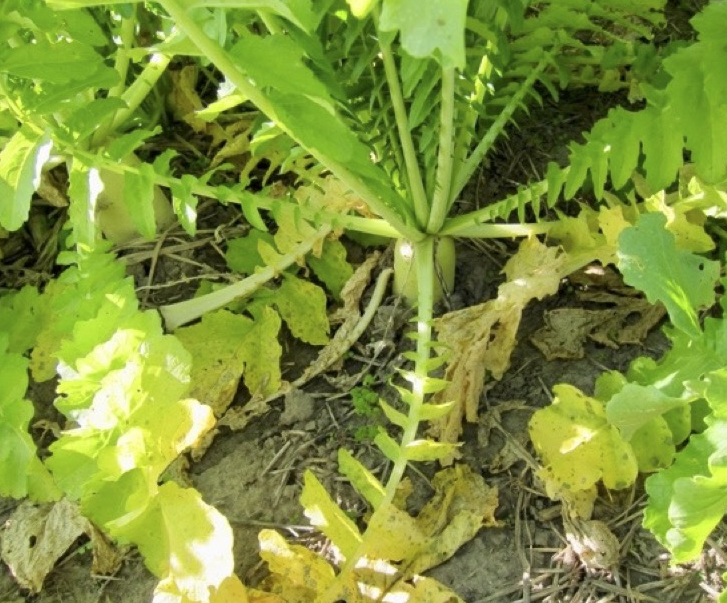
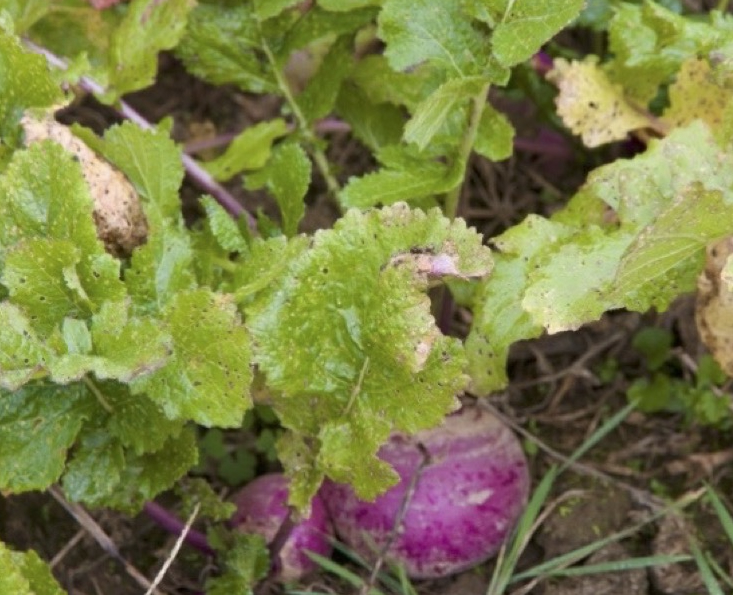
Turnips. For cover crop use, turnips (Brassica rapa) have a lot of similarities to radishes, as they are planted at the same time in early fall and have similar fall growth. The main difference between them is the shape and size of their tubers, with radishes having a tuber that is long and narrow and turnips having a shorter and squatter tuber. In grazing situations, turnips are generally preferred over radishes, since cattle in particular will eat turnip tubers even when the ground is frozen. However, for straight row crop situations, radishes are generally preferred since turnips can occasionally create a bit of a challenge for planting the cash crop, depending on how big they get in the fall and how long they have to decay in the spring.
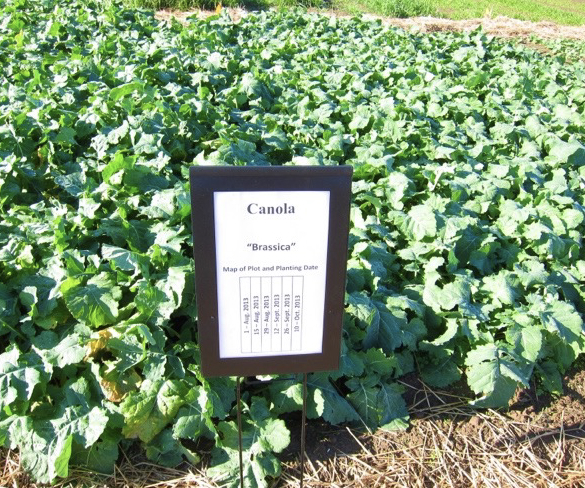
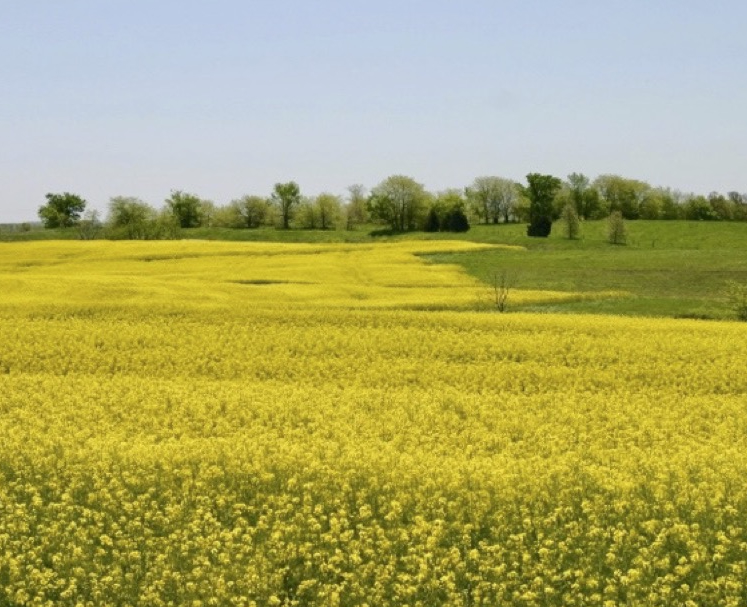
Rapeseed (or canola). As the second biggest oilseed crop in the world after soybeans, canola/rapeseed (Brassica napus) is known more as a commodity crop than as a cover crop. Canola is by far the most commonly grown type of rapeseed. The only difference between canola and other rapeseeds is that canola varieties are lower in erucic acid and glucosinolates than other rapeseed varieties. That makes canola better suited for food uses. For cover crop purposes, the oil characteristics don’t really matter, so winter hardiness and whether to use spring versus winter types of canola/rapeseed become the bigger considerations. I like winter canola varieties for cover crop use as an alternative to radishes; unlike radishes, canola can overwinter and better protect the soil, while providing living roots for more months. However, there can be situations where radishes are preferred for mixes or because a farmer does not want something that overwinters and has to be terminated. Winter canola/rapeseed varieties also have their limits in how far north they can be grown. A general guideline is that they can overwinter in the southern half of the Corn Belt, or roughly south of Interstate 70 (maybe Interstate 80 in a milder winter and if planted early enough). They also overwinter well in parts of the Pacific Northwest with milder winters. Canola can be grazed as a sole cover crop or, better yet, as part of a mix, although it may take cattle a few days to get used to the taste of it.
Pennycress. Pennycress (Thlaspi arvense) is a plant native to Eurasia that sometimes shows up as a minor weed in U.S. crop fields. A company in St. Louis called CoverCress has been working to develop improved varieties of pennycress which will be sold under the CoverCress trademark. The improved type of CoverCress is being positioned as a plant providing some cover crop benefits that can also be harvested in late spring for oilseed use, followed by soybean planting. The market for CoverCress as an oilseed needs further development, but it certainly has some promise, and I’m interested to see how it progresses in the marketplace. It has the potential to provide an economic boost in a crop rotation while serving as a winter cover crop protecting the soil.
Camelina. Camelina (Camelina sativa) is a European plant that has seen some use as an oilseed and interest as a winter-hardy cover crop. There are some potentially promising uses for camelina seed oil, which have led to it being grown on a small scale in northern and northwestern states. Both winter and spring types of camelina are available, with the winter type being the one used for cover crop purposes. Some experiments in Minnesota and other states have looked at interplanting soybeans into camelina and then harvesting the camelina in June, while the soybeans are still small. Camelina doesn’t mature for seed harvest quite as fast as the new varieties of CoverCress, but it appears to be more winter-hardy, which has driven the interest in using it as a cover crop in northern areas.
Mustards. The true mustards include brown mustard (Brassica juncea) and white mustard (Brassica alba or Brassica hirta or Sinapsis alba). Brown and white mustard don’t get used too often for cover cropping, but they are occasionally used in diverse mixes of cover crops. In my limited experience with them in Missouri, they aren’t as vigorous in the fall as radishes, turnips, or canola are. However, some of the mustard varieties may be more bioactive in ways that could provide benefits for fighting certain soil-borne diseases or pests; more research on this is needed.
Other brassicas. There are many plants that are members of the Brassica plant family, including common vegetables such as cabbage, kale, arugula, cauliflower, and broccoli, and a wide range of wild Brassicas such as yellow rocket (Barbarea vulgaris) that show up in many crop fields in early spring. I expect we’ll see more novel Brassicas tried as cover crops in the coming years. In Missouri conditions, one that has stood out to me for strong fall growth is Africa cabbage (Brassica carinata), also called Ethiopian cabbage or Ethiopian mustard. If planted in early fall, it can put on an impressive amount of biomass. However, it will normally winter-kill in Zone 6 or colder climates.
Other common cover crops
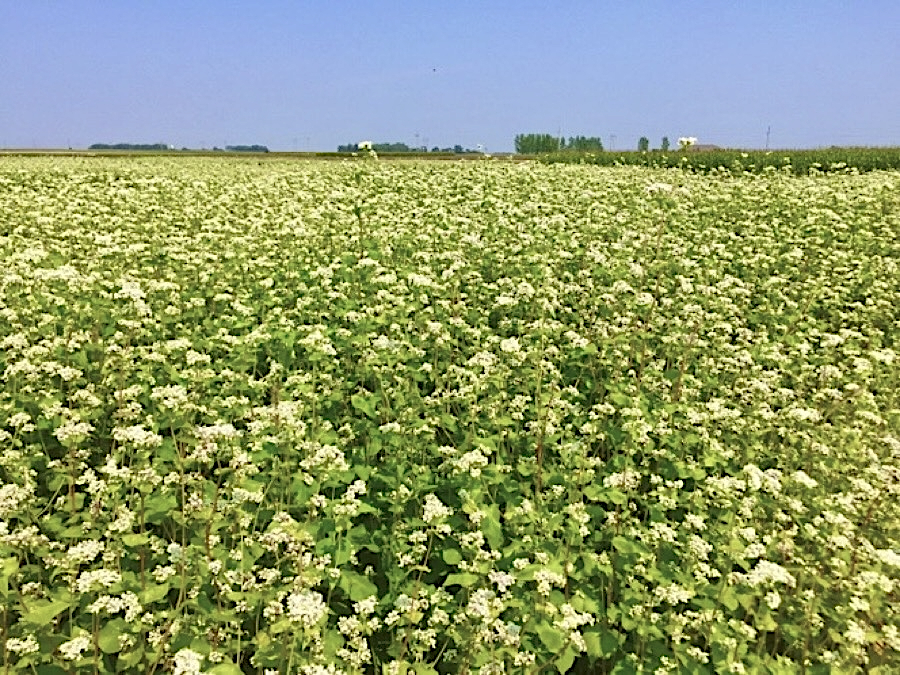
Buckwheat. Among the cover crops that don’t fall into the categories of grasses, legumes, or Brassicas, buckwheat (Fagopyrum esculentum) is the most popular option. Long used by vegetable growers as a summer cover after early-season vegetable harvest, buckwheat is now used frequently in multi-way cover crop blends in grain crop rotations, mainly after small grain harvest. The three main attributes of buckwheat for cover crop use are fast growth, soil improvement, and a long flowering period. I’ve grown over 70 species of economic crops, and buckwheat is the fastest from emergence to flowering, putting on quick growth that can help smother weeds to an extent. However, vigorous summer weeds can outcompete buckwheat, especially if the buckwheat stand isn’t thick. From a soil improvement standpoint, I’ve heard some farmers say they feel buckwheat mellows the soil. That’s a subjective observation, but it is somewhat more documented that buckwheat seems to help make phosphorus more readily available in the soil to following crops in the rotation. Buckwheat’s long flowering period is a plus for pollinators and other beneficial insects, and is another reason it is popular in mixes.
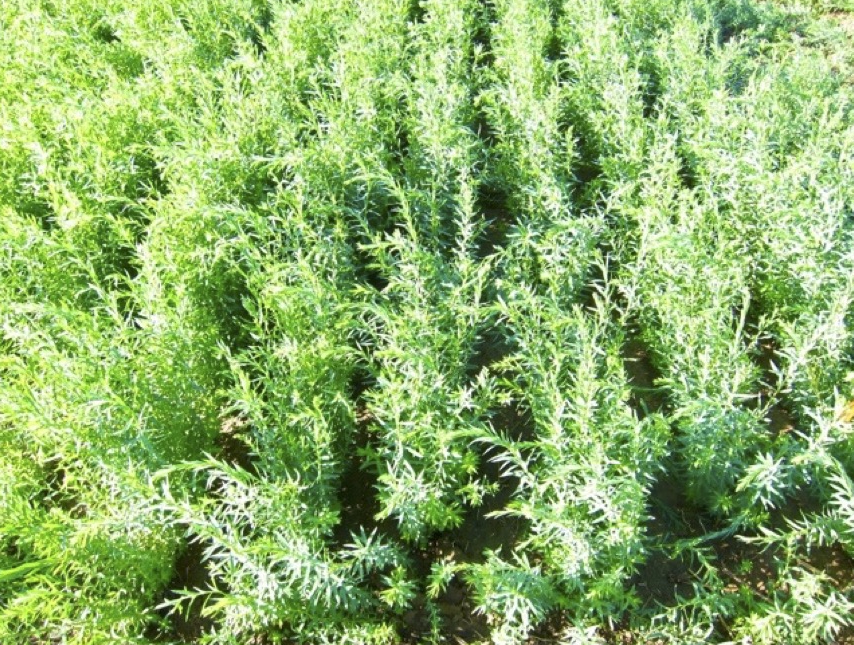
Sunflowers. Sunflowers (Helianthus annuus) have some similar benefits to buckwheat but are a much different plant in terms of height and growth habit, making them complementary members of a diverse mix. The most commonly sold sunflower in cover crop mixes is a Russian type also sold for wildlife use called Peredovik sunflower. However, I feel the commercial oilseed sunflower varieties are just as good of choices for cover crop mixes, and may even be superior because of their leafier growth and overall vigor. Sunflower, like buckwheat, is a plus for pollinators, but it doesn’t bloom for nearly as long. Sunflowers can be helpful in suppressing weeds and have a deep taproot that can help loosen up tight subsoils. Even a small amount of sunflowers in a summer cover crop mix can be a positive thing from a diversity standpoint, and certainly adds some beauty to the field when flowering.
Flax. While buckwheat and sunflower grow best in summer, flax (Linum usitatissimum) is more of a cool-season plant. If planted for seed harvest, it’s normally planted in early spring around the same time as oats, producing seed in late July or early August. As a cover crop, its main use is to diversify summer or fall cover crop mixes. If planted in summer, it can provide a period of flowering in the fall–a positive for beneficial insects. The blue flowers of flax are attractive, as is the plant overall, but the small leaves don’t provide much in the way of competition for weeds. I’ve grown flax quite a bit for seed production plots and in cover crop mixes; it wouldn’t be a high priority for me to add to a mix, but if I were doing a blend of 10 or more species, I would certainly consider flax from a diversity standpoint.