
Kent Wasson farms and ranches with his son Kyle in north central Montana, close to the Canadian border. They have about 12,000 acres of cropland and graze about 18,000 acres of summer rangeland with beef cattle. The cropping system is centered on spring wheat, with about a third of the acreage in pulses (large-seed legumes)–mainly yellow peas, but also some lentils where the soils are suitable. They rotate in some oilseed crops, too–particularly flax and canola. The oilseeds do best on plateau “benches” and serve well as rotation crops with the wheat.
Kent’s original motivation to use cover crops came from attending the First National Conference on Cover Crops and Soil Health in early 2014. He went home from that conference and decided they needed to try growing some cover crops on their farm, even though they are in a low-rainfall area where cover crops had been less common.
That first year, they grew 200 acres of cover crops, with the goal of obtaining some soil enhancement. They used a mix of about 17 diverse species, including legumes, radishes and other Brassicas, cowpeas, chickpeas, lentils, millets, and other species. Most of their fields consist of sandy clay loam soil. In some places, the topsoil is quite shallow, and underlain by gravel.
They have used the cover crops to target improvement of some of their heavier-textured ground where it’s been difficult to get sufficient rainfall infiltration. In some years, they’ve done two back-to-back years of highly diverse cover crops from spring through fall to try to improve the soil. Generally, they try to plant 300-500 acres of cover crops each year, rotating where they plant them to gradually build up the soil health of their fields.
Organic matter used to be very low in most of their grain fields, at about 0.8%-0.9%. Now, in fields where they’ve done multiple years of cover cropping, the soil organic matter has almost doubled to about 1.8%-1.9%. Kent hopes that continued cover cropping will help them increase their soil organic matter to about 2.5%, which would create significantly greater water holding capacity in their soil–something badly needed in a low-rainfall area.
Besides the gradual change in soil organic matter, Kent commented that they are getting to the point where water doesn’t stand in their fields any more after a hard rain; it’s soaking in much better.
Cover crops have also helped with weed issues. They’ve been in no-till or minimum-till for 30 years, but certain weeds have adapted to that system, such as foxtail. A healthy stand of a cover crop or cover crop mix helps control the foxtail and other weeds.
So far, they have kept fertilizers at the same level following cover crops. However, they have noticed better productivity after the cover crops, including for grain quality. For example, when they grow durum wheat or other wheats the year after cover crops, the wheat is higher-quality, normally achieving #1 grade and 1.5% better protein, earning a premium.
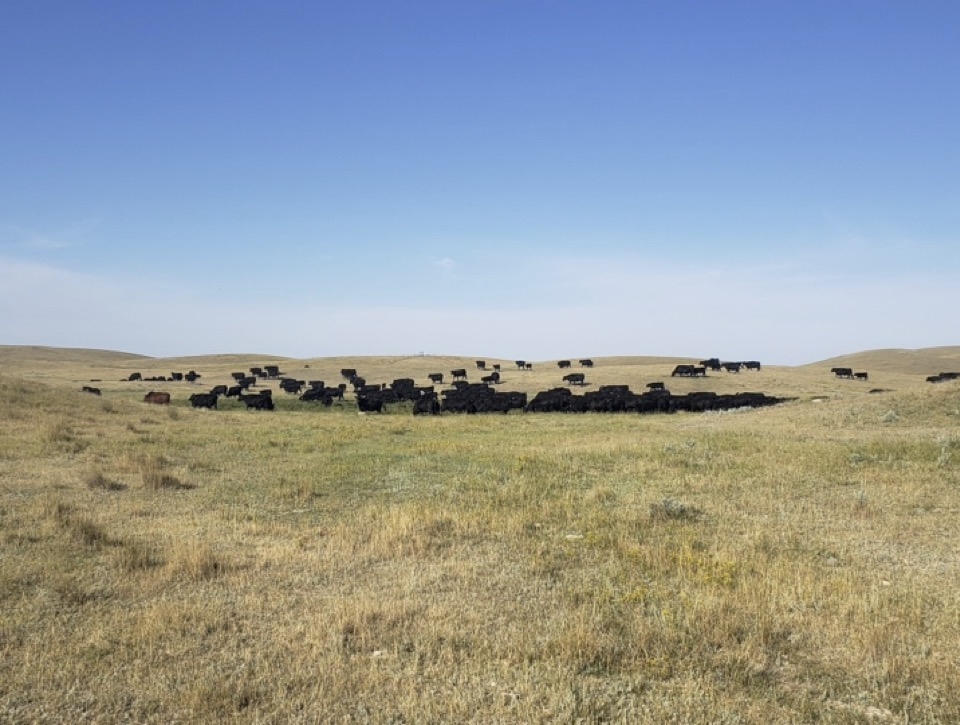
While they use cover crop mixes primarily to improve the soil in rotation with annual crops, they also use them to make income through grazing of beef cattle. For example, one year, following good summer growth of a cover crop mix that had been seeded in mid-May, they turned cattle into the fields in mid-September. At that stage the steers averaged 425 pounds of weight. Utilizing 500 acres of cover crops for grazing, the steers routinely walked a mile to water and then back to the cover crops. The steers gained a remarkable 4.1 pounds per day after about seven weeks of grazing, at which point their average weight was 638 pounds.
Sometimes the Wassons graze the cover crop mix from early fall all the way to early January, but water access can be a limiting factor. The cattle are not fenced into the cover crop acres, but will go to them preferentially until the forage is used up. Usually, they have about 400-500 head of cattle grazing the cover crops. When the cover crop forage is finished, the cows eat some standing barley hay, eat baled hay that is hauled to them, or go onto rangeland until they’re ready for market.
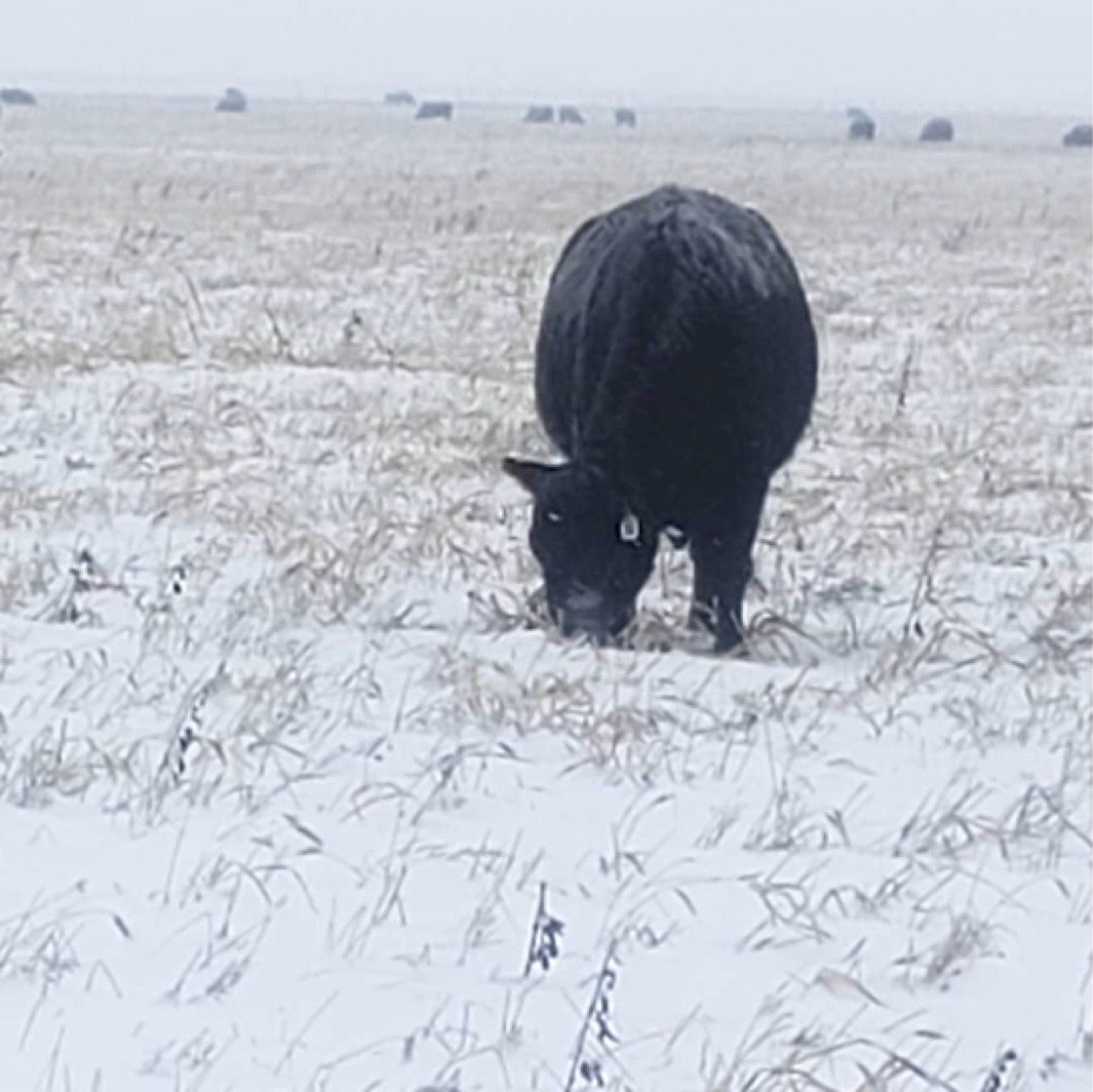
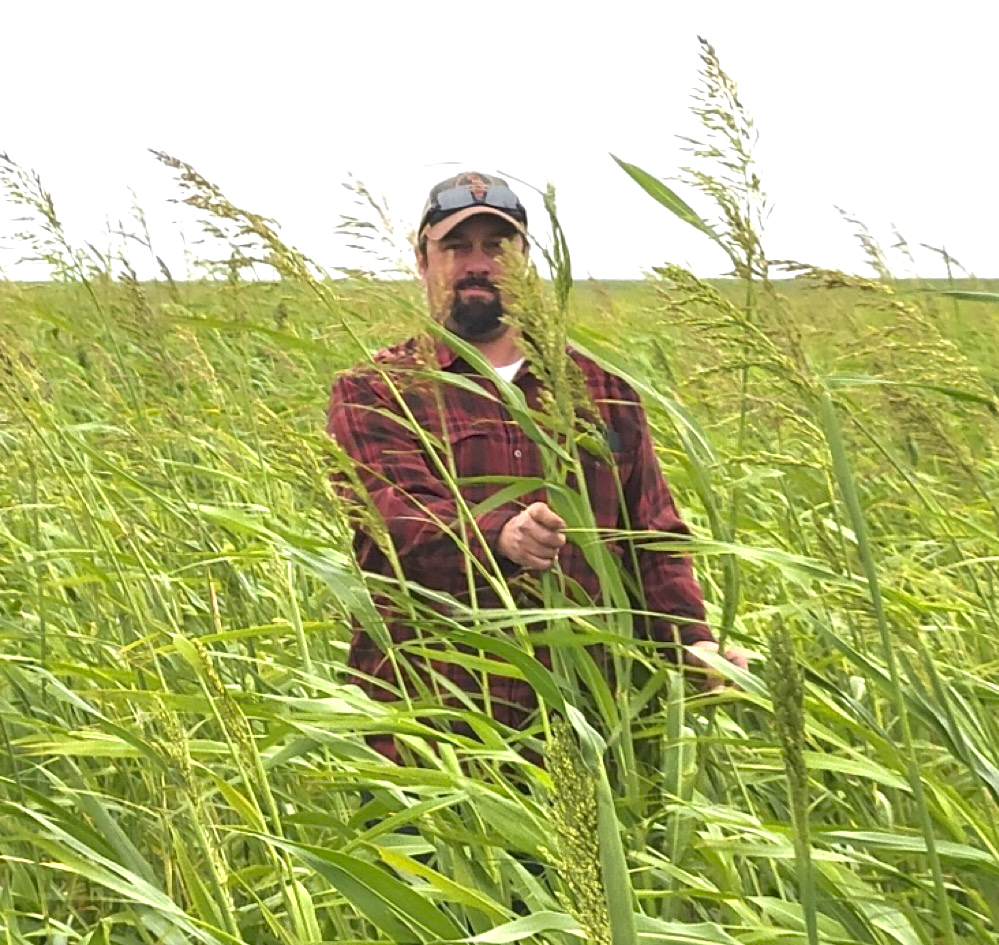
When I visited with Kent in winter of 2022, he commented that during the past year (2021), the cover crop plantings were really the only green summer fields on their farm. Climatologists called what the Wassons were experiencing a “200-year drought.” With so little in the way of green plants, they suffered an invasion of grasshoppers on the cover crop fields, with the hoppers eating most of the low-growing covers but leaving the taller sorghum and millet. Those tough summer cover crop grasses provided some badly needed forage for their cattle.
Kent shared that they’ve paid an average of $30 per acre for their cover crop seed mix in the last few years, but he feels that it’s been a very profitable investment, because of both soil improvement and cattle grazing. He commented that their approach of grazing the cattle on cover crops came second chronologically; at first, their focus was solely on soil improvement via the covers. Kent and Kyle keep experimenting with the mix of cover crop species being used. They’ve gradually cut back some on use of pulses because of expense, but they do typically include some cowpeas in the mix. Other common species in their mixes are radishes, turnips, various millets, sorghum, grazing corn, sunflowers, and sometimes buckwheat. The cover crops are planted with a 70-foot-wide air drill.
Where the cover crop mix has been rotated with wheat, Kent doesn’t think he’s seen a consistent yield improvement, but he has noticed less foliar diseases on the wheat, perhaps because the cover crops provide some diversity in the rotation. The real difference in yield came this past year with the severe drought; while many neighbors’ wheat fields didn’t produce enough grain to be worth harvesting, the Wassons were able to get a modest harvest off the majority of their fields, though of course yields were well below normal.
Kent attributed that better drought performance to better rainfall infiltration and improved soil moisture holding capacity following use of cover crops. Where they’ve used cover crops, he can also tell the soil tilth is better. For example, when seeding wheat with an air drill, he commented that the soil flows better around the furrow openers, and they don’t have as much soil crusting as they used to.
Asked what he would say to other farmers in his region interested in cover crops, Kent commented: “It’s good to try a diverse mix. Take a day to seed the cover crops in the middle of planting wheat or spring pulses.” To make sure they get the summer cover crops seeded in a timely fashion for soil improvement, Kent tries to set aside a specific day on the calendar, like May 12, and puts aside wheat planting for a day in order to get the cover crops planted. He added: “Implement a five-year plan with the cover crops. Get a double dip for soil health and for your cattle–better soil quality and more weight on the cattle, a real win-win situation.”