Your research can only help people if it reaches them. Communicating with others about your research is a critically important part of your project, allowing the benefits of your findings to extend beyond your own operation. Outreach can take many forms, depending on the community you’d like to reach. Think about your potential audience and how they get their information; this can guide your decisions on what form your information products might take. Here are some possible methods of telling your story.
The Research Report
However you plan to reach your target audience, it’s a good idea to write a traditional report describing your project, methods, and results. Putting this report together will help you describe and clarify what you’ve learned from your project. If you got a grant for your research, a final report may be required. If not, you can use your report as a record of the project and a basis for publications. As you write your report, you can use the template in the Sample Forms section as a general guide.
Hosting a Field Day
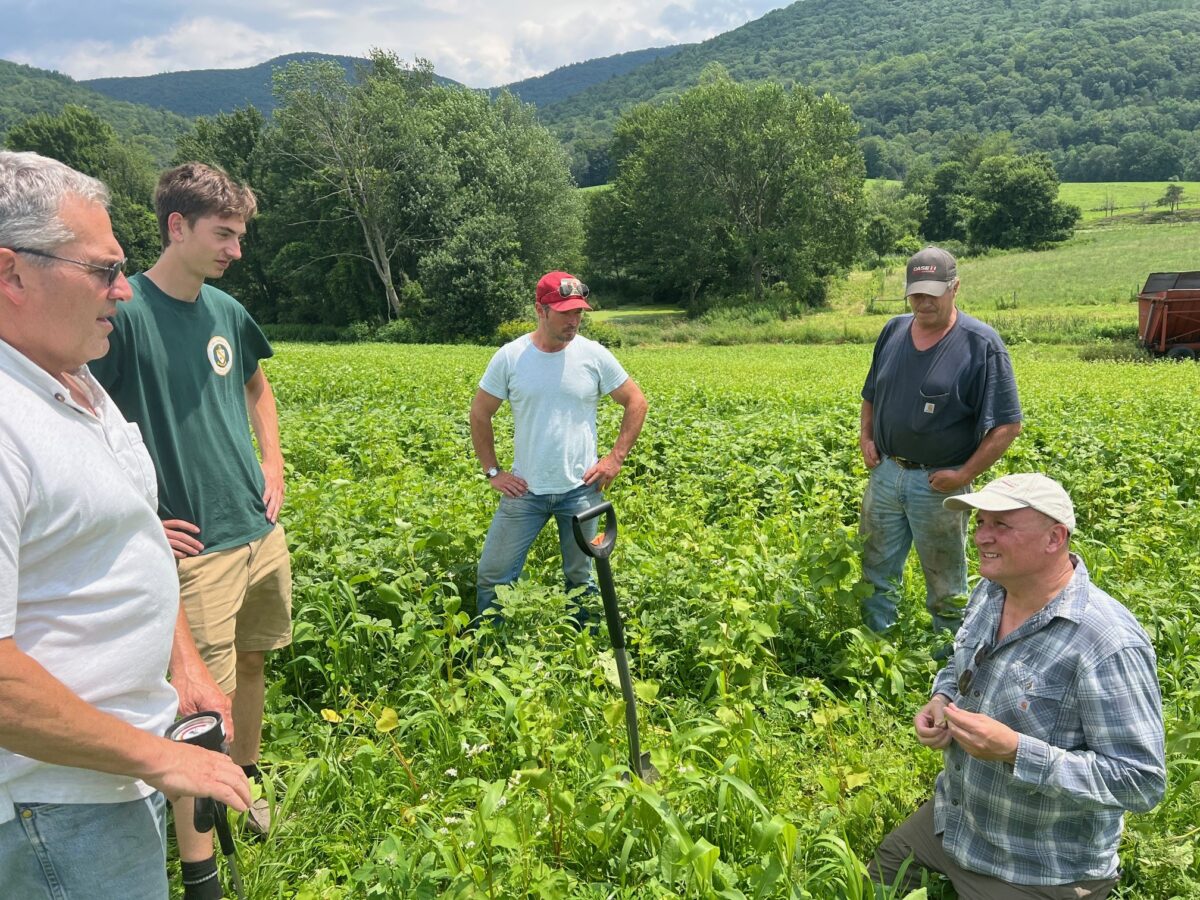
Sometimes, the best way to understand something is to see it for yourself. Hosting your neighbors at your farm or ranch can be a great way to showcase your research and discuss important questions. You can hold this type of event during the growing season when crops or animals are visible and the question or problem is easily demonstrated; the results and analysis might not be finalized until after the field day. A physical demonstration could be an exciting way to showcase a successful engineering project.
If you’re interested in hosting a field day, consult SARE’s Farmer Field Day Toolkit (www.sare.org/farmer-to-farmer). You might also consider collaborating with an agricultural organization, Extension, or others who have experience planning, promoting, and hosting field days.
Presenting at a Conference or Industry Event
Many farmers enjoy attending events such as regional agricultural fairs, Cooperative Extension workshops, and conferences. These can be a great opportunity to showcase your project with a booth, poster, or presentation.
Article in a Trade Journal or Scientific Literature
Consider writing an article for a magazine or journal with circulation among your peers. If your local county or university Extension agent provided assistance or support for your project, they might coauthor or publish your article. A scientific article in a peer-reviewed journal is also a possibility, especially if you’re partnering with a college or university. Another good option is to reach out to journalists at local radio, TV, and newspaper outlets with information about your project, including both what you’re trying to achieve and why it’s important to farmers and communities in the area.
Social Media
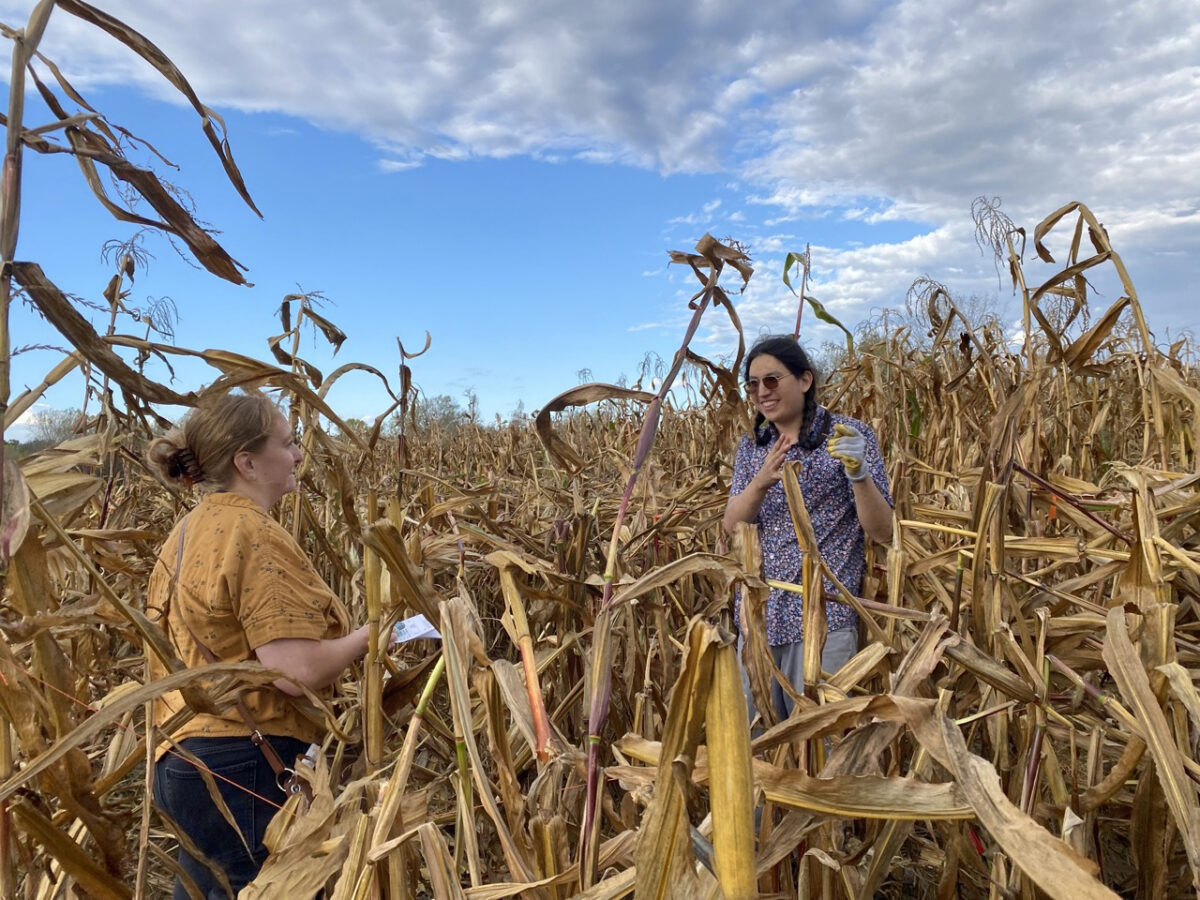
Popular social media platforms and other online forums can be an effective outreach tool to build interest and enthusiasm. You can use social media to direct traffic to your operation’s website or blog, where you can present more detailed information. An engaging online presence can also generate business and lead to partnership opportunities. The ease of setting up access to these platforms, however, can be deceiving. Consistently creating high-quality content for social media requires skill and discipline, and success isn’t guaranteed.
Assignment
- Describe the audience you’d like to reach to share your research and results.
- What are the most important things your audience needs to understand about your project?
- Where does your intended audience get the kind of information your project will provide?
- State your plan for communicating the knowledge gained in your experiment to this audience.
- Ask someone else to look over your results, preferably someone who represents your intended audience and is unfamiliar with your project. Describe their response. How might you best help them to learn from your project and be excited about it?
Assignment Self-Evaluation
- Think about your target audience. How does the problem you addressed in your project affect them? Or, what parts of your experience with this project will they find most interesting?
- Will your outreach help your audience to understand how your project applies to them and helps them solve the problem you started with? How could you improve in this effort?
- How have you optimized your message to fit the delivery method you intend to use?
Example: Since I plan to present my findings via social media, I have broken my discussion into small points that can be presented in 30-second video clips.
- Do you have the skills to implement your communication plan? If not, whom can you ask to help you with this?
- What are the costs associated with this plan? Are they accounted for in your project budget?