The first step in developing a research project is to define the problem you want to solve or the question you want to answer. Sustainable agriculture is constantly evolving, with new challenges and innovations emerging every day. Your task here is to choose a specific question that, if solved, would allow you to improve your operation in a meaningful way.
Become (Even More of) an Expert
Once you’ve identified the general problem you’d like to solve, collect as much information about the issue as you can. This will help you build your project on a solid foundation of knowledge and find the best solution possible. It will also ensure that you’re filling a gap in the current body of knowledge, therefore providing new and useful information.
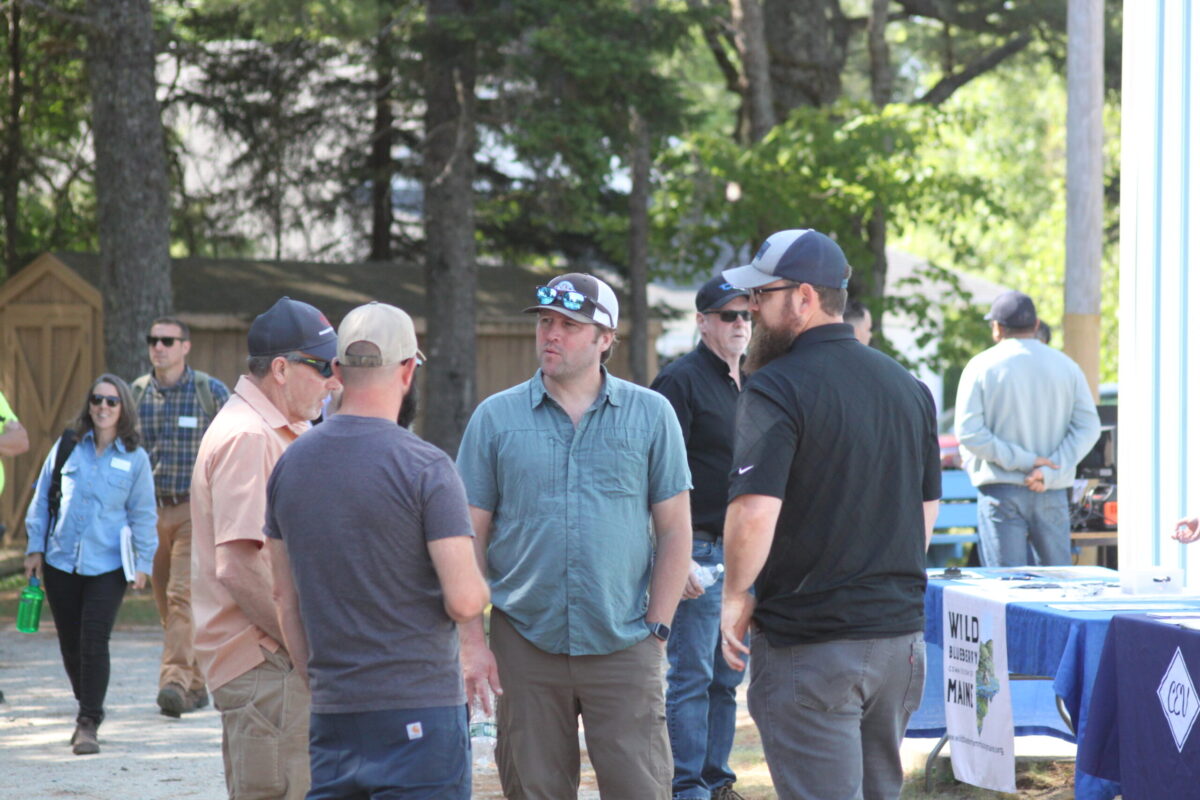
The first source of information you should look to is your own experience. What have you observed? What ideas have you tried, and what was the result? You can expand on your own experience by talking to your neighbors and other producers. Often, conferences and field days hosted by universities or industry groups include presentations and working groups focused on current issues. Ask lots of questions, taking thorough notes as you learn.
Also, read up on your problem. Published information can range from bulletins available through your county Extension office or USDA service center, to magazine articles, e-newsletters, and trade journals. Depending on the nature of your question, you might also find good information in scientific literature.
As you find useful publications, keep copies in your files to refer to later. In case you decide to write up the results of your project for a publication, you’ll need to properly cite your sources and provide references to them.
Focus Your Question
As you gain knowledge about your problem, use it to refine and focus your question. The more specific you can be about your research question, the easier it’ll be to design a project that can answer it.
For example, consider the question, “Do cover crops help improve soil health?” Your first thought might be that the obvious answer is yes, because most folks have heard of the benefits of cover crops. But if you decide you want to act on this information and use cover crops on your own farm, suddenly things aren’t so simple. For example, what aspect of soil health do you need to improve? Which cover crop varieties or combinations might help you the most? When and how should you add cover crops to your rotations to see the benefits you’re hoping for? How will you measure what you want to know? Could certain cover crops cause more problems than they solve? Though most farmers appreciate the general benefits of cover crops, many have questions about how to use them effectively.
By focusing on real-world questions, you can build a research project on your farm to provide answers that you and others can act on.
Assignment
The following questions will help you refine the question that will form the basis of your research project. These assignments are just for you and anyone you choose to share them with, so please complete them as thoughtfully as possible, and don’t hesitate to go back and change answers as you work through the lessons. Use the self-evaluation questions in the next section to help make sure you get the most out of this assignment.
- List a few sources of information about the topics related to your problem or question. Remember, this can include both publications and people—yourself, your neighbors, or others in the farming community. The more, the better! Remember to keep track of these resources for your reference and for citation later on. Your project journal would be a great place for this information.
- Consider including SARE’s database of funded projects (projects.sare.org) in your background research at this time. This is particularly important if you’re using this workbook because you plan to apply for a SARE grant. If you find useful information or inspiration, take notes in your project journal. List a few of the relevant project number(s) and title(s) here too, so you can easily reference them again.
- Summarize what you learned from all the resources you’ve found that helps you think about potential solutions to your problem. You can be brief here if more detailed notes are in your project journal.
- Does the information you found in published or online resources align with your own observations or those of your neighbors? If not, how can this be explained? Note that any differences between your experiences and the generally accepted assumptions could point to an important research question.
- Do you feel you’ve identified an area where the available information doesn’t adequately answer an important question? Describe this knowledge gap.
- If you found an answer to your initial question, are there any follow-up questions you could address with your project?
- Before you move on to Lesson 2, state your research question as clearly as possible. Keep in mind that your project can and will evolve as you move forward.
Assignment Self-Evaluation
- Do you feel confident that you have a sense of the state of knowledge surrounding your question?
- Do you feel there’s more you should understand before you move on?