You can design an elaborate, scientifically sound experiment on paper, but when it comes to implementing it in the field, it’s easy to discover a wide range of pitfalls or limitations. To ensure success, dig into the fine details of your plan to identify any potential bottlenecks in things like space, time, machinery, materials, or budgets. As you examine your plan, make sure to include all phases of the project, including data analysis and outreach. These and other important phases are addressed in later lessons.
Locations: Fields, Plots, Pens, and Facilities
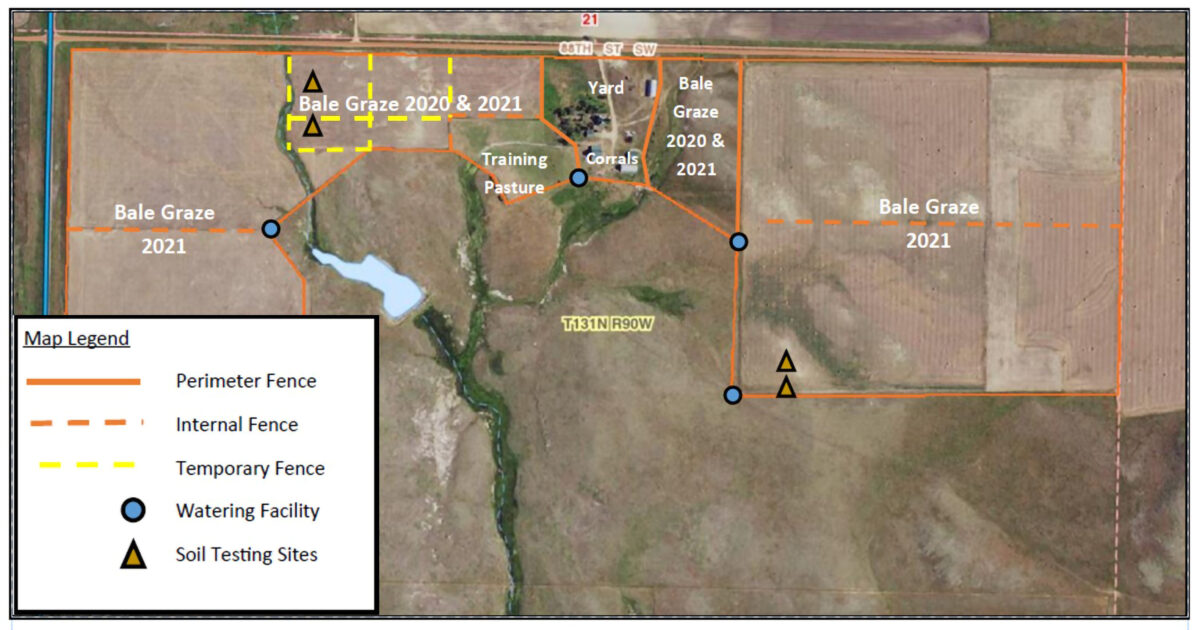
Where will your project take place? Think in detail about how the location may affect your results. If you’re doing crop research, is there an area in your field with enough space to lay out test plots and controls, where conditions are uniform enough to provide valid comparisons? Recall from the last lesson that it’s important to eliminate as many variables as possible. When growing a crop as part of your research, there are many ways that the location of individual plots can influence the results, if you aren’t careful. For livestock projects, can you separate animals getting different treatments and still ensure they all have access to shelter, water, and so on?
Materials, Equipment, and Methods
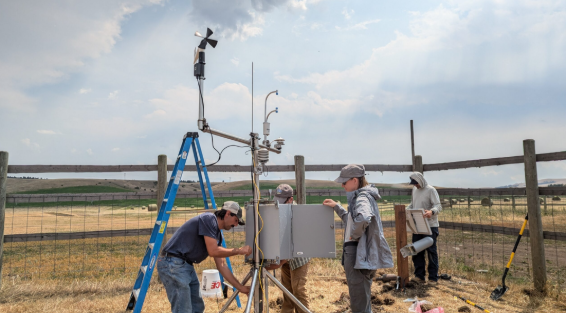
Think through each phase of your project and list out the supplies and equipment you’ll need to complete it. Do you have these things on hand? If not, how can you get them? If your project involves outside services, such as soil sampling by a laboratory, list these as well.
If your research is centered around people, such as marketing or social science projects, think about how you’ll engage with them. If you plan to use a survey, who is your target audience and how will you reach these people? How might the details of your outreach method influence your results?
Personnel
Who will be doing the work? Is any training required to enable team members to do the work? Will you need additional hired labor, or support from outside consultants? If you’re preparing a proposal to request funding for your project, you may need to list the people involved, including their qualifications to perform the tasks required.
Budget
Running into a budget shortfall is a notorious risk for any project, and on-farm research is no exception. Even when you’re not seeking outside funding for your project, it’s essential that you understand the costs of implementing your plan. This includes not just the costs for materials, but also for the time that everybody is putting into the project. This labor cost often gets underestimated.
While guesswork may be necessary when estimating some expenses, a clear idea of the overall costs is necessary to the success of the project.
Timeline
Time is as limiting a resource as money. The most obvious time limitations apply to grant-funded projects: The planned activities must be completed within the timeline the grant requires. Growing seasons, market cycles and personnel availability can also create bottlenecks. For example, you may want to avoid committing yourself to a heavy data-collection workload during busy seasons on the farm or when an off-farm job is making demands on your time. Similarly, young people may have limited availability to assist with projects during the school year or a sports season.
Communicating Results
After you’ve collected and analyzed all of your data, and answered your questions, it’s time to present your findings to others. Whether you plan a demonstration of your engineering solution, a field tour of your pastures, or a conference presentation, your outreach is your chance to show people what you’ve learned. Like every other phase of your project, your outreach will require careful planning. We address this topic in more detail in lesson 9.
Assignment
Use the templates in the Sample Forms section to help you complete assignments 3, 4, and 5.
- Describe the specific locations and plots you’ll use to carry out your research. For an animal-related project, describe where the animals will be throughout the entire year, ensuring they have access to water and shelter at all times, and if or how you’ll keep the treatment animals separate from the controls. It’s often useful to create maps and drawings of research areas.
- Make a complete list of what you’ll need to purchase, lease or create to complete the project, and what resources you already have.
- List each person involved in the project, along with their duties. Remember to address these tasks:
- Setting up the project that you planned (starting the experiment, developing an observational plan, or construction of an engineering project)
- Crop and animal care
- Data collection
- Data analysis and statistics
- Writing and reporting
- Outreach events, such as a field day, if you plan to host one to share results
- Prepare a detailed budget. Research prices for any purchases and leases that you’ll require. Estimate labor costs using a reasonable hourly rate for each person involved. Include unit costs for any outside services, such as lab analysis, subscriptions, or printing. Also consider providing stipends to other project participants who are providing expertise and support to the project. If you’re applying for grant funding, be aware of any restrictions on allowable expenses for the funding request.
- Create a timeline of the project workflow. Include target dates as well as any deadlines for all activities.
Assignment Self-Evaluation
- Do you have access to enough space, fencing, animal watering infrastructure, and so on, to conduct the project as described? Can you spare the necessary facilities for the entire duration of the project? Do you need to seek out someone with additional expertise?
- Look over your locations, livestock, and crops. Are there any differences between the treatment and control groups or plots that could influence your results (for example, soil types, landscape setting, site history, or animal characteristics)? For an engineering project, does the testing environment mirror the original problem? If you see differences, is there a way to minimize their effects?
- Examine your project timeline.
- If you’re seeking a grant for the project, can you complete the project within the grant’s specified timeline?
- Will the people involved be available during the times of year when the work will take place?
- Examine your budget.
- Will funds be available to cover all expenses?
- Is every budgeted item necessary for the plan you laid out in Lessons 4 and 5?
- If you’re using your budget for a funding proposal, does each expense comply with the grant’s guidelines?
- Look over all of the lists you’ve just created. Do they make sense together? Does each item support the overall goals as you’ve stated them?
- How do the answers to the above questions change if conditions change? Think about the weather, markets, health, life events, and so on.