In this lesson, we transition from planning your project to implementing it. We’ll share some best practices for collecting data during your project.
Collecting Field Data
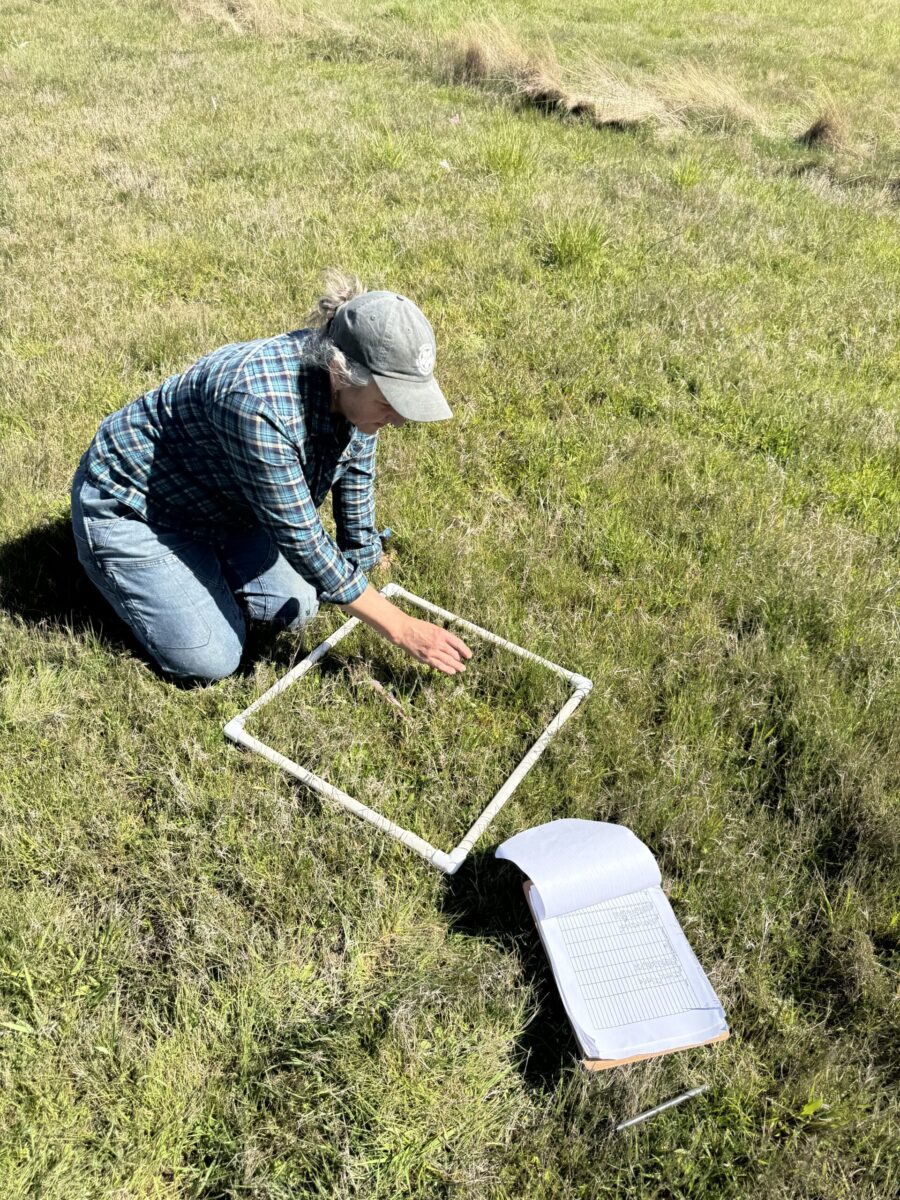
Data must be collected in an organized and consistent manner. A successful project requires close attention to accuracy, consistency and completeness of data collection the entire time. The units you use must be the same throughout the dataset, and every piece of information must be clearly labeled with the date, data collector, and identifying information such as field location or experimental group, as applicable. When collecting data on paper, consider making printed field forms for consistency and ease of use. When collecting data electronically, create a spreadsheet or database.
Soil Tests and Other External Lab Data
If your research involves laboratory analysis of samples, such as soil, water, or feed, be sure to follow the lab’s instructions for collecting and processing samples. Take special care to note the date, location and any other identifying information about the sample on the bag or container. Be sure to designate a folder (digital or physical) to store results in as you receive them. In your project journal, carefully note the dates when the samples were sent, when you received the results, and where you’re storing this information.
Quality Assurance and Quality Control
Generating robust, high-quality data requires planning and sound practices. Quality assurance (QA) means making sure you collect good data. One important element of QA is making sure that every person involved in data collection is well trained to perform the process. Consistent use of terminology, units, and protocols are also important. Depending on the nature of your research, you may have other ideas for a QA plan.
Quality control (QC) is the process of correcting and recording any errors that do occur, to prevent them from damaging the analysis. Eliminating duplicates, correcting data entry mistakes, and discarding incomplete or questionable records are all important QC activities. If multiple data collectors are working together, regularly checking for errors or omissions in each other’s data can be a great practice.
Keeping Data Organized
Data can accumulate quickly, and keeping it well organized is necessary to prevent an overwhelming mess. Good data management practices can save time and frustration. Paper forms should be filed regularly, as well as observations you might be entering into your project journal. For electronic data, be sure to keep track of the locations of important folders, and back up your data regularly. Consider creating a master document specifying what data is where, the meaning of acronyms and abbreviations, and any other items that might become unclear later.
Assignment
- List each type of data you’ll collect.
Example: Rain gauges at all locations will be emptied after each precipitation event within the study period; the amount of water will be recorded.
- For each data type (such as a soil test, measurement, photo, or observation) describe your procedure in detail. Where appropriate, cite the published protocol.
- What can you do to eliminate or reduce bias in your data collection process?
- Describe how you’ll record the data you collect. Will you maintain a field notebook? Are there paper or electronic forms you’ll enter data into? How will you make sure your data stays safe from loss or damage?
- Describe your QA/QC plan to ensure good data.
Example: Data will be collected on paper forms. At the end of each day, the data sheets will be checked for accuracy and completeness, and the person performing this check will sign the bottom of the sheet.
Assignment Self-Evaluation
- As your experiment progresses, frequently look back through your project journal and the answers to the questions above. Consider:
- Are you keeping up with your planned data collection schedule?
- Is all of the data you’ve collected stored safely and organized properly?
- Are you adhering to your QA/QC plan? How can you improve this process?
- Are you taking notes in your project journal to help you remember key observations, unexpected events, and questions that emerge from your project?