Objective
This lesson is most relevant when you’ve chosen to conduct an experiment. We’ve included brief sections at the end to discuss how you can adapt the concepts outlined here for both observational and engineering projects.
When Conducting an Experiment
The research hypothesis is the basis of an experiment that’s designed to test a guess or idea about how something works. To conduct an experiment, a researcher sets up a controlled situation in which the outcome tells us whether or not the guess is correct. The hypothesis is some version of this if-then statement:
“If my guess is correct, then the following will happen.”
For example, consider an experiment to test the idea that water stress influences the development of heat in peppers. You might divide a field into plots and irrigate the peppers in a controlled way. Some plots receive normal irrigation, while others are given several lower rates of irrigation. Your hypothesis might be that the peppers grown in dry plots will score higher on the Scoville scale for heat than the ones grown with irrigation. To develop your hypothesis, take the question you developed in the last lesson and think about it now in terms of exploring the relationship between two (or more) variables. A variable is any factor that can change and be measured to determine how it affects an outcome. The variable you have direct control over, or can change, is called the independent variable. The dependent variable, by contrast, is something you can’t control, and is influenced by the independent variable. The dependent variable is what you measure during research. Essentially, the independent variable is a cause, while the dependent variable is an effect. In the pepper scenario we just presented, the amount of irrigation you provide to the plots is your independent variable, and the Scoville scores that result is your dependent variable (Table 1).
| Variable Type | Definition | Examples |
|---|---|---|
| Independent | factors you can control | crop variety, fertilizer type or amount, irrigation levels, pest control tactics |
| Dependent | factors you measure | crop yields, soil nutrients, soil moisture, pest numbers |
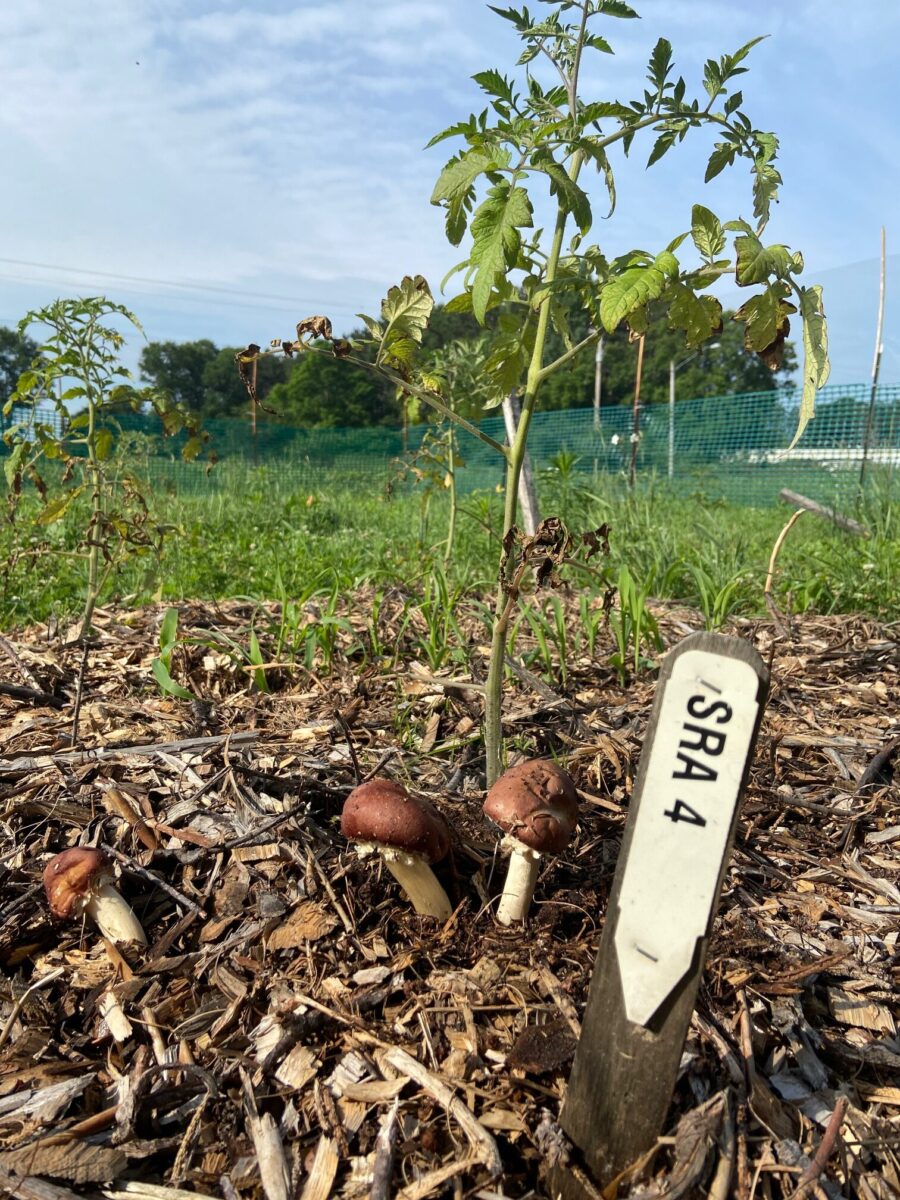
Here’s another example: Imagine you’re an aquaculture farmer and you want to test if a water additive will improve how many fish eggs survive during shipping. You set up the experiment by placing the eggs in the shipping containers and adding varying amounts of the additive to each one. You control the amount of additive in each container of eggs, so that’s the independent variable. The percentage of eggs still alive in each container after shipping depends on the effects of the additive; therefore it’s the dependent variable. Your hypothesis in this case is that the percentage of eggs that survive will go up as the amount of additive goes up.
Lesson Adaptation for Engineering Projects
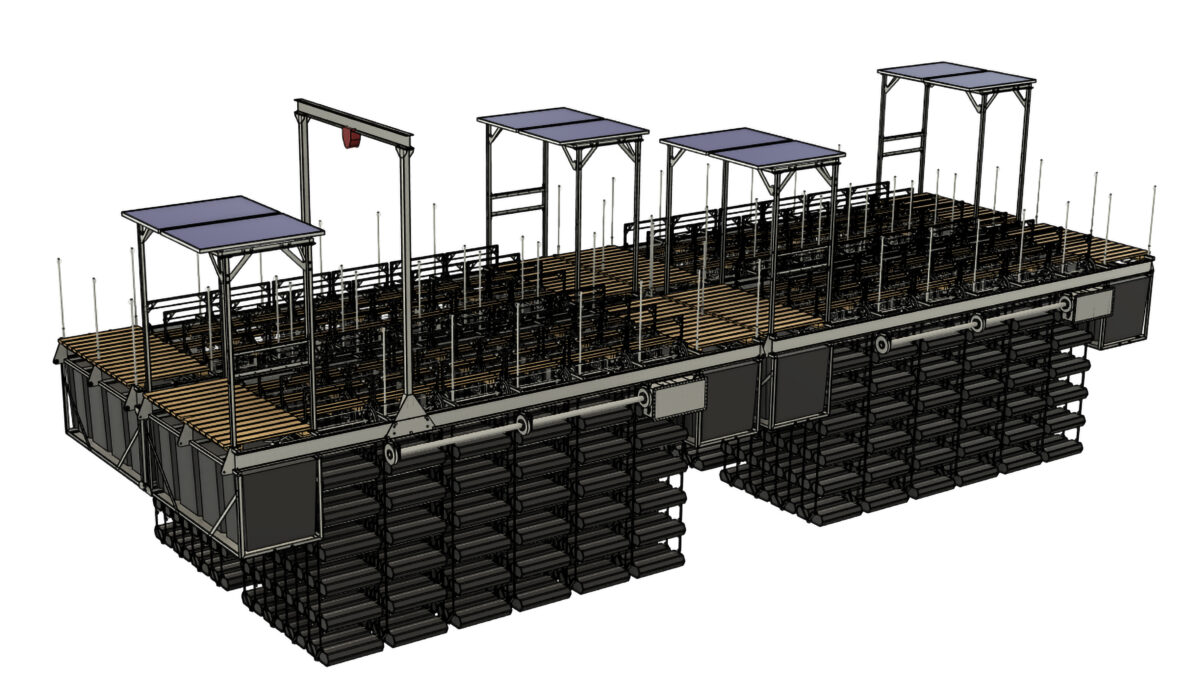
Engineering projects focus on creating a solution that “works.” It’s almost as if your hypothesis is that your design will do the job required, where previously existing solutions didn’t. For this type of project, defining your objective means setting the criteria for how you’ll determine if your efforts have been successful. To solve the problem you identified, what exactly does your invention need to be able to do?
Express the criteria for success in specific, quantitative terms. For example, if you have an idea for how to remove moisture in stored berries to slow spoilage, success would be demonstrated by both a decrease in relative humidity in the storage container, and an increase in the number of days that pass before spoilage occurs.
Lesson Adaptation for Observational Research
While observational research doesn’t require a hypothesis or benchmarks for success, getting specific about what you hope to learn is still important. In fact, while it isn’t necessary, you can also view observational research in terms of independent and dependent variables. For example, if your observations relate to understanding peoples’ taste preferences across generations, you could view the age of survey respondents as an independent variable, and what you want to learn about their changing preferences is like a dependent variable. Think about how to quantify your question in these terms.
Assignment
- For an experiment, state your hypothesis. To give context, start by quickly summarizing the project.
Example: I plan to test the effectiveness of a parasitic wasp in controlling a specific species of caterpillar causing damage to my broccoli crop. As soon as I see a full hatch of caterpillars, I plan to install several large screen enclosures and introduce the wasps into some of them. My hypothesis is that the plants in enclosures containing the wasps will exhibit less damage from caterpillars than the plants without wasps. The wasps are my independent variable, and caterpillar damage to plants is my dependent variable.
- For observational research, state what you hope to demonstrate. To give context, start by quickly summarizing the project.
Example: I want to do a better job of managing weeds. In order to do that, I need to learn about the timing of life stages of the weeds on my farm. To get this information, I’ll walk transects on my farm every week throughout the growing season, recording weed species and growth stages. My objective is to construct a timeline of the growth stages of important weed species, which I hope will help inform my weed management decisions in the future. The dates I choose for scouting represent my “independent variable,” and the data I record about weed growth are my “dependent variables.”
- For an engineering project, start by quickly summarizing the project to give context. Then, describe in quantitative detail the criteria for success. If appropriate, contrast this with the situation you’re facing without your solution available.
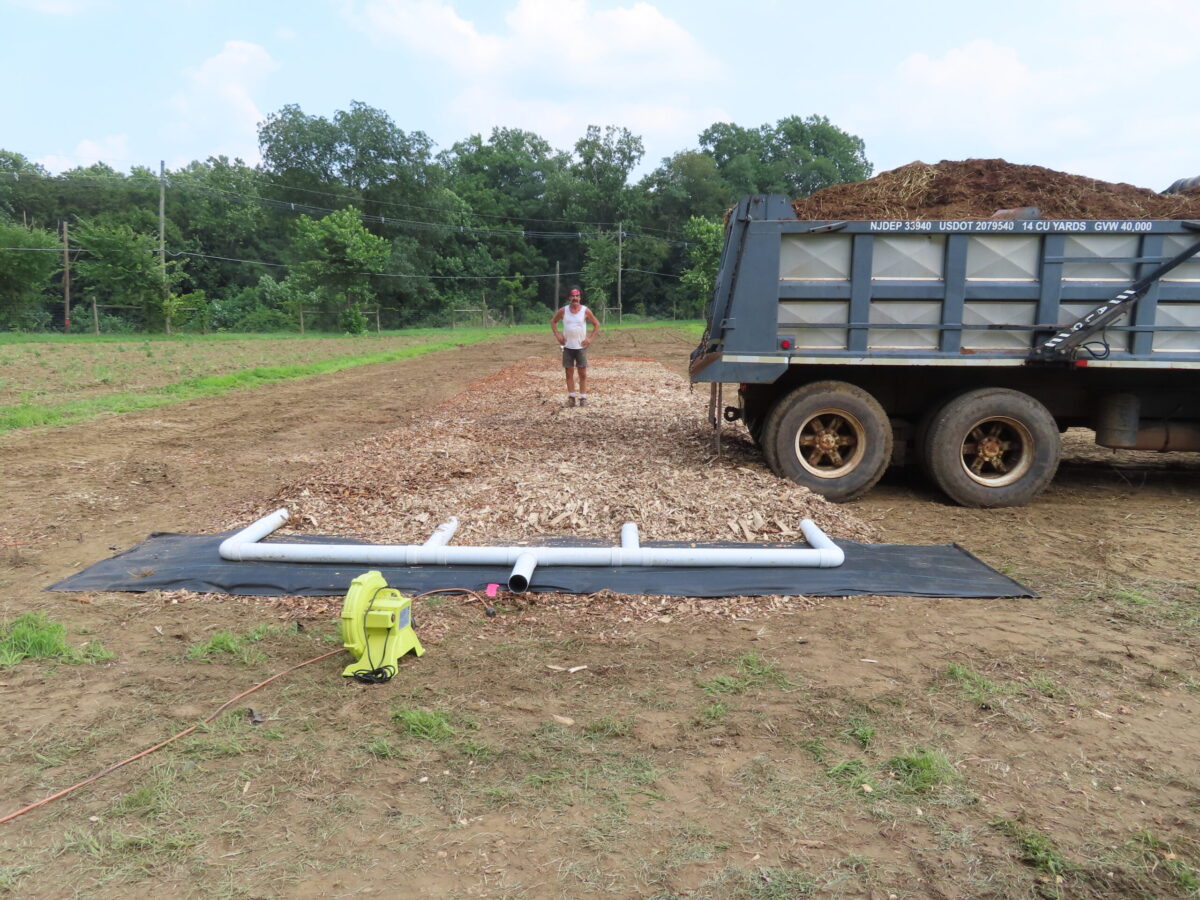
Example: My objective is to develop a screen system to clean camelina seed, one that’s capable of removing pennycress seed as well as hulls and chaff. I will consider my project a success if I can achieve output with at least 95% pure camelina seed from a sample that has at least 15% contamination by pennycress seed. With the currently available screen system, the best I have achieved is 76% purity. My “independent variable” would be the configuration of my screen system that I think can improve purity (e.g., the number of screens and mesh size), and my “dependent variable” is the level of purity that different configurations achieve.
- For experimental research, answer the following questions. Remember that doing so for engineering and observational projects isn’t necessary, but can be helpful:
- What is/are the independent variable(s)?
- What is/are the dependent variable(s)?
Assignment Self-Evaluation
- Does your hypothesis or research objective meet all of these criteria?
- Look back at your work from the previous two lessons. If you meet your new research objective or support your hypothesis, will it provide an answer to your initial question (or the beginning of an answer), or represent a step toward a solution to your problem? Please explain.