Showing 31-40 of 53 results
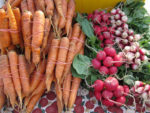
Walk-In Coolers for Winter Storage
Resources for farmers interested in on-farm winter storage options for season extension. Each resource offers a case study for a specific facility construction, and both outline important considerations for a winter storage facility.
Expanding Winter Harvest and Sales for New England Vegetable Crops
This University of Massachusetts website offers resources on winter vegetable crop storage, marketing and low-cost season extension through structures such as hoop houses and low tunnels.
Food Hubs: The Next Evolution in Local Markets?
If you think the local foods movement is just a fad, think again. For the first time, the U.S. Department of Agriculture has included restaurants and grocery store sales in its local food markets survey, and the sales are hard to ignore: nearly $5 billion a year in fruits and vegetables from local farmers. That […]
Mount Pleasant Local Food and Farm Assessment
An assessment of the needs and opportunities associated with developing a regional food system.
Sustainable Food Systems for Georgia’s Agrarian Future
This report analyzes the need for food hubs in Georgia to help facilitate a regional food system.
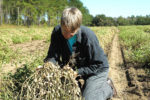
Farmer/Researcher Team Makes Organic Peanut Breakthrough
In 2007, Georgia organic grower Relinda Walker produced a historic crop of peanuts. The bounty—6,000 pounds grown on two acres—was significant because it represented the first crop of certified organic peanuts raised in the Southeast. Even though the Southeast produces 79 percent of the country’s peanuts, more than 99 percent of organic varieties are raised […]
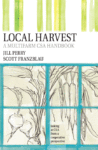
Local Harvest
Local Harvest: A Multifarm CSA Handbook offers straightforward guidance on cooperative marketing, an innovative practice that is helping CSAs stay strong and viable over the long term.
How to Begin Your Small Farm Dream
This plain language guide is for people who want to start a small farm. It covers skills you need to start a small farm; risks and rewards of farm ownership; financial resources; creating a business plan; and marketing.
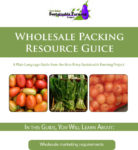
Wholesale Packing Resource Guide
This plain language guide is for farmers and ranchers interested in selling to supermarkets, produce distributors, restaurants and institutions.
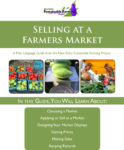
Selling at a Farmers Market
This plain language guide guide explains how to begin selling at a farmers' market, including choosing a market, applying for space, designing displays, setting prices, making sales and keeping records.