The educational materials listed on this page are about Crop Rotation.
Crop rotation is an important part of any sustainable cropping system. As you develop a crop rotation plan, seek out crop rotation guides and examples, which will help you maximize the benefits of crop rotation. For example, see SARE’s Crop Rotation on Organic Farms: A Planning Manual, which includes in-depth information about the advantages of crop rotation and real-world examples of vegetable crop rotation plans and crop rotation charts. Another useful resource is the SARE topic brief Cover Crops for Sustainable Crop Rotations, which summarizes the usefulness of rotating cover crops in any cropping system.
Crop rotation can be employed in many types of cropping systems, including vegetables, agronomic crops, livestock and organic. There are many benefits and advantages of crop rotation: a careful crop rotation plan supports ecological pest management, improves soil health, and helps with nutrient management and soil fertility management, among other benefits. Carefully planned rotations including forage crops and cover crops can improve the sustainability of dairy farming systems. Learn more from the SARE fact sheet Alternative Continuous-Cover Dairy Forage System for Profitability, Flexibility and Soil Health.
Showing 1-10 of 35 results

2025–2026 Report from the Field
In Recognition of Farmers and Ranchers SARE has been around for nearly 40 years, and the impacts that our grant and outreach programs have had on the sustainability of U.S. agriculture are because of one simple thing: Farmers and ranchers are at the center of everything we do. SARE is afunding sourcefor producers.It’s designed forproducers, […]
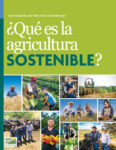
SARE's What is Sustainable Agriculture? Now Available in Spanish
SARE’s What is Sustainable Agriculture? bulletin and companion animated series are now available in Spanish! ¿Qué es la Agricultura Sostenible? features short, translated primers of proven sustainable practices that can be used to complement more detailed training materials. The companion animation series highlights some common practices farmers and ranchers use to improve profitability, quality of […]
2023–2024 Report from the Field
SARE grants havehelped our viabilityas a business anddemonstrated thatsmall businessescan make a positiveimpact on theenvironment when wedevelop relationshipswith each other forthe benefit of all. Jeanine SeabrookGlass Rooster Cannery Letter from the Director I have always appreciated the value of long-term research as well as the long-term impact of both applied and basic research. The core […]
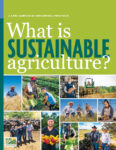
What is Sustainable Agriculture?
This award-winning report provides a sampler of best practices in sustainable agriculture—from marketing and community vitality to cover crops and grazing—as well as eight profiles of producers, educators and researchers who have successfully implemented them.
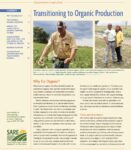
Transitioning to Organic Production
Transitioning to Organic Production lays out many promising conversion strategies, covering typical organic farming production practices, innovative marketing ideas and federal standards for certified organic crop production.
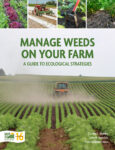
Manage Weeds on Your Farm: An Ecological Approach
SARE’s newest book, "Manage Weeds on Your Farm: A Guide to Ecological Strategies," examines the biology and behavior of common weeds and provides an integrated set of non-chemical control strategies that exploits their weaknesses.

Soil Health Principles and Practices Videos
Experienced farmers and Sustainable Agriculture Research and Education (SARE) provide information on managing and improving soil health. Farmers discuss practices such as cover cropping, and using mulch and compost to improve soil health.
Manage Weeds On Your Farm
Manage Weeds on Your Farm is a definitive guide to understanding agricultural weeds and how to manage them efficiently, effectively and ecologically—for organic and conventional farmers alike.
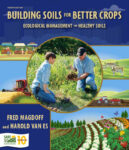
Building Soils for Better Crops
The fourth edition of Building Soils for Better Crops—enhanced and expanded—explains how to use ecological principles to build soil health and boost fertility, yields and overall sustainability.
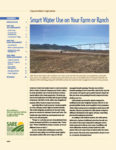
Smart Water Use on Your Farm or Ranch
As producers throughout the nation grow increasingly concerned about water scarcity, farmers, ranchers and agricultural educators are beginning to explore new, conservation-oriented approaches to water use.