The educational materials listed on this page are about Pest Management.
Producers must control a wide range of insect, weed and disease pests that can disrupt the healthy growth of crops. Given increasing resistance to chemical control methods (including organic pesticides and natural pesticides) farmers are increasingly adopting multifaceted strategies to keep pests at bay. These strategies include the biological controls and cultural controls featured in integrated pest management (IPM) as well as traditional chemical and physical controls. Integrated pest management (IPM) uses a range of ecological strategies to prevent pest damage and resorts to the use of pesticides only when monitoring indicates such action is required to avoid economic loss. Whole farm pest management systems build upon the biological pest control approach of IPM systems by integrating ecological pest management practices into all aspects of crop production. Soil organic matter and nutrient management, tillage, crop rotation and field boundaries, borders and buffers all play an important role in both increasing crop pest resistance and reducing pest pressures. Weed control is a challenge on all types of farm operations. A successful weed management plan will vary depending on the type of operation and whether it is conventional or organic. Helpful practices in an integrated weed management plan may include chemical weed control (conventional and organic herbicides), the use of mulches (living mulch or cover crops, killed mulches, plastic mulch), tillage or cultivation, crop rotation, and more novel techniques such as soil solarization or using geese or goats for weed control.
SARE’s Manage Insects on your Farm addresses the principles of ecological pest management. A Whole Farm Approach to Managing Pests provides tips for designing whole-farm pest management solutions. Managing Cover Crops Profitably, Crop Rotations on Organic Farms and Steel in the Field also provide helpful insights into the roles cover crops, rotations and tillage can play in pest management.
Farmers need to understand disease management on the farm to employ effective plant disease control methods. Becoming familiar with crop diseases means utilizing myriad effective strategies to prevent and control diseases. Various integrated management practices control the spread of disease including biological control, physical control and cultural control. Chemical control may include synthetic fungicides, while organic producers rely on an organic fungicide or other natural fungicide to aid in crop protection. For example, disease management in tomatoes, which are susceptible to many diseases, includes the use of resistant cultivars, sanitation, sound cultural practices and fungicide for tomatoes. While there are many chemicals available for different crops, such as fungicide for grass or soybean fungicides, holistic or integrated approaches to disease management are also important tools for effective plant disease control. Key practices include integrated crop and livestock systems, crop rotation, utilizing disease resistant varieties and cultivars, cultural control, biological control, physical control, chemical control, and prevention.
Showing 1-10 of 73 results
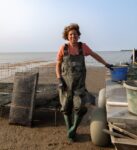
Reducing Pest Damage and Increasing Profitability for Delaware Bay Oyster Farmers
Lisa Calvo of Sweet Amalia Oyster Farm wanted to find a better way to manage mud worms, a costly shellfish pest common to the coastal Northeast.
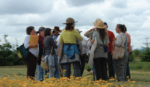
Redefining Learner-Centered Education to Build High Impact IPM Partnerships
Engaging farmers as self-directed learners and co-educators can improve the effectiveness of extension trainings.
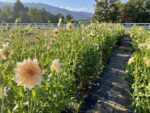
Promoting Soil Health for Cut Flower Production
With support from a Western SARE Partnership grant, Melanie Stock of Utah State University partnered with cut flower farmers to explore sustainable fertilization practices for dahlia production.
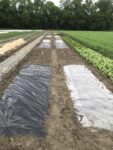
Impacts of Silage Tarps on Soil Arthropods, Soil Properties and Crop Yields
Tarps dramatically reduced weed cover (around 30% weed cover in tarped plots versus 90% in control plots) and doubled crop yields.
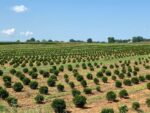
Biofumigants for Sustainable Soilborne Disease Management in Nursery Production
In Tennessee, innovative research into biofumigant cover cropping practices has provided nursery producers with new options for managing diseases while reducing workers’ exposure to chemicals.
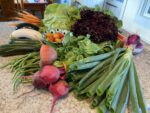
New from SARE: Farmer-to-Farmer Manuals on Specialty Crop Production, Harvest and Storage in the Northeast
The Northeast Crop Production Manual and Northeast Harvest Manual are user-friendly guides offering step-by-step information on growing, harvesting and handling dozens of specialty crops.
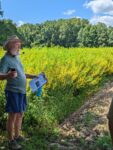
Producer-Driven Research Finds Wood Chip Mulch Conserves Moisture and Improves Production Efficiency
In Virginia, using chipped wood for mulch can help manage weeds while increasing yield and cutting irrigation costs.
On-Farm Research Advances Cost-Effective Weed Management Practice on Guam
Guam’s farmers often rely on hand weeding or gas trimmers to control fast-growing weeds in citrus, papaya and pepper crops. These methods can be expensive and time consuming, so one innovative farmer is instead trying sheet mulching as a cost-effective method to control weeds. Sheet mulching involves layering various sources of organic waste materials on […]
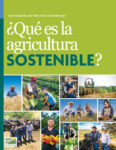
SARE's What is Sustainable Agriculture? Now Available in Spanish
SARE’s What is Sustainable Agriculture? bulletin and companion animated series are now available in Spanish! ¿Qué es la Agricultura Sostenible? features short, translated primers of proven sustainable practices that can be used to complement more detailed training materials. The companion animation series highlights some common practices farmers and ranchers use to improve profitability, quality of […]
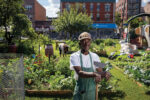
New SARE Bulletin: Best Practices for the Sustainable Urban Farm
For decades, urban farms and community gardens have helped meet demand for fresh and local produce. Urban farming creatively utilizes limited space, conserves land and transforms vacant lots or buildings into productive greenspaces. Farming in cities can be a rewarding way for communities to grow healthy food while receiving a wide range of other interrelated environmental, […]