The educational materials listed on this page are about Nutrient Management.
A nutrient management plan is used to manage the application of plant nutrients and soil amendments. Integrated nutrient management may include utilizing variable rate application, soil inoculants, microbial inoculants, biologicals, foliar feeding and proper fertigation techniques and fertigation systems. An understanding of nutrient cycling can also aid in budgeting and supplying nutrients for plant production, while minimizing soil and water pollution. Farmers can harness the power of the nitrogen cycle by using organic fertilizer and manure to supply plant nutrients. Careful nutrient management can also improve the overall condition of soil, especially if your plan includes cover crops. Key practices include biological inoculants, nutrient cycling, fertigation, organic fertilizers, reduced applications, foliar feeding, municipal wastes, cover crops.
Building Soils for Better Crops, a book offered by SARE, helps farmers navigate ecological soil management strategies. A useful bulletin, Smart Water Use on your Farm or Ranch, addresses the role of water in a farm system and in nutrient management. The Season Extension: Fertility Management Topic Room helps producers gain knowledge of effective and proper fertility management techniques, including fertigation, to improve nutrient cycling on a farm. What is Sustainable Agriculture? provides information on best practices the encourage the stewardship of land, water and air resources.
Showing 1-10 of 33 results

Promoting Soil Health for Cut Flower Production
With support from a Western SARE Partnership grant, Melanie Stock of Utah State University partnered with cut flower farmers to explore sustainable fertilization practices for dahlia production.
Research and Education Reveals Sustainable Cost-Cutting Option for Forage Production
Bermudagrass has long served as a cornerstone forage for hay production and livestock grazing in the Southeastern United States, but nitrogen fertilizer used in its production is a costly input that can pose risks to soil, water and air quality. In response, Auburn University’s Dr. Leanne Dillard spearheaded a Southern SARE Research and Education grant […]
What is Sustainable Agriculture?
This award-winning report provides a sampler of best practices in sustainable agriculture—from marketing and community vitality to cover crops and grazing—as well as eight profiles of producers, educators and researchers who have successfully implemented them.
Building Soils for Better Crops
The fourth edition of Building Soils for Better Crops—enhanced and expanded—explains how to use ecological principles to build soil health and boost fertility, yields and overall sustainability.
Smart Water Use on Your Farm or Ranch
As producers throughout the nation grow increasingly concerned about water scarcity, farmers, ranchers and agricultural educators are beginning to explore new, conservation-oriented approaches to water use.
Cover Crop Economics Report Now Available in Print
Cover Crops Offer Options in Wet Soil As more farmers across the nation begin to incorporate covers into their rotations, they find that this valuable conservation practice pays in more ways than one. Many farmers in states suffering from oversaturated fields that prevented or delayed planting are considering cover crops. To help farmers evaluate the […]
When Do Cover Crops Pay? New USDA-SARE Report Addresses the Question
Farmers around the country are planting cover crops on millions of acres to protect and improve the soil, and the more that farmers use cover crops, the more they value this conservation practice. Cover Crop Economics, a new report published by USDA-SARE looks at the economics of cover crops to help farmers answer that big […]
Cover Crop Economics
Cover crops can build soil health, control weeds, conserve moisture, provide grazing opportunities and more. But when do they start to pay for themselves? This analysis looks at the economics behind different management scenarios to determine if cover crops are likely to improve profitability in one, three or five years of use in corn and soybean rotations.
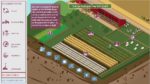
What is Soil Health?
Soil health plays an essential role in raising healthy, productive crops and livestock. With this interactive infographic, learn how practices such as cover crops, no-till, crop rotation and the integration of livestock work in concert to improve soil health.

Economic and Environmental Aspects of Cover Crops
Economics of Cover Crops Business Opportunities with Cover Crops and Soil Health Environmental Impacts of Cover Crop Systems