The educational materials listed on this page are about Energy Conservation/Efficiency.
The conservation of farm energy is important to both its environmental and economic sustainability. For example, efficiency on the farm is particularly important during colder months in order to reduce greenhouse energy use for vegetable farmers. Likewise, farmers growing row crops may find that fuels used to run equipment cut into the cost of production. Agricultural efficiency can be achieved by conducting a farm energy audit to determine the best ways to cut down on energy use. SARE’s resources can help you determine the best ways to increase efficiency on your farm. Key practices include byproduct utilization, bioenergy and biofuels, biodiesel, biofuel feedstocks, energy use and consumption, energy conservation/efficiency, renewable energy, solar energy, wind power, geothermal.
SARE’s book Building a Sustainable Business helps farmers build both a sustainable and profitable business plan that includes renewable energy and biofuel. The SARE bulletin Clean Energy Farming: Cutting Costs, Improving Efficiencies, Harnessing Renewables helps farmers utilize clean energy practices on their operations, which may include utilizing byproducts for biodiesel production and other renewable fuels. The Farm Energy Audits section of the E3A: Energy Education for Producers curriculum includes information on many operational areas that can see improved agricultural efficiency through the use of a farm energy audit, including equipment, grain drying, irrigation and livestock watering systems, the farm shop, livestock buildings and more. The Farm Energy Topic Room provides a wealth of information on clean energy topics, including biodiesel, farm energy audits, solar and wind energy, and more.
Showing 1-10 of 16 results
What is Sustainable Agriculture?
This award-winning report provides a sampler of best practices in sustainable agriculture—from marketing and community vitality to cover crops and grazing—as well as eight profiles of producers, educators and researchers who have successfully implemented them.
Northeast Farm Energy IQ
Farm Energy IQ offers free information to help farmers enhance operational sustainability in the context of the farm economy and ecosystem.
Integrating Traditional Foods with Aquaponics in the Desert Southwest
The Challenge Cochise County, Arizona, where Aaron Cardona’s Arevalos Farm is located, is classified by the USDA as a food desert with high poverty rates, as well as high rates of diabetes and obesity. To help confront these problems, Cardona decided to look into aquaponics, which had not been experimented with in the desert regions […]
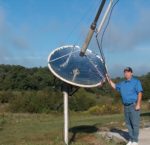
From Fruit to Fuel
As tree fruit growers know well, annual harvests do not remove all the fruit from the orchard. A great deal is left behind littering the orchard floor. While pondering his fruit waste problem, Dan West of Macon, Mo., who grows apples, peaches, apricots, nectarines, plums and pears, hit upon a novel approach: Why not turn […]
The Sustainability of Biofuel Fact Sheet Series
This 18-part series addresses topics related to the sustainability of biofuel production, including biodiversity, greenhouse gas reductions, life cycle analysis and more.
Exploring Energy Efficiency and Alternatives Curriculum
According to Sarah Hamlen, Montana State University Extension, and Milton Grieger, University of Wyoming Extension, Western producers’ profitability is closely linked to the consumption and production of energy resources. Decisions made by these producers on energy issues have long-term implications for the sustainability of agricultural production, they assert. To increase producers’ knowledge of energy issues, […]
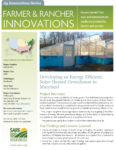
Developing an Energy Efficient, Solar-Heated Greenhouse in Maryland
This project investigated the effectiveness of energy-efficient greenhouse design and the ability of water-heating solar panels to heat a greenhouse as a propane alternative.
Educational Curricula and Professional Development Training for Energy Efficient Production Practices
In response to the shift in some crop acres from providing food and fiber to an increased emphasis in energy farming, concerns have been raised about potential problems from crop monocultures or high rates of residue removal. David Clay’s long-term goals for his project were to increase producers’ awareness of the importance of determining costs […]
Greenhouse Energy Conservation Strategies and Alternative Fuels
Many greenhouse growers are looking for options to reduce their energy costs, but they don’t always understand which options will provide the greatest return on investment. For his project, Scott Sanford developed curriculum materials, extension bulletins, resource lists, and a spreadsheet model for educators to use for delivering programming on energy management and conservation for […]
Storage and Utilization of Ethanol Co-Products by Small Cattle Operations
While perennial biomass crops have both environmental and energy benefits over corn ethanol, there are limited commercialscale facilities utilizing biomass feedstocks for liquid fuel production. The expansion of corn ethanol has provided Nebraska with several million tons of animal feeds from ethanol co-products annually. According to Francis John Hay, these ethanol co-product feeds have excellent […]