Showing 1-10 of 200 results
New SARE Bulletin: No-Till Bed Transitions for Vegetable Crop Rotations
SARE’s newest bulletin, No-Till Bed Transitions for Vegetable Crop Rotations, offers tips for managing bed transitions for farmers who use crop rotations and no synthetic herbicides.
New SARE Handbook: Cover Crops: Improving Soil Health, Stewardship and Profitability on the Farm
SARE’s Cover Crops: Improvising Soil Health, Stewardship and Profitability on the Farm helps farmers improve their understanding of how cover crops can fit into their operations.
2026 National Cover Crop Report Shows Continued Expansion of Cover Crop Use
Results of the 2026 National Cover Crop Survey released today at the Farm Progress Show indicate strong interest in cover crops among many farmers who produce a wide range of crops and livestock.
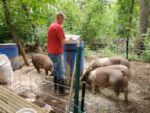
Turning Woodlots into Revenue Streams with Silvopasture
Charles Lafferty, of Skyline Pastures in Morshville, Penn., saw potential in the wooded section of his family’s 12-acre farm.
No-Till Bed Transitions for Vegetable Crop Rotations
A guide on transitioning from one vegetable crop to the next without the use of tillage.
Cover Crops
An in-depth book on how to use cover crops with success.
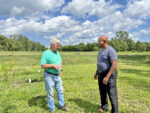
Using Cover Crops in Wide Row Corn
Iowa farmer Bob Recker challenged conventional thinking by asking whether wider corn rows could allow cover crops to thrive without sacrificing farm profitability.

Promoting Soil Health for Cut Flower Production
With support from a Western SARE Partnership grant, Melanie Stock of Utah State University partnered with cut flower farmers to explore sustainable fertilization practices for dahlia production.
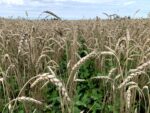
2025/2026 National Cover Crop Survey Is Now Open for Farmer Input
Farmers across the U.S.—whether they use cover crops, formerly used them, or have never planted covers—are invited to share their insights on cover crops in the National Cover Crop Survey.

Ancestral Mexica Farming: A Comparative Yield Analysis
In north central Kansas, farmers lack a selection of high-quality, nutrient-dense varieties of flour seed corn that meet the needs of local markets. When more nutritious ancestral seed varieties are available, it’s important to understand how to use modern production practices to improve their yield and production efficiency.