Showing 121-130 of 220 results
Integrating Traditional Foods with Aquaponics in the Desert Southwest
The Challenge Cochise County, Arizona, where Aaron Cardona’s Arevalos Farm is located, is classified by the USDA as a food desert with high poverty rates, as well as high rates of diabetes and obesity. To help confront these problems, Cardona decided to look into aquaponics, which had not been experimented with in the desert regions […]
Water Management in Sonoma County Grape Production
The Challenge As in all of California, water is a scarce resource in Sonoma County, a region in Northern California with more than 400 wineries and almost 60,000 acres of vineyards. Wine grape growers face increasing competition for water from different interests, various regulations, and a need to protect threatened and endangered salmonids found in […]

Improving Nutrient Use Efficiency in Montana Wheat
"This was a landmark study because we knew we were losing nitrogen, we just didn't know how we were losing it," says farmer Curtis Hershberger. When nitrogen fertilizers are applied to the soil surface using certain application practices, a significant amount can be lost when the nitrogen converts to ammonia gas and enters the atmosphere. […]
Is Fish Waste Compost Worth the Mess and Effort?
A South Carolina farmer discusses the results of using fish waste compost in vegetable production.
Ecological Management of Key Arthropod Pests in Northeast Apple Orchards
Apples are an important crop in the Northeast, grown for both fresh market and processing. Growers have a challenging task managing insects, mites and diseases. By some estimates, growers may spend up to 25 percent of their production costs on pest management. This technical bulletin outlines strategies developed from SARE-funded projects in Massachusetts and Pennsylvania, including biologically based pest control, orchard architecture and development of materials approved for organic production.
Berry Soil and Nutrient Management Guide for Educators and Growers
This manual has been designed as a comprehensive guide for educators and commercial berry growers interested in improving berry crop soil and nutrient management.
High Tunnels and Other Season Extension Techniques
From low covers to high tunnels, from hoop houses to greenhouses—producers are finding ever more innovative ways to extend the growing season, and their income stream.
Cover Crops for Sustainable Crop Rotations
Cover crops are one of the best ways to improve soil health, reduce off-farm inputs and protect natural resources. Find a wealth of educational materials developed out of decades of SARE-funded cover crop research.
Farm to Table: Building Local and Regional Food Systems
More and more, farmers, ranchers, ag professionals, community organizers and others are striving to reconfigure the nation's food system so more value stays in food-producing communities.
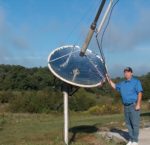
From Fruit to Fuel
As tree fruit growers know well, annual harvests do not remove all the fruit from the orchard. A great deal is left behind littering the orchard floor. While pondering his fruit waste problem, Dan West of Macon, Mo., who grows apples, peaches, apricots, nectarines, plums and pears, hit upon a novel approach: Why not turn […]