Showing 91-100 of 108 results
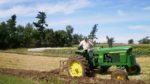
Energy Independence: On-Farm Biodiesel Fuel Production
Roger Rainville is ahead of the curve when it comes to reducing costs on his farm near Alburgh, Vt. He’s currently producing biodiesel from canola and sunflower for about $1.70 a gallon.
Growing Biodiesel Crops: A Couple of Tips
In this short video, Rainville describes his philosophy for trying something new on your farm. It’s all about making the most of the learning curve.

Cover Crops and No-Till Management for Organic Systems
This Rodale Institute fact sheet reviews the use of cover crops and no-till in organic systems, including selection, establishment and mechanical termination of cover crops; crop rotations; and energy and production budgets.
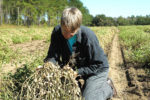
Farmer/Researcher Team Makes Organic Peanut Breakthrough
In 2007, Georgia organic grower Relinda Walker produced a historic crop of peanuts. The bounty—6,000 pounds grown on two acres—was significant because it represented the first crop of certified organic peanuts raised in the Southeast. Even though the Southeast produces 79 percent of the country’s peanuts, more than 99 percent of organic varieties are raised […]
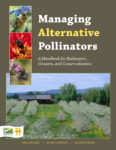
Managing Alternative Pollinators
Managing Alternative Pollinators: A Handbook for Beekeepers, Growers and Conservationists is a first-of-its-kind, step-by-step, full-color guide for rearing and managing bumble bees, mason bees, leafcutter bees and other bee species that provide pollination alternatives to the rapidly declining honey bee.
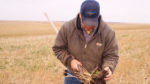
Adding Cover Crops to a No-Till System
South Dakota farm manager Dan Forgey has improved soil quality and the bottom line by successfully introducing cover crops to his long-term no-till system.
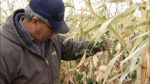
Growing Cover Crops with a Cash Crop
Dan Forgey describes how he grows cover crop mixes in synch with a cash crop of corn, and gets strong yields without chemical fertilizer.

No-Till Farmer: Steward of the Land
Dan Forgey has farmed for 40 years based on the belief that if you take care of the land, it will take care of you, evidenced by his commitment to no-till, cover crops and crop diversity.
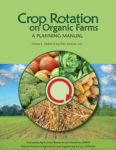
Crop Rotation on Organic Farms
Crop rotation strategies that can be applied under various field conditions for conventional or organic crops to improve soil quality and health, and manage pests, diseases, and weeds
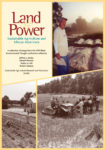
Land and Power
Renowned experts' articles, essays and poems offering historical and contemporary Black perspectives on sustainable agriculture.