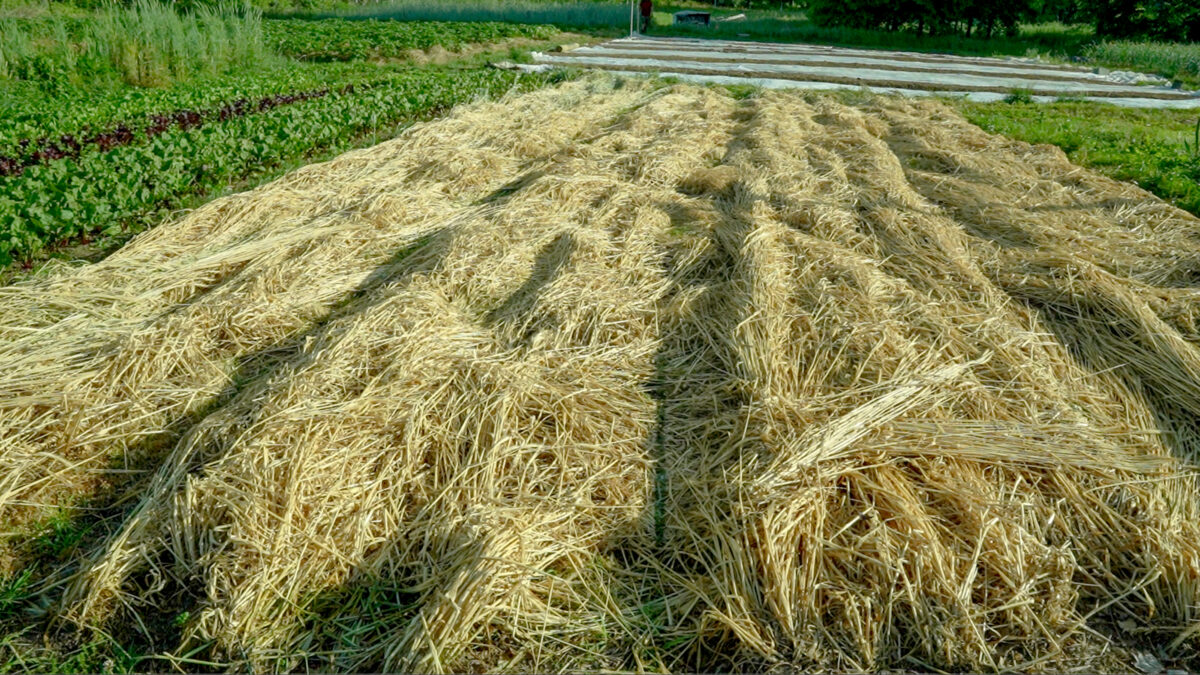
Transitioning from a cover crop to a cash crop can be complicated, depending on the scale. Although this is a bigger topic than we can fully cover here, there are some basic techniques that growers can use to terminate winter hardy cover crops and plant cash crops rapidly and successfully.
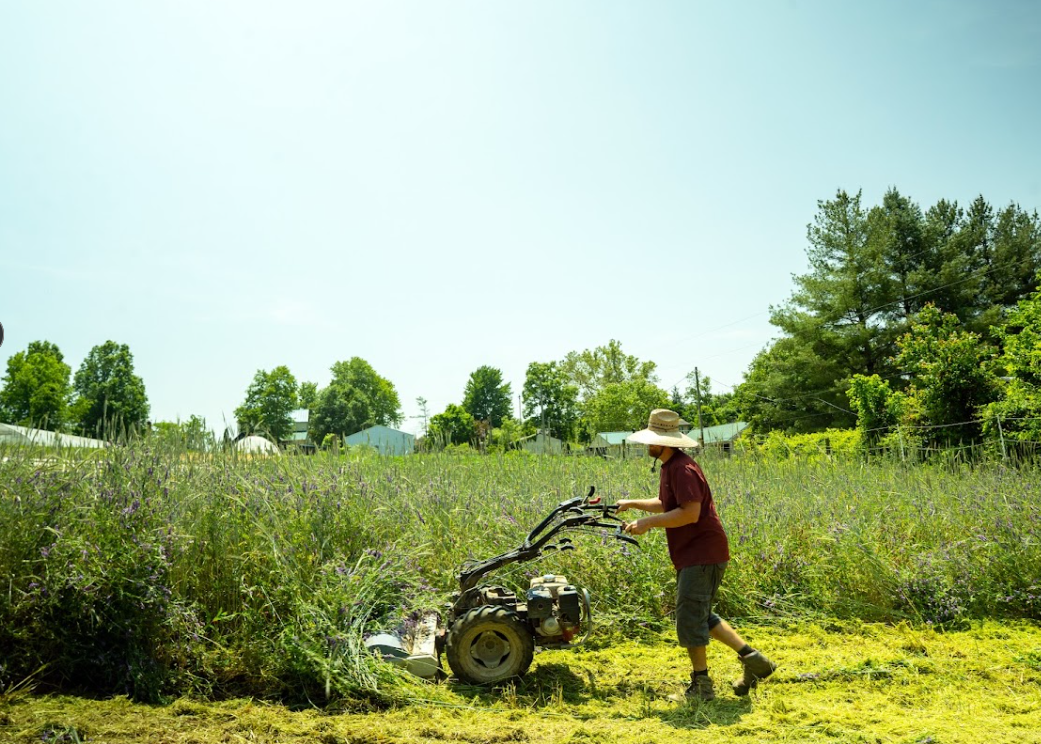
First, to achieve the best results with them, cover crops require excellent soil preparation, the right seed selection, and good conditions for both germination and growth. Weeds can become an issue if you haven’t managed them well before you plant a cover crop. If the cover crop doesn’t thrive, the next crop won’t either, so you should treat cover crop plantings like cash crop plantings to ensure success and adequate biomass.
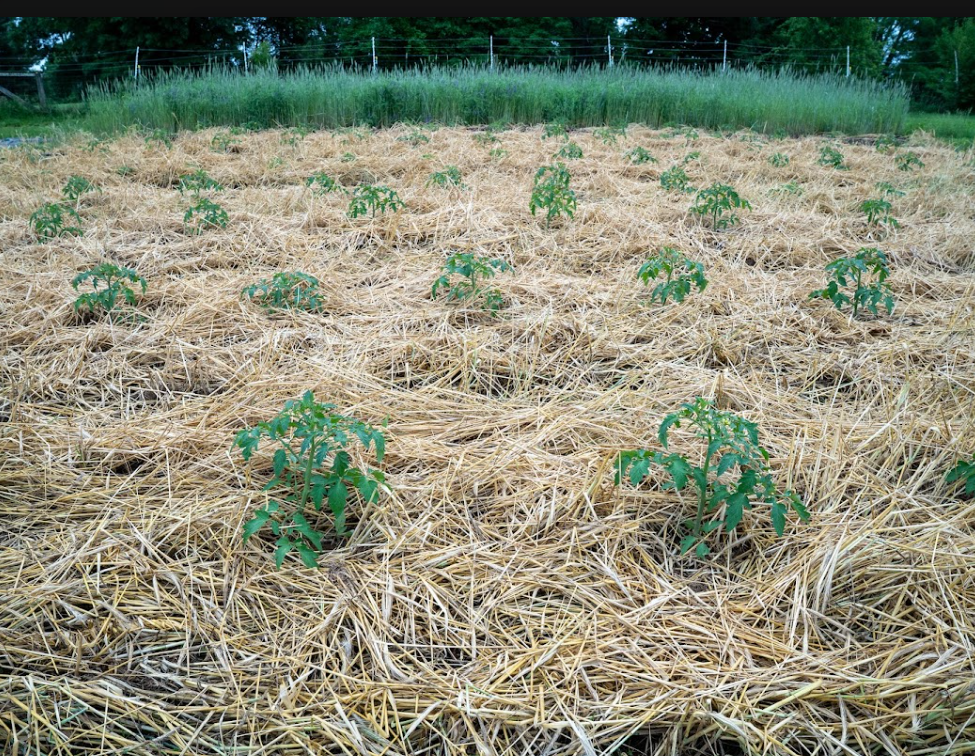
Also, it’s important to note that the cover crop must die in order to plant another crop into it. Whatever cash crop you aim to plant into that area shouldn’t have to compete with the cover crop for water, light, and nutrients. Rather, the cover crop should slowly be offering its nutrients to the cash crop over the season, as it decomposes.
This concept is also true when planting a cover crop in a relay planting. Although the young cover crop will not be offering nutrients yet, you will want to time its planting so that it does not grow too quickly and overcrowd the cash crop during its most productive period.
Here are a few common methods for terminating cover crops, along with considerations for planting a spring crop into their residue.
Winter-Killed Cover Crops
Assuming you have the right climate for it, selecting cover crops that will winter-kill can be a straightforward option. As long as the winter-sensitive crop was planted early enough to produce sufficient biomass, it will die and mulch the surface over the winter. Aim for a planting date of roughly 3–4 weeks before the first frost, but you may need more time in a cooler climate or less time in a warmer one. In the spring, the resulting mulch can simply be raked aside and planted without much need for soil preparation or fertilization, depending on the crop. Field peas and oats are the most common combination for winter termination, though above zone 6, oats may not reliably terminate during the winter. Neither crop will reliably terminate in areas that don’t reach 28ºF or below multiple times in a winter. If a pea cover crop doesn’t terminate, mowing it low to the ground similar to other crops can be adequate, making it a low-risk winter cover crop, even in slightly warmer regions.
Tarping
On a small scale, it’s relatively easy to smash down a cover crop in late spring or mid-season using whatever is on hand, such as a barrel, fencepost, a t-post strapped to your feet, etc., and then cover it with a black tarp for a few warm weeks to terminate it. The cover crop should be smashed all in the same direction, and laid flat against the ground as much as possible so that its residue is easier to manage and seed into.
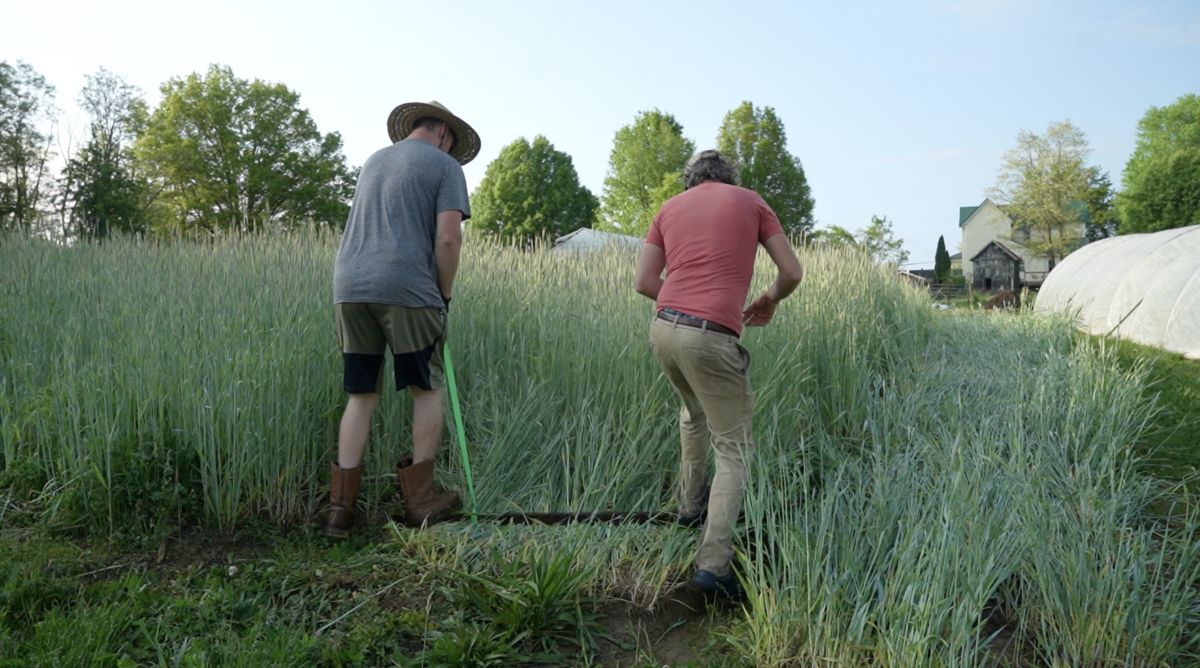
When using a tarp, the cover crop will die off after a few warmer weeks, then larger plants like eggplant, tomatoes, or peppers can easily be inserted into holes dug in the cover crop residue. You can also mow the cover crop before tarping it, which can give a slightly better mulching effect. This is because mowing spreads out the mulch more uniformly rather than laying it flat, where gaps can allow for weeds to emerge. Importantly, if the weather is cold or the sun isn’t out, the tarp won’t be as effective as it will be in warm conditions.
There are a few other potential downsides to consider with tarping. The time a plot spends under a tarp represents a gap in production, just like tilling a bed and waiting for residue to decompose. Also, while tarping can be an effective practice on a smaller scale, at larger scales, it can become unreasonable from both an economic and environmental standpoint due to the amount of plastic required.
Roller Crimpers
The roller crimper is another way to terminate some cover crops, such as a winter hardy rye. However, timing is critical: The cover crops should be fully at flowering stage for the crimping to be effective. Every cover crop is a little different, but flowering is when the crop is most vulnerable to termination through crimping. This is because their stems are easier to break. The seeds are viable once the seed heads have filled out and hardened, so be careful to not miss the window for crimping. If you’re not using a tarp, then plant rye without vetch, as vetch won’t terminate as easily with crimping alone. Crimson clover can terminate more readily with the rye than hairy vetch, as do Austrian winter peas and lacy phacelia. It is important to be familiar with the success of roller crimping in your area too. In some places, especially those with low rainfall, cover crops will not produce enough biomass for crimping to be effective.
Roller crimpers are more popular among organic farmers because they offer non-chemical termination. Larger-scale units are 8–10 feet wide and tractor-mounted, but smaller ones are available for small tractors or for walk-behind machines like BCS tillers. Walk-behind roller crimpers can also work inside high tunnels, although this can be a little difficult depending on the high tunnel’s design. If you want to invest in this equipment for use in a high tunnel, first make sure you have the required entry and exit space. The edges of raised beds can also be a little tricky with roller crimpers on a small scale. If not using raised beds, however, the roller crimping method could be a viable option.
Using either a roller crimper or a tarp will give you a thick mulch layer. Sowing vegetable seeds into this dense mulch generally requires specialized equipment, such as no-till seed drills and transplanters, which is how larger-scale growers would address this challenge. Specialized seed drills cut through thick mulches and deposit seeds in tiny furrows they create. Likewise, specialized transplanters can cut a small furrow where crew members drop in transplants, before the implement closes the furrow. On a small scale, you’ll need to perform these tasks by hand for the most part: moving aside the residue, digging holes, fertilizing lightly if needed, and then inserting transplants.
With cover cropping, start small before investing too heavily in the equipment required for larger scales. See if you can add it to your crop rotations and that it makes sense for the timing of your plantings, as cover crops like rye often aren’t ready to terminate until well into the spring. The soil beneath them will also be cooler, pushing the season back in some instances. Growers should be exceedingly thoughtful when using cover crops, as they can become a weed if not properly terminated. Consult with local experts on cover crop selection and management, and visit www.sare.org/cover-crops.