The educational materials listed on this page are about Local and Regional Food Systems.
Local and regional food systems are ones that produce and distribute foods on a local scale rather than a national or international one. Food goes from farmer to table in fewer steps, by means of CSAs (Community-Supported Agriculture), local farmers’ markets, cooperatives, local food hubs or through commercial or institutional buyers, including schools, hospitals, grocery stores and restaurants. The goals of local food systems are improving the economic wellness of communities, increasing avenues to fresh local foods and creating viable markets for farmers and ranchers through value based supply chains and rural/urban integration. Local food systems also help sustainable communities prosper by strengthening the economic resilience of farmers and ranchers, via partnerships and social networks. Local farmers’ cooperatives provide farmers with the resources and scale of production needed to help each other tap lucrative value added food processing opportunities. Community supported agriculture, and farmers co-ops also help beginning farmers have a place to start through the support of the community.
More information on local food systems, including tips for land access, a topic of particular interest to beginning farmers, can be found in the topic brief Building Local and Regional Food Systems. This topic brief is an online collection of practical resources on business and marketing planning, distribution and aggregation, meat processing and food processing, and more. For example, find resources for people who want to build poultry processing facilities or explore small-scale meat packing. The guide Building a Sustainable Business can be of service to beginning farmers, with its approaches to starting a successful farming business in a local food system and writing business plans and marketing plans.
Showing 1-10 of 33 results

2025–2026 Report from the Field
In Recognition of Farmers and Ranchers SARE has been around for nearly 40 years, and the impacts that our grant and outreach programs have had on the sustainability of U.S. agriculture are because of one simple thing: Farmers and ranchers are at the center of everything we do. SARE is afunding sourcefor producers.It’s designed forproducers, […]
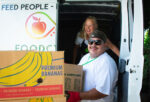
Food Loss and Waste
The United States is one of the world's largest producers of food, and yet the statistics around food waste are extreme: Food waste has been referred to as the "world's dumbest problem," but we can reverse it with both national and small-scale efforts alike. This page is dedicated to sharing the research and educational materials […]
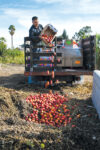
National SARE Food Loss and Waste Program Webinar
SARE Food Loss and Waste Program Manager Lisa Johnson will walk participants through the details of the Call for Proposal and answer participant questions related to the grant in a webinar taking place on Zoom on May 7 from 12 p.m. (NOON)- 1 p.m. EST.
Farmers and Ranchers Report Research Impacts
“This project provided a 'first look' at how legume cover crops might function in our crop rotations," says Texas A&M AgriLife Extension agronomist Reagan Nolan, discussing his search for cover crop mixes that can help meet the challenges of farming in western Texas. Nolan wanted to explore whether legume cover crops could be incorporated into […]
New Podcast Episode: "Chestnuts in Southeastern Ohio: A Cooperative Small Farm Effort"
Dive into the world of chestnut production in this episode of ATTRA’s Voices from the Field podcast. NCAT Sustainable Agriculture Specialist Tyler Jenkins talks with Michelle Ajamian, a network developer for the Appalachian Stable Foods Collaborative. Ajamian, based in southeastern Ohio, advocates for small-scale farming and discusses the challenges and triumphs of cultivating a chestnut […]
2023–2024 Report from the Field
SARE grants havehelped our viabilityas a business anddemonstrated thatsmall businessescan make a positiveimpact on theenvironment when wedevelop relationshipswith each other forthe benefit of all. Jeanine SeabrookGlass Rooster Cannery Letter from the Director I have always appreciated the value of long-term research as well as the long-term impact of both applied and basic research. The core […]
New Podcast Episode: "Edible Landscaping"
In this episode of ATTRA’s Voices from the Field podcast, NCAT Horticulture Specialist Guy Ames talks with Matthew Lebon about edible landscaping, or the practice of integrating edible plants into ornamental landscaping. Lebon is the visionary behind Custom Foodscaping in St. Louis, Mo. The two delve into the intricacies of shaping the land with food […]
New Podcast Episode: "Building Local Food Systems in Montana"
In this episode of ATTRA's Voices from the Field podcast, NCAT Local Food Systems Specialist Maura Henn speaks with Michal DeChellis of the Alternative Energy Resources Organization (AERO) in Montana. Their conversation focuses on building resilient community food webs and connecting communities to local food solutions. DeChellis is AERO’s program manager for the Montana Food […]
SARE Seeking National Program Manager in Support of Food Loss and Food Waste Initiative in 2024
Distributed by SARE Outreach on behalf of Southern SARE. To apply, log in to or create an account in the SARE Grant Management System using the link below. For more information, contact Southern SARE Program Director Jeff Jordan at jjordan@uga.edu. GRIFFIN, Georgia -- In 2024, the Sustainable Agriculture Research and Education (SARE) program will initiate a $10 […]

America's Heartland "Leaders in Sustainable Agriculture" Now Available on YouTube
SARE recently partnered with PBS KVIE to produce an episode of RFD-TV's America's Heartland featuring four farmers describing their commitment to sustainability, how they plan to overcome modern farming challenges, and how SARE has impacted their farming and ranching practices. The full 24-minute episode titled Leaders in Sustainable Agriculture is now available at https://www.sare.org/resources/leaders-in-sustainable-agriculture/. Watch: Videos featuring each […]