Showing 41-50 of 111 results
Advanced Cover Cropping Insights from Farmer Experts
Great Plains Perspective Central Corn Belt Perspective Eastern Perspective
Digging into Soil Health
Soil Health Principles Soil Health Testing and Practices Soil Biology and Organic Matter
Cover Crop Role in the Cropping System
Cover Crops and Nutrient Management Cover Crop Impacts on Diseases and Insects Cover Crops, Herbicides and Dealing with Herbicide-Resistant Weeds
Economic and Environmental Aspects of Cover Crops
Economics of Cover Crops Business Opportunities with Cover Crops and Soil Health Environmental Impacts of Cover Crop Systems
Special Topics with Cover Crops and Soil Health
Organic and Specialty Crops Grazing Cover Crops Soil Health Policy Issues
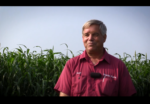
Innovative Assessment Helps Farmers in the Northeast Improve Soil Health
Improving soil health without understanding the soil's condition is not easy and traditional soil tests, though important management tools, don't provide information on the physical structure or microbial life living in the soil. That is why a multidisciplinary team at Cornell University created a soil health assessment, which measures physical, chemical and biological indicators as […]
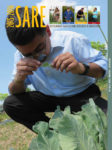
2015/2016 Report from the Field
Read about SARE-funded work in the areas of sustainable dairy cropping systems, soil health assessments, nutrient management, cover crops, beginning farmers, pollinators, technical assistance programs for women farmers, and more. This edition includes highlights of projects funded through the graduate student program, and the highly regarded Sustainable Agriculture Fellowship, a professional development program coordinated by SARE and NACAA.
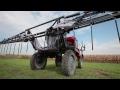
Cover Crop Innovators Video Series
Find short video profiles of farmers around the country who are using cover crops on their land.
Cover Crops for Soil Health Workshop
All session recordings and slide presentations from this three-day professional development workshop are available online. Hosted by Northeast SARE and Delaware State University in March 2016, this event addressed the latest research on the benefits and successful management of cover crops in grain, vegetable and animal production systems.
Investing in the Next Generation of Agricultural Scientists
Sustainable solutions to today's agricultural challenges arise when scientists, educators and producers work together to test theories in real-world, on-farm situations. For this approach itself to be sustainable, there must be opportunities for the next generation of agricultural scientists to use collaborative, applied research to address the real-world needs of farmers and ranchers. The SARE Graduate Student grant program is one such opportunity—since 2000, the program has supported the work of 600 master's and Ph.D. students.