Showing 21-30 of 106 results
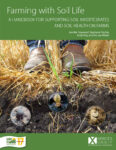
Farming with Soil Life
This handbook, created by The Xerces Society, dives into soil biology. It provides a connection between healthy soils and healthy invertebrates found in temperate agricultural soils. Farming with Soil Life starts with a review of soil basics, including the functions, classifications and properties (physical, biological and chemical) of soil. It provides detailed methods on how […]
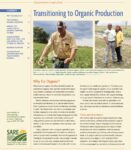
New SARE Bulletin: Transitioning to Organic Production
Since the 1990 Organic Foods Production Act passed, the market for organic products has steadily risen. In 2020, organic sales skyrocketed to an all-time high, motivating many farmers to consider transitioning their farms to organic production. While organic production can help farmers gain access to new markets, improve soil and increase profits, the transition process […]
Manage Weeds on Your Farm Video Series
n this series, experienced farmers from around the country talk about their weed control methods.
Transitioning to Organic Production
Transitioning to Organic Production lays out many promising conversion strategies, covering typical organic farming production practices, innovative marketing ideas and federal standards for certified organic crop production.
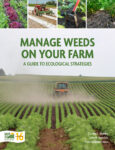
Manage Weeds on Your Farm: An Ecological Approach
SARE’s newest book, "Manage Weeds on Your Farm: A Guide to Ecological Strategies," examines the biology and behavior of common weeds and provides an integrated set of non-chemical control strategies that exploits their weaknesses.

Soil Health Principles and Practices Videos
Experienced farmers and Sustainable Agriculture Research and Education (SARE) provide information on managing and improving soil health. Farmers discuss practices such as cover cropping, and using mulch and compost to improve soil health.
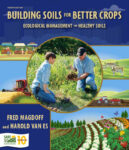
Updated Building Soils for Better Crops Focuses on Soil Health Fundamentals
SARE’s newest book, the fourth edition of Building Soils for Better Crops, provides rich detail on ecologically sound practices for developing and maintaining healthy soils. It is a must-read for farmers, educators and students alike.
Building Soils for Better Crops
The fourth edition of Building Soils for Better Crops—enhanced and expanded—explains how to use ecological principles to build soil health and boost fertility, yields and overall sustainability.
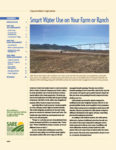
Smart Water Use on Your Farm or Ranch
As producers throughout the nation grow increasingly concerned about water scarcity, farmers, ranchers and agricultural educators are beginning to explore new, conservation-oriented approaches to water use.
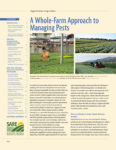
A Whole Farm Approach to Managing Pests
This 16-page bulletin helps producers—and the educators who work with them—use ecological principles across the entire farm to control pests.