Showing 31-40 of 77 results
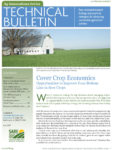
Cover Crop Economics
Cover crops can build soil health, control weeds, conserve moisture, provide grazing opportunities and more. But when do they start to pay for themselves? This analysis looks at the economics behind different management scenarios to determine if cover crops are likely to improve profitability in one, three or five years of use in corn and soybean rotations.
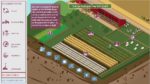
What is Soil Health?
Soil health plays an essential role in raising healthy, productive crops and livestock. With this interactive infographic, learn how practices such as cover crops, no-till, crop rotation and the integration of livestock work in concert to improve soil health.

Using Flowering Insectary Borders to Boost Natural Enemies
Beneficial insects play an important role in managing insect pests and pollinating crops, but they struggle to thrive in and around farms that have low plant diversity and rely mainly on tillage. Routine soil disturbances and low plant diversity can mean fewer prey, shelter and plant-based resources available to support natural enemies, especially early in […]
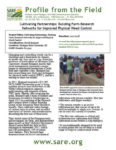
Cultivating Partnerships: Building Farm-Research Networks for Improved Physical Weed Control
Managing and controlling weeds can be a challenge and a frustration for farmers, no matter the farm size or crop. Associate professor of horticulture at Michigan State University, Daniel Brainard, knows that weed management represents a major barrier to sustainable production of both field and vegetable crops. Brainard has been researching new tools and techniques […]

Investing in the Future of Agriculture: How SARE Supports Farmer-Driven Sustainability
The most pressing challenges that face U.S. agriculture today require science-based solutions developed by partnerships of farmers, ranchers, researchers and educators. Discover how the SARE program enables such partnerships to flourish and meet the needs of agricultural communities across the country.
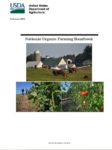
Growing the Field for Organic Conservation
As producers work to meet regulations under the National Organic Program (NOP) and become certified organic, they often apply conservation practices that align well with the Natural Resources Conservation Service’s (NRCS) conservation activities, such as green manures, buffer strips, and rotational grazing. NRCS assistance is being sought by both new and established organic farmers to […]
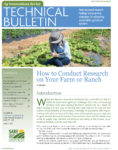
How to Conduct Research on Your Farm or Ranch
This 32-page bulletin outlines how to conduct research at the farm level, offering practical tips for both crop and livestock producers, as well as a comprehensive list of more in-depth resources.

Cover Crop Role in the Cropping System
Cover Crops and Nutrient Management Cover Crop Impacts on Diseases and Insects Cover Crops, Herbicides and Dealing with Herbicide-Resistant Weeds
Vegetable and Weed Degree-day Models
Pest managers are familiar with the concept of using degree days to predict pest outbreaks. Insects, like many other organisms, develop according to the temperature around them and degree days are a way to measure accumulated temperature. Plants – at least in part – also develop based on temperature, so a team in Oregon is […]
Cover Crop Innovators Video Series
Find short video profiles of farmers around the country who are using cover crops on their land.