Showing 1-10 of 23 results
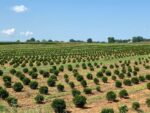
Biofumigants for Sustainable Soilborne Disease Management in Nursery Production
In Tennessee, innovative research into biofumigant cover cropping practices has provided nursery producers with new options for managing diseases while reducing workers’ exposure to chemicals.
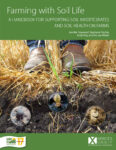
New Book: Farming With Soil Life: A Handbook for Supporting Soil Invertebrates and Soil Health on Farms
Smart farmers know that healthy soil hosts a flourishing and diverse ecosystem of bacteria, fungi and invertebrates. But the complex relationships between soil life, productivity and resilience are not well understood. Now available from the Xerces Society and SARE, Farming with Soil Life: A Handbook for Supporting Soil Invertebrates and Soil Health on Farms is […]
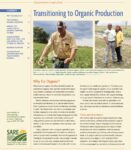
Transitioning to Organic Production
Transitioning to Organic Production lays out many promising conversion strategies, covering typical organic farming production practices, innovative marketing ideas and federal standards for certified organic crop production.
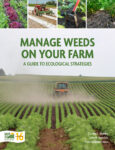
Manage Weeds on Your Farm: An Ecological Approach
SARE’s newest book, "Manage Weeds on Your Farm: A Guide to Ecological Strategies," examines the biology and behavior of common weeds and provides an integrated set of non-chemical control strategies that exploits their weaknesses.
Manage Weeds On Your Farm
Manage Weeds on Your Farm is a definitive guide to understanding agricultural weeds and how to manage them efficiently, effectively and ecologically—for organic and conventional farmers alike.
A Sustainable Approach to Controlling Honey Bee Diseases and Varroa Mites
This fact sheet describes efforts to breed honey bees, Apis mellifera, resistant to diseases and parasitic mites to reduce the amount of antibiotics and pesticides used in bee colonies and to ensure that our breeding methods and stock are accessible to beekeepers everywhere.
A Whole Farm Approach to Managing Pests
This 16-page bulletin helps producers—and the educators who work with them—use ecological principles across the entire farm to control pests.
Cover Crop Economics
Cover crops can build soil health, control weeds, conserve moisture, provide grazing opportunities and more. But when do they start to pay for themselves? This analysis looks at the economics behind different management scenarios to determine if cover crops are likely to improve profitability in one, three or five years of use in corn and soybean rotations.
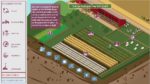
What is Soil Health?
Soil health plays an essential role in raising healthy, productive crops and livestock. With this interactive infographic, learn how practices such as cover crops, no-till, crop rotation and the integration of livestock work in concert to improve soil health.
Vegetable and Weed Degree-day Models
Pest managers are familiar with the concept of using degree days to predict pest outbreaks. Insects, like many other organisms, develop according to the temperature around them and degree days are a way to measure accumulated temperature. Plants – at least in part – also develop based on temperature, so a team in Oregon is […]