Showing 31-40 of 71 results
New SARE Video: Managing Weeds in an Organic Almond Orchard
Many organic and conventional farmers are seeking ways to eliminate or reduce their use of synthetic herbicides. Understanding weeds is the first step towards managing them efficiently and ecologically. Now, two new videos in SARE’s Manage Weeds on Your Farm series explore organic almond grove weed control on Burroughs Family Farm’s 1,200-acre orchard in Denair, […]
Manage Weeds on Your Farm Video Series
n this series, experienced farmers from around the country talk about their weed control methods.
Transitioning to Organic Production
Transitioning to Organic Production lays out many promising conversion strategies, covering typical organic farming production practices, innovative marketing ideas and federal standards for certified organic crop production.

SARE Fellows Examine Sustainable Range Management
After a two-year hiatus due to the COVID-19 pandemic, SARE Fellows recently reconvened to examine sustainable practices used in five crop and livestock production systems in Wyoming’s Bighorn Mountains.
A Sustainable Approach to Controlling Honey Bee Diseases and Varroa Mites
This fact sheet describes efforts to breed honey bees, Apis mellifera, resistant to diseases and parasitic mites to reduce the amount of antibiotics and pesticides used in bee colonies and to ensure that our breeding methods and stock are accessible to beekeepers everywhere.
Selecting Cattle to Improve Grazing Distribution Patterns, Rangeland Health and Water Quality
This project is the first and only study that we are aware of that has evaluated whether grazing distribution has the potential to be improved through intensive breed selection. Most of the management approaches currently used to increase grazing uniformity, such as water developments and fencing, can resolve livestock grazing distribution problems on both private and public lands. However, these practices usually require large capital expenditures.
Smart Water Use on Your Farm or Ranch
As producers throughout the nation grow increasingly concerned about water scarcity, farmers, ranchers and agricultural educators are beginning to explore new, conservation-oriented approaches to water use.
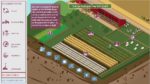
What is Soil Health?
Soil health plays an essential role in raising healthy, productive crops and livestock. With this interactive infographic, learn how practices such as cover crops, no-till, crop rotation and the integration of livestock work in concert to improve soil health.
The Power of Data: Improving the Management of Rangeland Ecosystems
California's rangelands face a wide range of challenges, from invasive species and pests to flooding and drought. Much of the knowledge of how to manage rangelands effectively resides in the personal experience of land managers. To capitalize on this collective wisdom, University of California Davis researchers partnered with ranchers around the region to compile a database of site-specific management information that can help everybody take better care of the land.
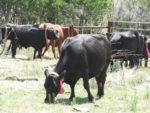
Researchers Say Hill-Climbing Cows May Bring Big Benefits for Western Ranchers
Conventional wisdom says cows don’t go up steep slopes. They don’t climb hills and don’t travel very far from water. But some cows never got that memo. “I’ve been watching cattle for years, and there are always some cows that just take off for the hills, like they didn’t know they weren’t elk,” said Derek […]