Showing 11-20 of 32 results
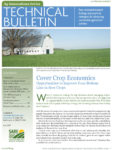
When Do Cover Crops Pay? New USDA-SARE Report Addresses the Question
Farmers around the country are planting cover crops on millions of acres to protect and improve the soil, and the more that farmers use cover crops, the more they value this conservation practice. Cover Crop Economics, a new report published by USDA-SARE looks at the economics of cover crops to help farmers answer that big […]
Cover Crop Economics
Cover crops can build soil health, control weeds, conserve moisture, provide grazing opportunities and more. But when do they start to pay for themselves? This analysis looks at the economics behind different management scenarios to determine if cover crops are likely to improve profitability in one, three or five years of use in corn and soybean rotations.
Improving Soil Health Through Cover Crops
Farmers around the country are discovering the power of cover crops to curb erosion and improve soil health. This video is from Pennsylvania, where a Penn State researcher and a grain farmer are partnering to spread the word.

Sustainable Production and Use of On-Farm Energy
Using solar or wind energy or producing biofuels from crop feedstocks and anaerobic digestion helps farmers achieve energy independence while improving profitability and reducing fossil fuel emissions.

Cover Crops for Soil Health Workshop
All session recordings and slide presentations from this three-day professional development workshop are available online. Hosted by Northeast SARE and Delaware State University in March 2016, this event addressed the latest research on the benefits and successful management of cover crops in grain, vegetable and animal production systems.
Cover Crop Innovators Video Series
Find short video profiles of farmers around the country who are using cover crops on their land.
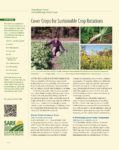
Cover Crops for Sustainable Crop Rotations
Cover crops are one of the best ways to improve soil health, reduce off-farm inputs and protect natural resources. Find a wealth of educational materials developed out of decades of SARE-funded cover crop research.
Cover Crops, Soil Health Principles and Maximizing Yields
Learn about basic soil health principles and how cover crops are key to making those happen on your farm.
Combining Livestock, Manure and Cover Crops
A livestock and cover crop combination is the fastest way to profit from your investment.
Cover Crops Seed Selection and Planting
Whether you are new to cover crops or an advanced user, hear from two experts on how they chose and seed their cover crops.