The educational materials listed on this page are about Cover Crops.
What is a cover crop? A common definition of a cover crop is a plant that is used as part of a crop rotation to improve the soil, scavenge or add nutrients, smother weeds and as a tool for erosion control. Cover crops are not harvested, but are left in place in no-till farming or turned under, especially in organic farming. Another term for cover crops is green manures, especially when the crop residue is incorporated into the soil.
Cover crops can improve soil fertility by adding organic matter, and they help in nutrient management planning by adding nitrogen to soil or by taking up nutrients in soil after cash crop harvest. Winter cover crops are most common in corn and soybean grain production systems, while spring cover crops or summer cover crops can fit many vegetable production systems. Cover crops improve soil moisture, especially over time as soil organic matter and soil tilth are improved.
Cover crop cocktails are used by many farmers as a way to improve soil health. Cocktails or cover crop mixes usually include a grass cover crop such as cereal rye or annual ryegrass, a legume cover crop like crimson clover or hairy vetch, and sometimes a brassica cover crop like forage radish, sometimes called “tillage radish.” Cover crop benefits from cocktails are often greater than seeding a single cover crop species. Cover crop mixes contribute to pest control by attracting beneficial insects and they may increase weed control by providing more ground cover and leaving more crop residue on the soil surface. Some cover crops can mitigate plant disease by suppression soil pathogens. Cover crop cocktails also attract pollinators, including native pollinators.
Cover crop seed is increasingly available from seed companies. They may also be able to help you with information about cover crop selection as well as best timing and methods of planting cover crops.
Some SARE books will help you decide how and when to grow cover crops. Managing Cover Crops Profitably, Crop Rotation on Organic Farms, and Building Soils for Better Crops are comprehensive guides or manuals. Another useful resource is the SARE topic brief Cover Crops for Sustainable Crop Rotations, which summarizes the usefulness of rotating cover crops in any cropping system. For organic farming, see the Organic Transitions business planning guide.
Showing 1-10 of 99 results
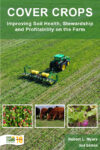
New SARE Handbook: Cover Crops: Improving Soil Health, Stewardship and Profitability on the Farm
SARE’s Cover Crops: Improvising Soil Health, Stewardship and Profitability on the Farm helps farmers improve their understanding of how cover crops can fit into their operations.
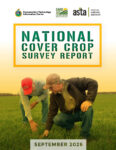
2026 National Cover Crop Report Shows Continued Expansion of Cover Crop Use
Results of the 2026 National Cover Crop Survey released today at the Farm Progress Show indicate strong interest in cover crops among many farmers who produce a wide range of crops and livestock.
Cover Crops
An in-depth book on how to use cover crops with success.
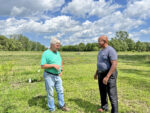
Using Cover Crops in Wide Row Corn
Iowa farmer Bob Recker challenged conventional thinking by asking whether wider corn rows could allow cover crops to thrive without sacrificing farm profitability.
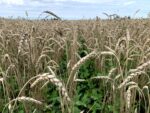
2025/2026 National Cover Crop Survey Is Now Open for Farmer Input
Farmers across the U.S.—whether they use cover crops, formerly used them, or have never planted covers—are invited to share their insights on cover crops in the National Cover Crop Survey.

2025–2026 Report from the Field
In Recognition of Farmers and Ranchers SARE has been around for nearly 40 years, and the impacts that our grant and outreach programs have had on the sustainability of U.S. agriculture are because of one simple thing: Farmers and ranchers are at the center of everything we do. SARE is afunding sourcefor producers.It’s designed forproducers, […]
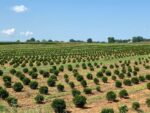
Biofumigants for Sustainable Soilborne Disease Management in Nursery Production
In Tennessee, innovative research into biofumigant cover cropping practices has provided nursery producers with new options for managing diseases while reducing workers’ exposure to chemicals.
Can Cover Crops Improve Wine Grape Production Resilience?
Cover crops may stabilize production systems under varying weather conditions while having a limited impact on yields.

Adapting to Extreme Rains and Drought at A-Frame Farm in Madison, Minnesota
At A-Frame Farm, resilience begins below the surface. In a new episode of America’s Heartland, produced in partnership with SARE, farmer Luke Peterson shares how his family is adapting to increasingly erratic weather through regenerative practices that focus on restoring the soil. Located on 500 acres in Madison, Minn., A-Frame Farm produces organic grains and […]
Adapting to Generational Challenges on Western Family Farms in Waterloo, Iowa
For the Western family, farming is more than a livelihood—it’s a legacy of perseverance, stewardship, and deep-rooted pride. As one of Iowa’s pioneering Black farm families, the Westerns are featured in a new episode of America’s Heartland, produced in partnership with SARE, for their commitment to sustainable agriculture and generational resilience. Brothers Todd, Christopher, and […]