Showing 1-7 of 7 results
2025–2026 Report from the Field
In Recognition of Farmers and Ranchers SARE has been around for nearly 40 years, and the impacts that our grant and outreach programs have had on the sustainability of U.S. agriculture are because of one simple thing: Farmers and ranchers are at the center of everything we do. SARE is afunding sourcefor producers.It’s designed forproducers, […]
Farmers and Ranchers Report Research Impacts
“This project provided a 'first look' at how legume cover crops might function in our crop rotations," says Texas A&M AgriLife Extension agronomist Reagan Nolan, discussing his search for cover crop mixes that can help meet the challenges of farming in western Texas. Nolan wanted to explore whether legume cover crops could be incorporated into […]
2023–2024 Report from the Field
SARE grants havehelped our viabilityas a business anddemonstrated thatsmall businessescan make a positiveimpact on theenvironment when wedevelop relationshipswith each other forthe benefit of all. Jeanine SeabrookGlass Rooster Cannery Letter from the Director I have always appreciated the value of long-term research as well as the long-term impact of both applied and basic research. The core […]
New SARE Video: Managing Weeds in an Organic Almond Orchard
Many organic and conventional farmers are seeking ways to eliminate or reduce their use of synthetic herbicides. Understanding weeds is the first step towards managing them efficiently and ecologically. Now, two new videos in SARE’s Manage Weeds on Your Farm series explore organic almond grove weed control on Burroughs Family Farm’s 1,200-acre orchard in Denair, […]
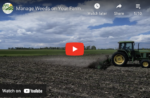
Manage Weeds on Your Farm Video Series
n this series, experienced farmers from around the country talk about their weed control methods.
The Power of Data: Improving the Management of Rangeland Ecosystems
California's rangelands face a wide range of challenges, from invasive species and pests to flooding and drought. Much of the knowledge of how to manage rangelands effectively resides in the personal experience of land managers. To capitalize on this collective wisdom, University of California Davis researchers partnered with ranchers around the region to compile a database of site-specific management information that can help everybody take better care of the land.

Trained Sheep Grazing Vineyard Floor
According to researchers, training sheep to have a food aversion is a simple process. However, there are important steps to follow to improve the strength of the aversion. This fact sheet describes the aversion training process.