Showing 41-50 of 81 results

Building a Local Food Movement
Over the last few decades, agriculture in western North Carolina has transformed from a reliance on tobacco to a diversified, self-sustaining industry intertwined with local communities and economies. In this video, learn how one organization has worked alongside local farmers and communities to support this transformation.

Investing in the Future of Agriculture: How SARE Supports Farmer-Driven Sustainability
The most pressing challenges that face U.S. agriculture today require science-based solutions developed by partnerships of farmers, ranchers, researchers and educators. Discover how the SARE program enables such partnerships to flourish and meet the needs of agricultural communities across the country.
Our Farms, Our Future Podcast Series
The Our Farms, Our Future podcast series brings together the sustainable agriculture community for thought-provoking conversations about the state of agriculture, how we got here, and where we're headed.
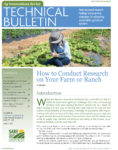
How to Conduct Research on Your Farm or Ranch
This 32-page bulletin outlines how to conduct research at the farm level, offering practical tips for both crop and livestock producers, as well as a comprehensive list of more in-depth resources.
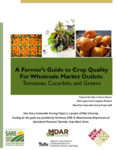
A Farmer's Guide to Crop Quality for Wholesale Outlets
A simple guide to crop quality focused on tomatoes, cucurbits and greens, with photos of good and poor crop quality as well as best practices for post-harvest handling.
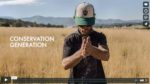
Conservation Generation
The Colorado River irrigates 15 percent of the nation’s crops, making the conservation efforts of Western producers crucial to the American food system. Conservation Generation is a new short film by the National Young Farmers Coalition (NYFC) about four young farmers and ranchers in the arid West who are committed to conservation practices that conserve water and promote soil health.
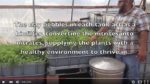
Integrating Traditional Foods with Aquaponics in the Desert Southwest
The Challenge Cochise County, Arizona, where Aaron Cardona’s Arevalos Farm is located, is classified by the USDA as a food desert with high poverty rates, as well as high rates of diabetes and obesity. To help confront these problems, Cardona decided to look into aquaponics, which had not been experimented with in the desert regions […]
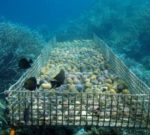
Training in Marine Ornamental Farming for Extension Professionals in Micronesia
The Challenge The Federated States of Micronesia (FSM) and the Republic of the Marshall Islands (RMI) are fledgling sovereign nations. Both nations have low per capita GDP and high unemployment. Like many developing small island nations, the FSM and RMI are economically marginalized. The people of FSM and RMI have skills and resources for aquaculture, […]
Farm to Table: Building Local and Regional Food Systems
More and more, farmers, ranchers, ag professionals, community organizers and others are striving to reconfigure the nation's food system so more value stays in food-producing communities.
Avicultura Rentable
Avicultura Rentable: Criando Aves en Pasturas es una guía que incluye experiencias de agricultores y lo último en investigación para criar pollos y pavos usando corrales, cercos portátiles y pasturas.