Showing 1-10 of 35 results
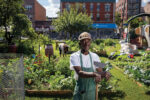
New SARE Bulletin: Best Practices for the Sustainable Urban Farm
For decades, urban farms and community gardens have helped meet demand for fresh and local produce. Urban farming creatively utilizes limited space, conserves land and transforms vacant lots or buildings into productive greenspaces. Farming in cities can be a rewarding way for communities to grow healthy food while receiving a wide range of other interrelated environmental, […]
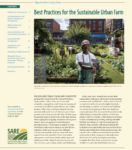
Best Practices for the Sustainable Urban Farm
For decades, urban farms and community gardens have helped meet the demand for fresh, local produce. Urban farms are diverse and adaptable, ranging from small farms on repurposed vacant lots to multilevel vertical farms and rooftop gardens. Often, they combine ecological farming practices with some form of infrastructure. Urban growers make clever use of their […]
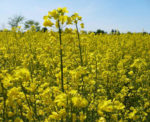
Sustainable Production and Use of On-Farm Energy
Using solar or wind energy or producing biofuels from crop feedstocks and anaerobic digestion helps farmers achieve energy independence while improving profitability and reducing fossil fuel emissions.
High Tunnel Growing: Is it Right for Me?
A report to assist farms incorporating high tunnels for market competitiveness, with research from West Virginia's Mid-Ohio River Valley.
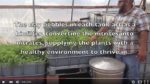
Integrating Traditional Foods with Aquaponics in the Desert Southwest
The Challenge Cochise County, Arizona, where Aaron Cardona’s Arevalos Farm is located, is classified by the USDA as a food desert with high poverty rates, as well as high rates of diabetes and obesity. To help confront these problems, Cardona decided to look into aquaponics, which had not been experimented with in the desert regions […]
High Tunnels and Other Season Extension Techniques
From low covers to high tunnels, from hoop houses to greenhouses—producers are finding ever more innovative ways to extend the growing season, and their income stream.
Sustainable Pest Management in Greenhouses and High Tunnels
From 2007 to 2009, Cornell researchers in New York used a SARE grant to study the efficacy of biological insect control in minimally heated greenhouses and high tunnels or hoop houses. This fact sheet reports the results and provides detailed advice on how growers can use natural enemies to manage insect pests in minimally heated greenhouses and unheated high tunnels.
On-Farm Fertigation Trials in Kansas City-Area Organic High Tunnels
Five certified organic farms in the Kansas City area did one-year comparisons of the use of compost, fertigation and foliar feeding on high tunnel tomatoes, with respect to quantity and quality of yields.
Using Low Tunnels to Extend the Growing Season for Organic Strawberries in Alabama
This project was designed to determine if the strawberry harvest season could be extended, potentially allowing farmers to get their strawberries to the market early for premium prices.
Comparing Four Ultra-Low-Cost Season Extension Structures on a Missouri Farm
This project compared winter production using four structures: EZ Build-n-Gro Cold Frames (Farmtek); cattle panel greenhouses; modified low tunnels; and standard small cold frames.