Showing 1-10 of 16 results
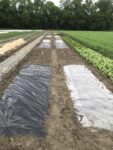
Impacts of Silage Tarps on Soil Arthropods, Soil Properties and Crop Yields
Tarps dramatically reduced weed cover (around 30% weed cover in tarped plots versus 90% in control plots) and doubled crop yields.

Producer-Driven Research Finds Wood Chip Mulch Conserves Moisture and Improves Production Efficiency
In Virginia, using chipped wood for mulch can help manage weeds while increasing yield and cutting irrigation costs.
On-Farm Research Advances Cost-Effective Weed Management Practice on Guam
Guam’s farmers often rely on hand weeding or gas trimmers to control fast-growing weeds in citrus, papaya and pepper crops. These methods can be expensive and time consuming, so one innovative farmer is instead trying sheet mulching as a cost-effective method to control weeds. Sheet mulching involves layering various sources of organic waste materials on […]
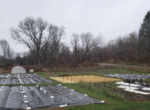
Tarping in the Northeast: A Guide for Small Farms
Reusable tarps, including black plastic (silage tarps), clear plastic and landscape fabric, are multi-functional, accessible tools that are increasingly popular on small farms. The use of opaque materials that block light is frequently called “occultation,” while the use of clear tarps is called “solarization.” The use of the word "tarping” is a general term to […]
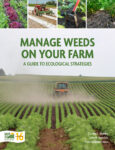
Manage Weeds on Your Farm: An Ecological Approach
SARE’s newest book, "Manage Weeds on Your Farm: A Guide to Ecological Strategies," examines the biology and behavior of common weeds and provides an integrated set of non-chemical control strategies that exploits their weaknesses.

Soil Health Principles and Practices Videos
Experienced farmers and Sustainable Agriculture Research and Education (SARE) provide information on managing and improving soil health. Farmers discuss practices such as cover cropping, and using mulch and compost to improve soil health.
Manage Weeds On Your Farm
Manage Weeds on Your Farm is a definitive guide to understanding agricultural weeds and how to manage them efficiently, effectively and ecologically—for organic and conventional farmers alike.
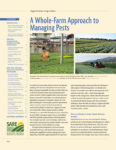
A Whole Farm Approach to Managing Pests
This 16-page bulletin helps producers—and the educators who work with them—use ecological principles across the entire farm to control pests.
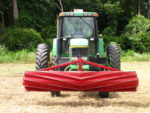
Grant Puts (Good) Crimp in Farm Operations
It all began in 2002 with a $6,500 SARE grant and the seed of an idea. Today, that idea has grown into hundreds of research projects around the country, an international business and a new, effective no-till tool that farmers are adding to the ways they suppress weeds in cash-crop fields. The tool is the […]
Moving Nursery Producers Toward Sustainable Practices Fact Sheets
These fact sheets discuss alternative containers, marketing and crop selection, alternatives to synthetic herbicides and integrated pest management in commercial nursery plant production.