Showing 21-30 of 47 results
Growing the Field for Organic Conservation
As producers work to meet regulations under the National Organic Program (NOP) and become certified organic, they often apply conservation practices that align well with the Natural Resources Conservation Service’s (NRCS) conservation activities, such as green manures, buffer strips, and rotational grazing. NRCS assistance is being sought by both new and established organic farmers to […]
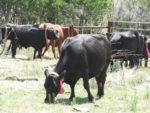
Researchers Say Hill-Climbing Cows May Bring Big Benefits for Western Ranchers
Conventional wisdom says cows don’t go up steep slopes. They don’t climb hills and don’t travel very far from water. But some cows never got that memo. “I’ve been watching cattle for years, and there are always some cows that just take off for the hills, like they didn’t know they weren’t elk,” said Derek […]

Economic and Environmental Aspects of Cover Crops
Economics of Cover Crops Business Opportunities with Cover Crops and Soil Health Environmental Impacts of Cover Crop Systems
Managing Cover Crops for Ecosystem Services in Vegetable Systems
Natalie Lounsbury (University of New Hampshire) discusses how to manage cover crops for such ecosystem services as: suppressing weeds, attracting pollinators, cycling nutrients, promoting biological diversity and controlling erosion.
Conservation Generation
The Colorado River irrigates 15 percent of the nation’s crops, making the conservation efforts of Western producers crucial to the American food system. Conservation Generation is a new short film by the National Young Farmers Coalition (NYFC) about four young farmers and ranchers in the arid West who are committed to conservation practices that conserve water and promote soil health.
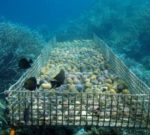
Training in Marine Ornamental Farming for Extension Professionals in Micronesia
The Challenge The Federated States of Micronesia (FSM) and the Republic of the Marshall Islands (RMI) are fledgling sovereign nations. Both nations have low per capita GDP and high unemployment. Like many developing small island nations, the FSM and RMI are economically marginalized. The people of FSM and RMI have skills and resources for aquaculture, […]
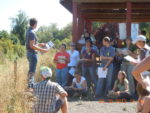
Western Pollinator Conservation Planning Short Course
The Challenge Hives of European honeybees, commonly purchased for pollination services, have become more difficult to obtain due to decline from disease and Colony Collapse Disorder (CCD). Native bees can make a significant contribution to crop pollination. Protecting, enhancing, or providing natural habitat on farms is the best way to conserve native pollinators. The USDA, […]
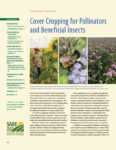
Cover Cropping for Pollinators and Beneficial Insects
This 16-page bulletin will help you use cover crops to encourage populations of pollinators and beneficial insects on your farm while you address your other resource concerns.
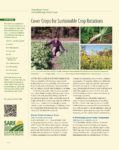
Cover Crops for Sustainable Crop Rotations
Cover crops are one of the best ways to improve soil health, reduce off-farm inputs and protect natural resources. Find a wealth of educational materials developed out of decades of SARE-funded cover crop research.
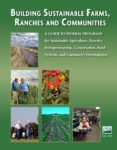
Building Sustainable Farms, Ranches and Communities
This guide lists funding opportunities offered by federal programs, and is indispensable for anyone seeking government help to foster their innovative enterprise in forestry and agriculture.