Showing 31-40 of 110 results
A Whole Farm Approach to Managing Pests
This 16-page bulletin helps producers—and the educators who work with them—use ecological principles across the entire farm to control pests.
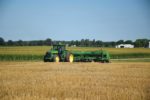
National Farmer Survey Documents a Wide Range of Cover Crop Benefits as Acreage Continues to Expand
Despite the crippling rainfall that significantly delayed planting across much of the country in 2019, more than 90% of farmers participating in a national cover crop survey reported that cover crops allowed them to plant earlier or at the same time as non-cover-cropped fields. Among those who had "planted green," seeding cash crops into growing […]
Conservation Tillage Systems in the Southeast
This production manual provides comprehensive guidance on conservation tillage systems for farms in the southeastern United States. It covers the core components of conservation tillage systems and includes both regional considerations and producer experiences.
Free Fact Sheets Identify Broad Benefits of Cover Crops
Along with cutting costs and increasing crop productivity, cover crops provide various ecosystem services that benefit the environment both on and off the farm. For instance, adding cover crops to a rotation can significantly increase the portion of the year when living roots are present for soil organisms to feed on, which can have a […]
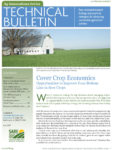
Cover Crop Economics Report Now Available in Print
Cover Crops Offer Options in Wet Soil As more farmers across the nation begin to incorporate covers into their rotations, they find that this valuable conservation practice pays in more ways than one. Many farmers in states suffering from oversaturated fields that prevented or delayed planting are considering cover crops. To help farmers evaluate the […]
When Do Cover Crops Pay? New USDA-SARE Report Addresses the Question
Farmers around the country are planting cover crops on millions of acres to protect and improve the soil, and the more that farmers use cover crops, the more they value this conservation practice. Cover Crop Economics, a new report published by USDA-SARE looks at the economics of cover crops to help farmers answer that big […]
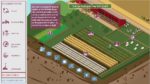
What is Soil Health?
Soil health plays an essential role in raising healthy, productive crops and livestock. With this interactive infographic, learn how practices such as cover crops, no-till, crop rotation and the integration of livestock work in concert to improve soil health.
Cover Crop Economics
Cover crops can build soil health, control weeds, conserve moisture, provide grazing opportunities and more. But when do they start to pay for themselves? This analysis looks at the economics behind different management scenarios to determine if cover crops are likely to improve profitability in one, three or five years of use in corn and soybean rotations.

Using Flowering Insectary Borders to Boost Natural Enemies
Beneficial insects play an important role in managing insect pests and pollinating crops, but they struggle to thrive in and around farms that have low plant diversity and rely mainly on tillage. Routine soil disturbances and low plant diversity can mean fewer prey, shelter and plant-based resources available to support natural enemies, especially early in […]
Cultivating Climate Resilience on Farms and Ranches
This bulletin outlines the new challenges that changing weather patterns pose in agriculture throughout the United States, and what you can do to make your farm more resilient.