Showing 1-10 of 56 results
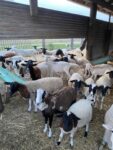
Using an Alternative Feed to Bring Stability in the Face of Drought and Rising Costs
Texas farmer Diana Padilla secured a SARE grant to investigate whether farm-grown moringa oleifera could serve as a practical and sustainable feed substitute.
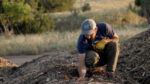
Ranchers Turn to Compost to Improve Soils and Boost Forage Production
Zachary Withers used a Western SARE Farmer/Rancher grant to examine whether applying compost could help his soil retain more rainfall, reduce erosion and improve forage production.
Farmers and Ranchers Are at the Core of SARE’s Research Investments
SARE provides grants directly to producers, which removes the financial risk of testing new ideas for making their operations more profitable, productive and sustainable. And all of SARE’s grant programs require producer engagement throughout their project activities.
2025–2026 Report from the Field
In Recognition of Farmers and Ranchers SARE has been around for nearly 40 years, and the impacts that our grant and outreach programs have had on the sustainability of U.S. agriculture are because of one simple thing: Farmers and ranchers are at the center of everything we do. SARE is afunding sourcefor producers.It’s designed forproducers, […]
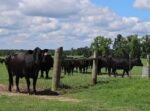
New SARE Video: Build Strong Networks
At HKJ Ranch in Cobbtown, Georgia, fourth-generation cattle farmer Handy Kennedy knows firsthand how critical it is to reach out for support, especially in today’s complex and rapidly changing agricultural landscape.
New SARE Video: Use Data to Drive Decision Making
For Handy Kennedy of HKJ Ranch in Cobbtown, Ga., sound data management was key to generational succession on his 200-head cattle operation.
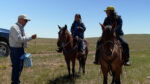
Adapting to Overgrazed Land and Drought on Joe Kipp’s Ranch in the Blackfeet Indian Reservation of Montana
On ancestral Blackfeet land in northern Montana, Joe and Kathy Kipp are breathing new life into overgrazed prairies.
Farming Strategies for Adapting to Extreme Weather
SARE partnered with PBS KVIE to produce an episode of RFD-TV's America's Heartland that highlights how farmers and ranchers across the United States are using sustainable and regenerative practices to adapt to increasingly challenging and unpredictable weather conditions. Adapting to Flooding and Drought on Hurricane Flats Farm in South Royalton, Vermont Ashley Loehr and Antoine […]
Farmer Leadership Key to Adoption of Sustainable Grazing Practices in Wisconsin
Farmers are often reluctant to risk investments of time or money to adopt research-based conservation practices on their farms. In southern Wisconsin, a creative approach to fostering informal, farmer-led learning opportunities has been key to encouraging farmers to adopt cost-cutting grazing and cover cropping practices that successfully decrease soil erosion and waterway contamination. Dane County […]
Utah Develops a Cost-Effective Treatment for Mineral Deficiency in Cattle
In Utah’s arid landscape, cattle producers face a critical challenge: deficiencies in essential trace minerals like copper, zinc, manganese and selenium, which are vital for cattle health. These mineral deficiencies, worsened by drought and environmental conditions, lead to severe health problems, including increased mortality and illness among affected livestock. Dr. Kara Thornton-Kurth of Utah State […]