A long-term solution to worm parasites is the selection of resistant animals. When you determine that individuals within a flock or herd have low fecal egg counts compared with others in its group, select them as replacements. This is especially important when choosing rams and bucks, because they contribute half the genes to their offspring, impacting generations to come.
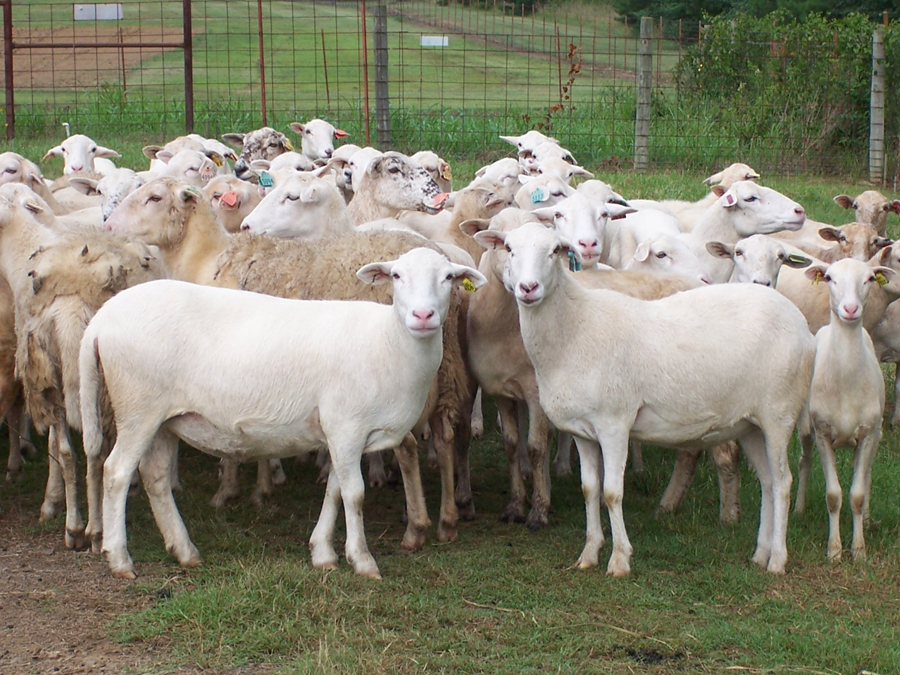
In addition to selecting the most resistant animals in your flock, you may consider including some resistant breeds in your operation. Sheep breeds that have shown some level of resistance to internal parasite infection include St. Croix, Barbados Blackbelly, Gulf Coast or Florida Native, and Katahdin. Less is known about resistant goat breeds, though research indicates Spanish, Kiko and Myotonic breeds may offer some genetic resistance to parasite infections, while Boer goats tend to be more susceptible. However, do not assume that all animals in a resistant breed will be a good choice for your flock or herd. Animals within the breed should have good body structure, feet, legs, and mouth. They should also perform at least better than average within their farm group, in terms of growth, reproduction, and fecal egg counts.
The National Sheep Improvement Program offers a program to select parasite resistant individuals within a breed population, with the aim of improving overall resistance within herds and flocks. This program is based on fecal egg counts and body weight data collected at weaning and post-weaning. Selection for parasite resistance will lead to less frequent deworming and lower production costs, and reduce parasites’ resistance to dewormers. There is generally more variation within any given breed than between breeds. Every breed can be improved by culling the animals that require an excessive number of deworming treatments or have high fecal egg counts, and breeding those animals that produce well with the least amount of drenching.
It has also been found that FAMACHA© scores, a measure of anemia, is also a heritable trait that can be passed to the offspring. In an on-farm study (SARE grant LS22-363) over a three-year period with 10 sires, there were significant differences among the average FAMACHA© scores of the sires’ offspring, which will translate to less need for deworming for those with lower scores (they are less anemic).
For more information, see these publications available through the consortium’s Best Management Practices series:
- Genetic Selection: Using Crossbreeding and Estimated Breeding Values
- On-Farm Selection for Resistance to Parasites
Also, the consortium’s Genetic Control of Internal Parasites page lists a number of articles of interest.