The consortium has investigated the use of a low dose (less than 2 grams) of copper oxide wire particles (COWP) as a deworming agent for barber pole worms, or Haemonchus contortus. The goats and sheep on many U.S. farms have experienced complete resistance to other chemical dewormers, and COWP offers an alternative control method. Another benefit is cost savings—COWP can cost 80% less if using low doses than chemical dewormers. In addition, there may be less fecal egg contamination on pasture. COWP acts like a short-acting dewormer and can be administered alongside a dewormer to increase the efficacy of both products, including when other worm species in addition to H. contortus are present.
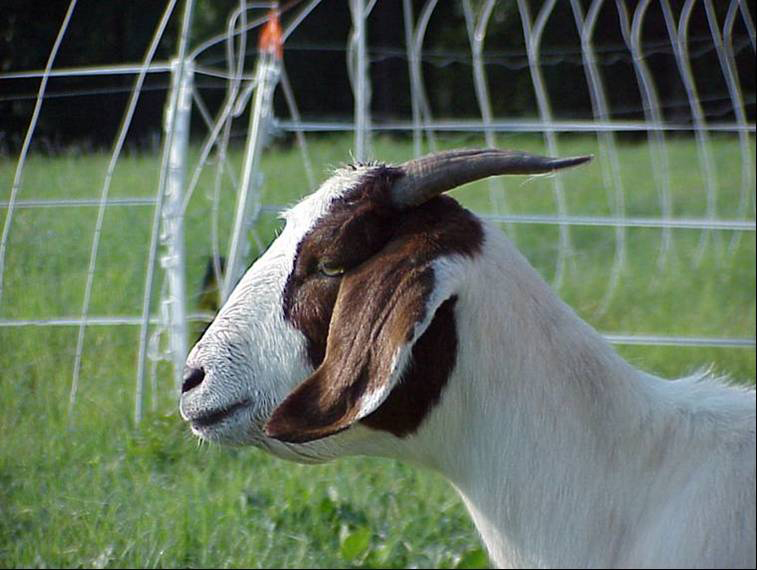
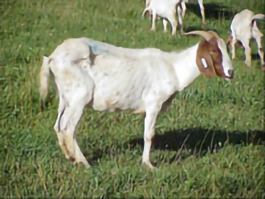
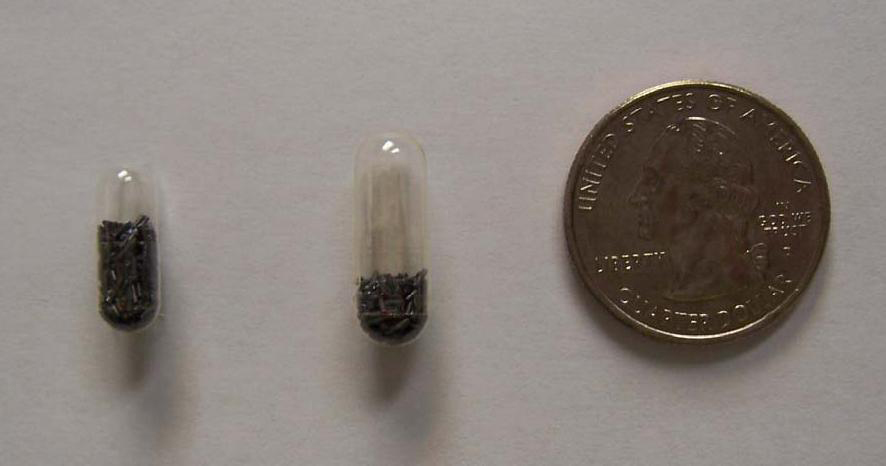
Administration of COWP in small ruminants requires preparation of copper boluses (a gelatin capsule filled with copper oxide wire particles that settle in the abomasum and slowly release copper locally) in smaller doses than are currently commercially available. Copper boluses (such as Copasure® or Ultra Cruz®) are currently sold for use in cattle, goats and sheep by veterinary and animal health suppliers in 2-, 4-, 12.5-, 25-gram doses. Sheep and goats should be given 0.5 gram or 1 gram if less than one year of age, and 1–2 grams for adults. The Copasure® cattle bolus was recently reformulated to a solid mass that can be broken up and placed into gel capsules. Multiple doses of COWP can be given in 4- to 6-week intervals when pasture contamination is high. Animals should receive no more than four (if doses of 0.5 gram or 1 gram are used) or two (if doses of 2 grams are given) COWP boluses in the summer worm season, and only if no other sources of copper are available to sheep. COWP should be selectively administered, similarly to a dewormer, to minimize development of resistance by the worms.
You can purchase smaller gel capsules at a local pharmacy, health food store or veterinary supply house, and repackage them to make boluses with the proper dose for your goats or sheep. Administer prepared boluses to the animals with a pill gun, or mix copper particles in sticky feed for individuals (such as when milking goats).
Sheep are particularly susceptible to copper toxicity and misuse, or overdosing may lead to sudden death. Safety of the COWP method is dependent on the amount of copper already in the animals’ diet and on the presence of other elements that can increase or decrease the effect of copper. The type of copper used in COWP boluses is poorly absorbed, reducing the risk of copper toxicity, especially when using low doses (0.5–2 grams), but one must account for other copper sources. Cattle minerals used to supplement diets contain copper, for example. And higher concentrations of copper can be found in some legumes, especially in the midwestern United States and where soil is molybdenum deficient, or when poultry litter is applied to pastures. Check with your local Cooperative Extension office for information on copper levels in your area.
As a rule of thumb, sheep may suffer toxicity at levels above 25 ppm of copper in the diet; but the interactions of other minerals will influence this. Goats, on the other hand, require copper levels in the range of 15–25 ppm, depending on the class of goat. In addition, goats can safely have access to a free-choice loose mineral containing 1,000 ppm copper. For more information, see the resources on the consortium’s Copper Oxide Wire Particles page.
With regards to copper administration, the consortium found:
- Low doses of COWP (0.5 gram and 1 gram) are effective treatments in lambs or kids.
- COWP is safe to use in late-pregnancy and lactating ewes. A 1–2 gram dose is recommended. The dose is not weight dependent.
- Multiple low doses of COWP can be given to lambs in a summer worm season, but will increase their level of copper.
- The new cattle formulation of solid COWP used at low doses can still reduce fecal egg counts associated with barber pole worms.
- Worms may develop resistance to COWP, so use it selectively (as described above).
Results have varied across studies, and researchers believe that a disturbance in rumen function somehow interferes with the COWP action. COWP is not always effective, perhaps because problems with digestion interfere with its action, as indicated by the fact that COWP works against abomasal barber pole worms, but not intestinal worms. Research results in this area have varied and COWP action is not fully understood.