Showing 1-10 of 14 results

Adapting to Overgrazed Land and Drought on Joe Kipp’s Ranch in the Blackfeet Indian Reservation of Montana

On ancestral Blackfeet land in northern Montana, Joe and Kathy Kipp are breathing new life into overgrazed prairies. Their ranch—passed down through generations—is now a model for how thoughtful land stewardship and strategic conservation can restore ecosystems, support livestock, and prepare the land for water shortages that are the new normal.

Their journey is featured in a new episode of America’s Heartland, produced in partnership with SARE. The segment shares how the Kipps transformed a once-depleted ranch into a thriving pasture for both cattle and native bison.

“This is where my people have been since the beginning of creation… . This is who I am,” says Joe Kipp, a member of the Blackfeet Nation. He works as a steward of the land to protect its natural promise for generations to come. 

When Kipp inherited the land from his late father-in-law, it was overgrazed, lacked fencing, and had no reliable water resources. With help from the USDA Natural Resources Conservation Service, the Kipps installed cross-fencing to allow for rotational grazing, along with water systems that have helped protect and manage their pastures during dry years. Springs that once flowed on top of the grassland now filter into the ground more quickly. With improved water management and native grass restoration, their ranch is better prepared to weather dry seasons.

Years of patient restoration have brought back native prairie grasses and wildlife. These healthy ecosystems now feed their livestock and bison, creating increased revenue and contributing to the ranch’s renewed success.

This video is part of an episode of RFD-TV's America's Heartland produced by PBS KVIE highlighting farmers and ranchers who are using sustainable strategies to adapt to challenging weather conditions. View the entire episode at Farming Strategies for Adapting to Extreme Weather.

Posted in 1

Adapting to Extreme Rains and Drought at A-Frame Farm in Madison, Minnesota

At A-Frame Farm, resilience begins below the surface. In a new episode of America’s Heartland, produced in partnership with SARE, farmer Luke Peterson shares how his family is adapting to increasingly erratic weather through regenerative practices that focus on restoring the soil.

Located on 500 acres in Madison, Minn., A-Frame Farm produces organic grains and grass-fed beef using techniques that prioritize long-term soil health. “I’m growing food for humans that is healthy,” says Peterson. “It brings me a lot of joy.”

Peterson’s journey into sustainable farming was inspired by his wife’s work as a nurse practitioner, where he saw the direct connection between soil, food, and human health. That connection now guides every decision on the farm: minimizing tillage, rotating diverse crops, and using compost from their cows to revitalize the land.

The farm’s use of deep-rooted perennials like Kernza plays a critical role in soil health. Kernza roots help retain moisture during drought and stabilize the soil during heavy rains, while also drawing carbon dioxide from the atmosphere. “We work on Mother Nature’s terms,” Peterson explains. 

By building a more diverse and regenerative system, the Peterson family is reducing their reliance on off-farm inputs and preparing their land for long-term success. Their efforts also extend beyond the farm, through partnerships with companies like Simple Mills, which source ingredients directly from A-Frame for their organic food products.

This video is part of an episode of RFD-TV's America's Heartland produced by PBS KVIE highlighting farmers and ranchers who are using sustainable strategies to adapt to challenging weather conditions. View the entire episode at Farming Strategies for Adapting to Extreme Weather.

Posted in 1

Adapting to Flooding and Drought on Hurricane Flats Farm in South Royalton, Vermont

On the banks of the White River, Hurricane Flats Farm is finding new ways to thrive in the face of increasingly unpredictable weather. In a new episode of America’s Heartland, produced in partnership with SARE, farmers Ashley Loehr and Antoine Guerlain share how they’re navigating both severe drought and catastrophic flooding on their 37-acre certified organic farm in Vermont.

After taking over the farm, Loehr and Guerlain faced intense droughts during their first three seasons and devastating floods in 2023 that destroyed 75% of their projected gross income. “Droughts, floods, extremely heavy rain, extreme wind, all those things are happening all the time, and could happen any minute,” says Loehr.

To manage these challenges, they’ve adopted a range of innovative farming techniques. By planting strip crops and buffer zones, grouping high-value crops away from high-risk flood zones, and choosing a diverse mix of short-cycle and long-season crops, they’ve built flexibility into their growing season. These strategies allow them to reduce losses and recover faster when weather disrupts production.

Hurricane Flats also partners with the White River Partnership to grow 1,000 young trees that will be transplanted onto farms across the region—strengthening riparian areas and supporting long-term soil health and water quality. The farm’s produce is sold directly to the community at farmers’ markets, where the support for their efforts has been strong.

This video is part of an episode of RFD-TV's America's Heartland produced by PBS KVIE highlighting farmers and ranchers who are using sustainable strategies to adapt to challenging weather conditions. View the entire episode at Farming Strategies for Adapting to Extreme Weather.

Posted in 1

Adapting to Generational Challenges on Western Family Farms in Waterloo, Iowa

For the Western family, farming is more than a livelihood—it’s a legacy of perseverance, stewardship, and deep-rooted pride. As one of Iowa’s pioneering Black farm families, the Westerns are featured in a new episode of America’s Heartland, produced in partnership with SARE, for their commitment to sustainable agriculture and generational resilience.

Brothers Todd, Christopher, and Adam Western honor their father after his unexpected passing in 2008 through the upkeep of Western Family Farms. Alongside their mother and farm CEO, Barbara Western, the Western family is committed to the longevity of their farm. “That’s my job and my family’s job—to make sure we are good stewards of the land,” says Todd Western III, “to make sure we are setting this up for the next 160 years.”

Their commitment to regenerative farming includes no-till practices, cover cropping, and transforming less productive land into grasslands to both support pollinators and enrich the soil. These strategies reduce the need for chemical inputs, improve water retention, and make the farm more resilient during increasingly common periods of heavy rain and drought.

The Westerns have also enrolled in a carbon capture credit plan that incentivizes activities that reduce carbon dioxide in the atmosphere and improve soil health—generating a new revenue stream while they invest in long-term sustainability.

Their roots in Iowa trace back to the late 1800s, when their ancestors—formerly enslaved people—purchased the land and began farming. Through decades of adversity, including the challenges of being Black farmers in a state that is over 98% white, the Western family has found a place for social sustainability. Todd Western III co-founded the Iowa Farmers of Color to create a support network for farmers of color. 

This video is part of an episode of RFD-TV's America's Heartland produced by PBS KVIE highlighting farmers and ranchers who are using sustainable strategies to adapt to challenging weather conditions. View the entire episode at Farming Strategies for Adapting to Extreme Weather.

Posted in 1

Adapting to Heatwaves and Hurricanes at Southern Valley Fruit and Vegetable Farm in Norman Park, Georgia

At Southern Valley Fruit and Vegetable Farm, Kent Hamilton and his daughter Courtney Hamilton Griffin are doing more than growing produce—they’re creating a legacy of sustainability and innovation. In a new episode of America’s Heartland, produced in partnership with SARE, the Hamilton family shares how their Georgia farm is evolving to meet the growing challenges of heatwaves and intensifying storms.

Located in Norman Park, Ga., Southern Valley operates year-round, cultivating a variety of fruits and vegetables across three strategic locations to ensure stability in an increasingly unpredictable growing season. The family’s approach includes meticulous crop planning, rapid postharvest cooling, and flexibility in the face of extreme weather events.

“We’re doing the basics of human life,” says Courtney Hamilton Griffin, whose family has long been a cornerstone of American agriculture in the Southeast. “We’re doing something that’s been done for generations.” She acknowledges that it has become increasingly challenging for agriculture producers in recent years, due to the variability of weather events across the nation.

As extreme heat becomes more frequent, the farm has adjusted harvesting schedules to prioritize worker safety. “Mother Nature drives everything we do,” says Kent Hamilton. “During extreme heat, we start harvesting early in the morning or shift to later in the evening. The biggest concern is keeping our people safe.”

The Hamiltons also brace for hurricanes, whose growing intensity and frequency pose a major threat to crops in the region. By operating across multiple sites and staying nimble in their crop timelines, Southern Valley is building resilience while maintaining high-quality standards. 

“Treat people with kindness and love and respect,” Courtney Hamilton Griffin says. “They’re going to give that in return.” For the Hamiltons, agriculture isn’t just about food—it’s about community, responsibility, and legacy.

This video is part of an episode of RFD-TV's America's Heartland produced by PBS KVIE highlighting farmers and ranchers who are using sustainable strategies to adapt to challenging weather conditions. View the entire episode at Farming Strategies for Adapting to Extreme Weather.

Posted in 1

Virginia Hosts National SARE Fellows Tour and Training

The sustainability of farms and food-related businesses can be affected by many agricultural, social, ecological, financial, and cultural factors and issues that can vary from state to state and from region to region. These issues range from market access and development needs to production challenges, lack of food system infrastructure such as aggregation and processing, limited capital, and encroachment of urban and suburban development. These issues and factors, at the same time, can also provide opportunities that build on the strengths and resources at the local and regional level.

There were four primary goals of the National SARE Fellows tour in Virginia: 1) enhance the ability and capacity of agricultural professionals to contribute to the social, ecological and financial sustainability of individual farms and farming systems in their own states; 2) understand the diversity of agriculture in Virginia and the Mid-Atlantic region and pertinent issues and challenges to sustainable farms and food businesses; 3) understand the opportunities and challenges for Extension programming of sustainable agriculture education, research and service in the Virginia landscape of small, diversified family farms and regional food systems; and 4) strengthen peer-to-peer and regional networking among SARE Fellows, SARE staff, and other participating agricultural professionals.

I really loved the variety of farms that were featured and how they all had a different concept and direction in sustainable agriculture, but were united by common themes. The differences are real and significant, but listening to the farmers talk about their role of stewarding the land and soil brought the concept of sustainable agriculture together for me, as they were united by a common passion of producing food for people today and doing the best to managed the resources to provide for future generations. I really appreciated the opportunity to see first hand this range of operations and talk with the farmers who manage them.

Tom Buller, Kansas Rural Center

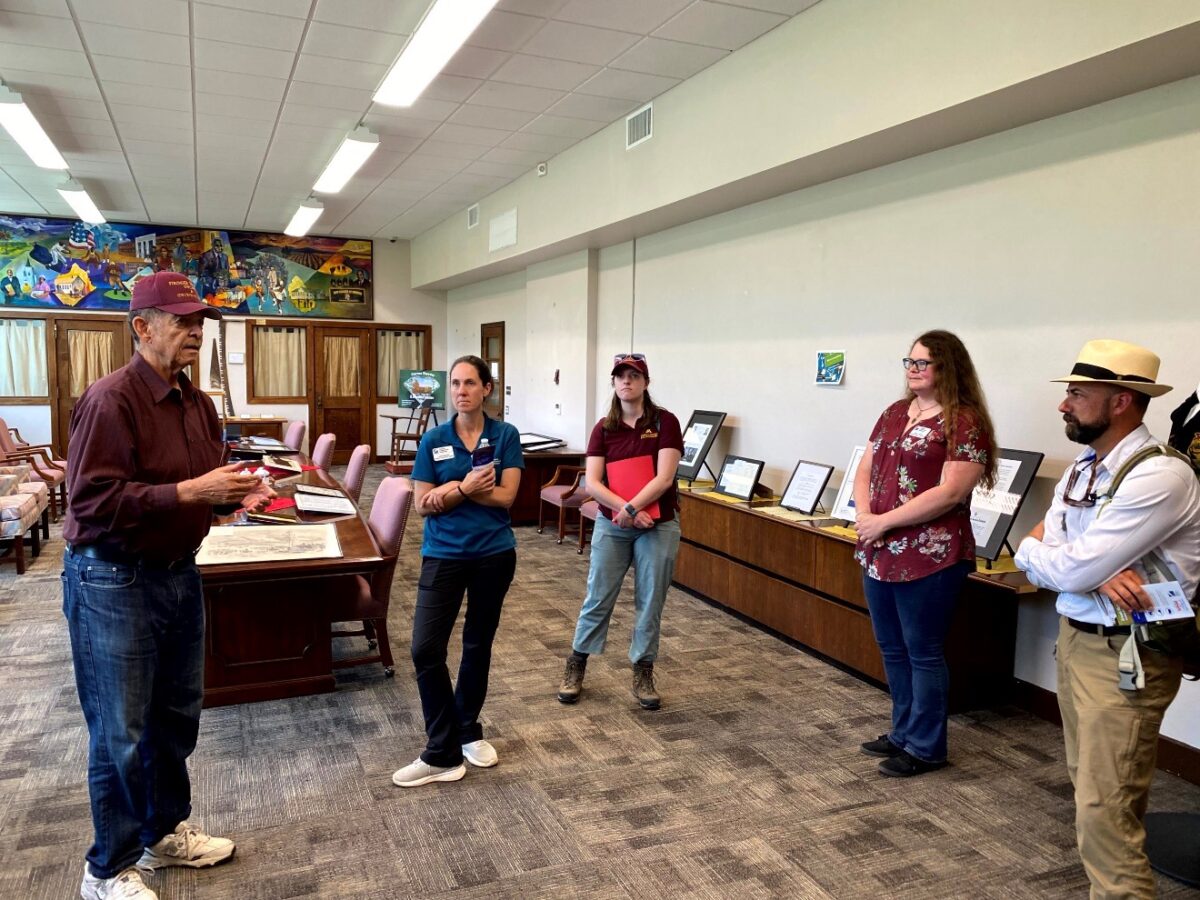
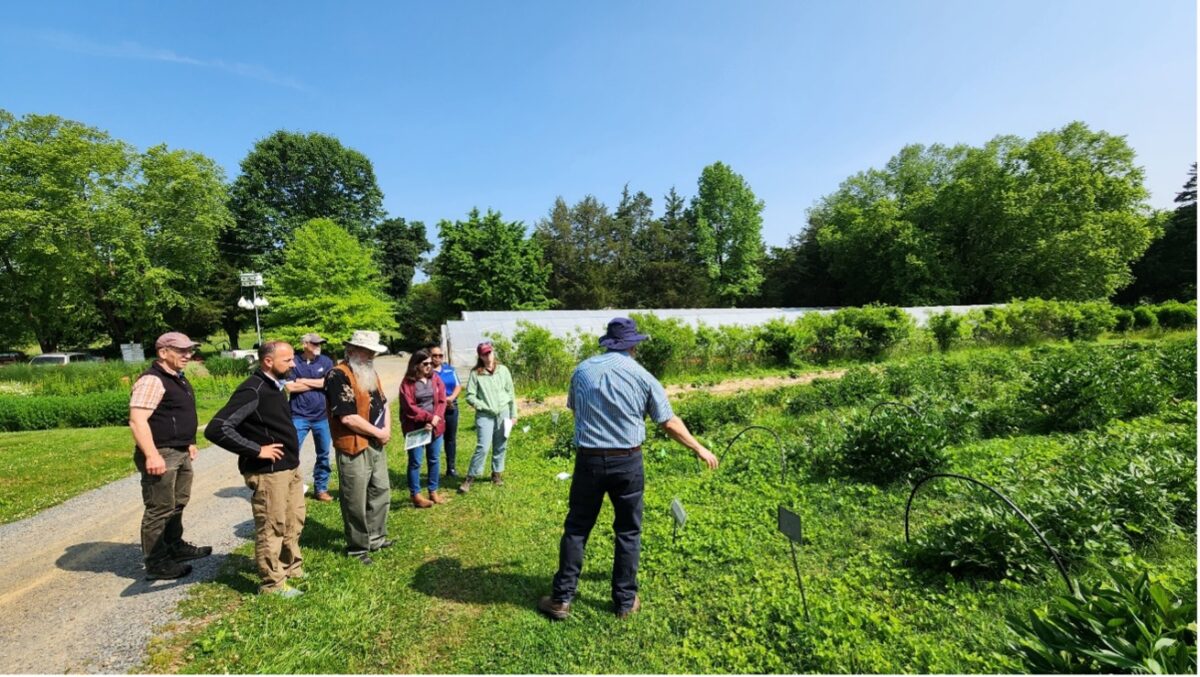
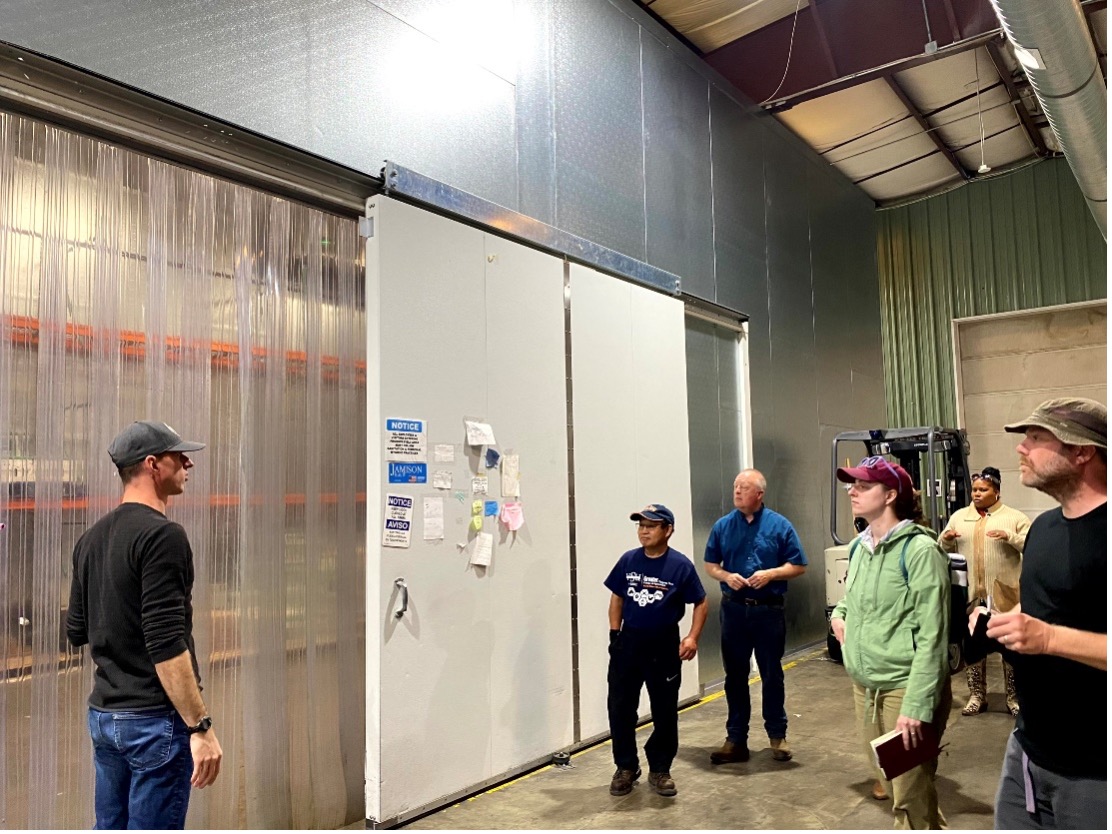
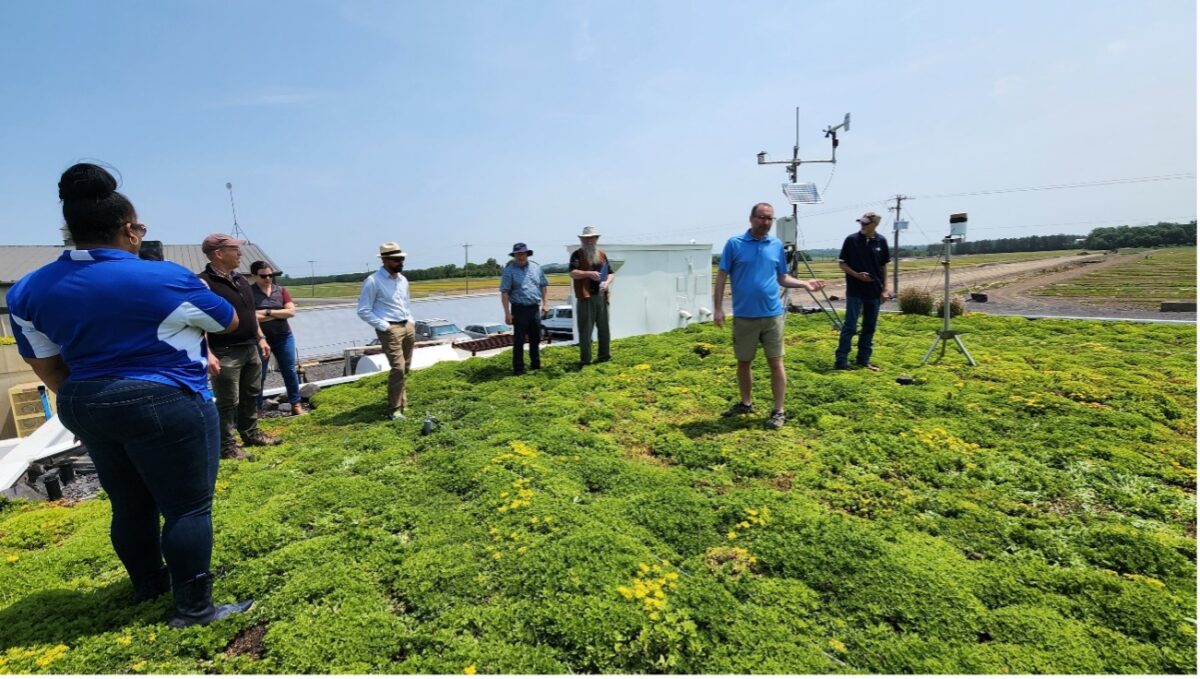
The Fellows’ training included tours and conversations at the following sites in the Northern Piedmont region of Virginia: Wollam Gardens, a cut-flower business and destination in Jeffersonton; SemperGreen USA, the largest and fastest growing green roof vegetation and living wall grower of Sedum products in North America, based in Culpeper; the George Washington Carver Center, which hosts an onsite agriculture research center through Virginia Cooperative Extension, a Food Enterprise Center, Virginia State University’s Small Farm Outreach Program, the Minority and Veteran Farmers of the Piedmont (MVFP), and the Friends of the Rappahannock Conservation Nursery; the Fauquier Education Farm that serves the Virginia Beginning Farmer and Rancher Program’s Northern Piedmont Farmer Incubator program and grows fresh produce for local food banks and pantries; 4P Foods, a food port and regional hub that aggregates, processes and delivers in-season produce sourced from independent farmers we know and trust in Washington, DC, Virginia, Maryland and throughout the Eastern Seaboard and Mid-Atlantic; the Mid-Atlantic Food Resilience and Access Coalition (MAFRAC) that emerged to address the food crisis triggered by the pandemic in March 2020 and continues to resource, connect and empower farmers, producers and food organizations throughout the region; Cool Lawn Farm LLC, a multi-generational dairy farm in Remington that has expanded to include Moo Thru as a retail business that now serves ice cream, sundaes and shakes at three locations in the region.

All of the collaboration evident at the George Washington Carver Center allowed the Fellows to conduct a modified “Reading the Farm” exercise that involved a SWOT (Strengths, Weaknesses, Opportunities and Threats) Analysis of the Carver Center’s integrated educational programming after touring the different programs. The participants enjoyed a walk through VSU’s Mobile Meat Processing Unit for Small Ruminants, the Food Enterprise Center’s Incubator kitchen, and the George Washington Carver Regional High School Museum, where they learned about the overall vision for the Carver Center as a regional food system resource center. Some strengths and opportunities that were identified included location, administrative support, legacy of George Washington Carver’s name and foresight, and the passion and cooperation of multiple collaborators. The Fellows were cognizant of the challenges of aligning missions, balancing capacity in the early stages of development, and maintaining momentum and energy around the Center’s mission and vision.

The National SARE Fellows Tour was organized and coordinated on behalf of Virginia SARE by Eric Bendfeldt of Virginia Tech and Sanjun Gu and Chris Mullins of Virginia State University. SARE Fellows, who came from Washington, Mississippi, Montana, Kansas, Minnesota and Wisconsin this year, showed great interest in all of the strategically arranged tour stops and learned a great deal about sustainable agriculture in Virginia, especially in counties in close proximity to Metropolitan DC.

Posted in 1

The Value of Farming with Community

Shakera and Juan Raygoza talk about why their bonds with local consumers, families, schools, agricultural educators and other farmers are beneficial for both them and for the community where they live and farm. They operate Terra Preta Farm on 15 acres in Edinburg, Texas, where they grow organic radishes for wholesale markets and run a small vegetable CSA. They make an effort to connect with their community through their CSA and farmers' market customers, and by allowing families to visit on weekends, hosting grade school field trips, and collaborating with the local university on a beginning farmer training program.

Posted in 1

Free Fact Sheets Identify Broad Benefits of Cover Crops

Along with cutting costs and increasing crop productivity, cover crops provide various ecosystem services that benefit the environment both on and off the farm. For instance, adding cover crops to a rotation can significantly increase the portion of the year when living roots are present for soil organisms to feed on, which can have a significant impact on carbon sequestration. They also support wildlife and beneficial insects, and protect water quality by playing an important role in nutrient management. SARE’s Ecosystem Services from Cover Crops fact sheets explore the many ways cover crops can maintain soil and benefit the farm ecosystem, including:

Check out the fact sheets now

These free, downloadable and printable fact sheets are an excellent resource for educators, Extension service providers, farmers hosting field days and others. A great overview fact sheet is the “10 Ways Cover Crops Enhance Soil Health,” which addresses the four basic principles for maintaining and improving soil—and how cover crops support those principles.

If you want to dig deeper into the economics and profitability of cover crops, SARE’s newest bulletin, Cover Crops Economics, explores the economics of cover crops in corn and soybean rotations to help farmers answer that big question: “When do cover crops pay?” Download the PDF, view the online version, or order complimentary copies.

Posted in 1

NAC Index of SARE-Funded Agroforestry Projects Now Online

An example of alley cropping

Photo credit: Shibu Jose, University of Missouri Center for Agroforestry

Valuable SARE-funded agroforestry research is now even more accessible to producers and educators across the country thanks to a new online index created by the National Agroforestry Center (NAC) using data from the SARE project database. The NAC index allows users to search SARE-funded agroforestry projects by practices, state, date and project type. Having quick and easy access to SARE research results allows producers, educators and policymakers to make informed decisions regarding agroforestry implementation and research.

Access the NAC SARE Grant Index.

SARE and the National Institute of Food and Agriculture (NIFA) support sustainable agroforestry by awarding grants to farmers, researchers and educators that support systems-oriented interdisciplinary research, outreach and professional development. SARE thanks NAC as well as David Livingstone and Nicolas Manzi from the University of Nebraska for their work on this helpful online resource.

Posted in Uncategorized

Using Flowering Insectary Borders to Boost Natural Enemies

Beneficial insects play an important role in managing insect pests and pollinating crops, but they struggle to thrive in and around farms that have low plant diversity and rely mainly on tillage. Routine soil disturbances and low plant diversity can mean fewer prey, shelter and plant-based resources available to support natural enemies, especially early in the season when their food is scarce. “I like to remind producers that good bugs are more than just predators—they rely on plants for food and shelter as well. Without sufficient plant diversity on the farm, they can't thrive and do their jobs,” said entomologist Jermaine Hinds.

While pursuing a doctorate at Penn State University, Hinds joined an ongoing research project with his advisor Mary Barbercheck and a team of researchers who wanted to compare the benefits of growing more diverse cover crop mixtures in a wheat-corn-soy rotation. “We were excited to see if we could take advantage of the unique traits of different cover crops, especially in mixtures, in order to help build soil, manage weeds and regulate pests,” said Hinds.

When farmers plant cover crops, they often have to terminate it before it can reach peak bloom, thus losing the opportunity to provide natural enemies and pollinators with early-season nectar and pollen. While the research team was at first challenged by the idea of delaying termination of the cover crop to allow for bloom time, Hinds began to think of ways they could reintroduce floral diversity into the landscape without compromising management of the crop.

“We decided that we could partially terminate the cover crop and leave behind a border made up of diverse flowering cover crops that would reach peak bloom and would support beneficial insects later into the season.”

With support from a 2014 SARE Graduate Student grant, Hinds was able to further his research into using flowering cover crops to support natural enemies. Wanting to take advantage of the unique benefits offered by different cover crop species, he decided to test buckwheat and cowpeas to see how effectively they could support natural enemies in a nearby corn crop.

Through his research, Hinds found that important natural enemies, like the pink-spotted lady beetle and insidious flower bug, were more common in fields with a neighboring flowering cover crop. Although the research team could not reliably establish cowpeas due to wet spring field conditions, their laboratory studies also yielded some interesting results.

In the lab, they found that insidious flower bugs, which are important predators in many cropping systems, survive longer and lay more eggs when given plant nectar and pollen from either buckwheat or cowpeas. “When we raised insects on both plant species together, they survived even longer and laid even more eggs,” Hinds noted. “This kind of research can help us think about the particular plants we can use to bolster important natural enemies and about how to design cropping systems and rotations where we can take advantage of the services provided by beneficial insects.” The team shared their research with enthusiastic growers at farmer field days and garnered a lot of interest in flowering mixtures and how they can support natural enemies in different cropping systems.

“Looking back, I think it was great that Mary encouraged all of her students to apply for SARE grants,” Hinds remarked. “The process definitely challenged us, and it was an excellent source of professional development. With my funded grant, I was able to expand my research, gain grant-writing and budget-management experience, as well as engage in networking and even collaborative research with the USDA.”

Recently, Hinds joined the team at SARE Outreach, where he uses his expertise to develop accessible and practical outreach materials for agricultural audiences and professionals. “I think it’s wonderful to have the opportunity to support a program that was so critical to my professional development and success in my graduate career.”
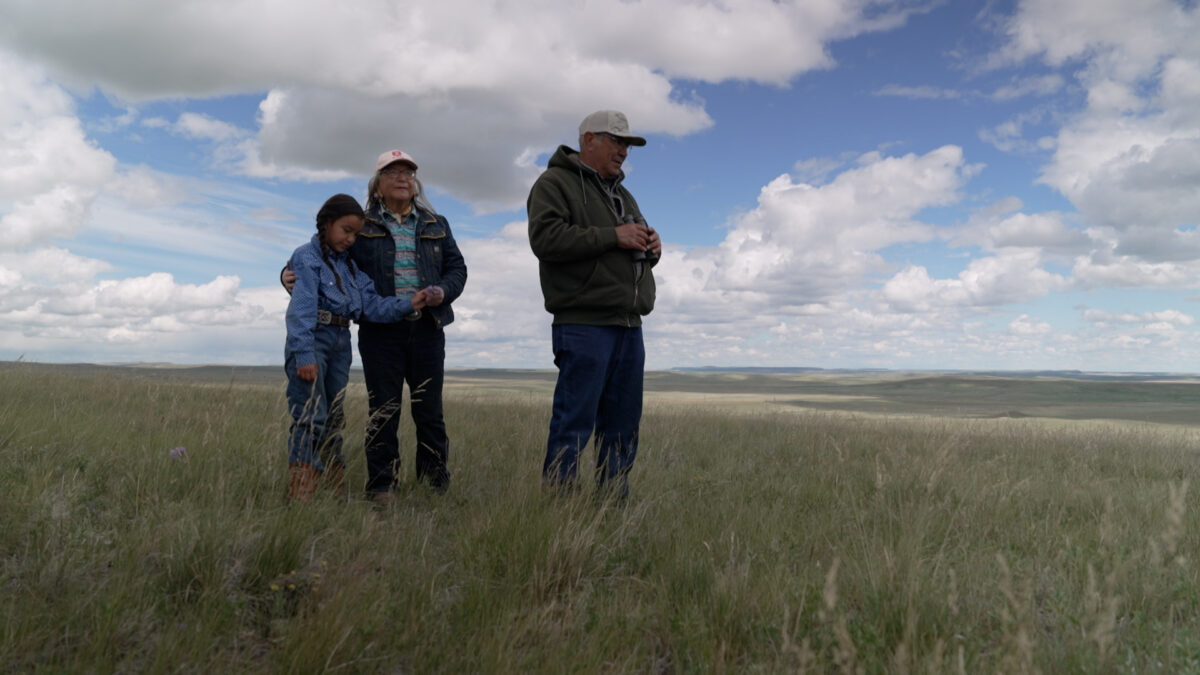
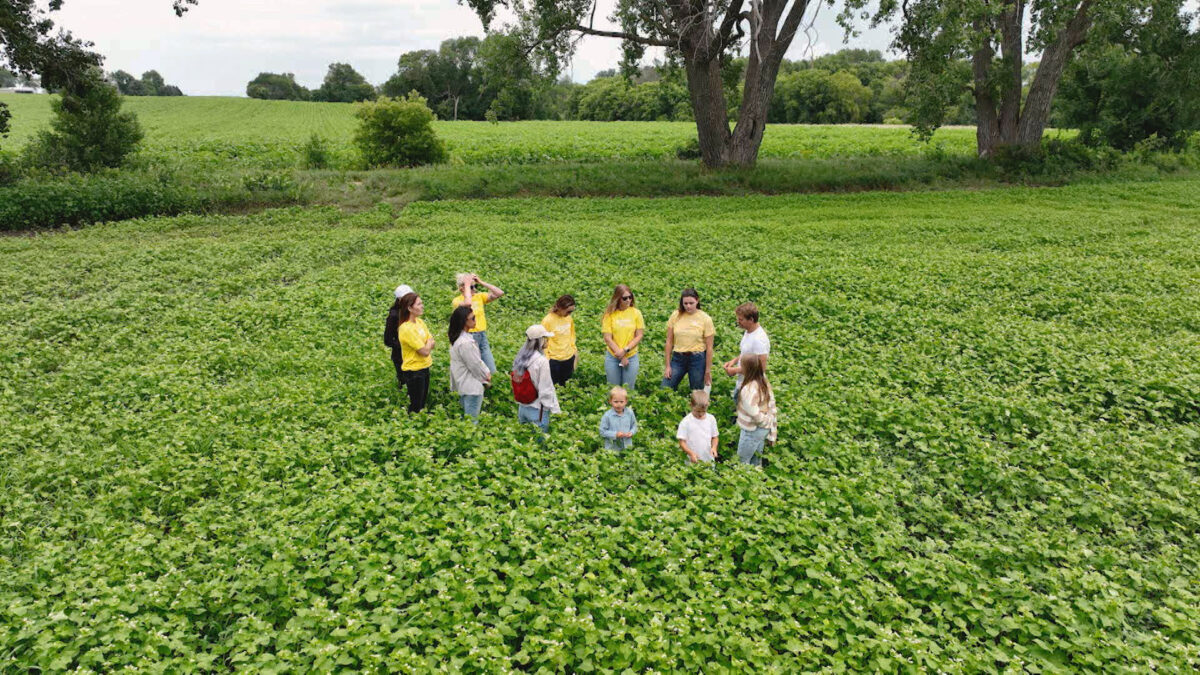
Jermaine Hinds portrait in a field

Jermaine Hinds
Technical Review Specialist
(301) 405-3189

research@sare.org

Posted in 1