Showing 71-80 of 299 results
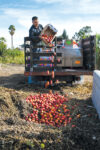
National SARE Food Loss and Waste Program Webinar
SARE Food Loss and Waste Program Manager Lisa Johnson will walk participants through the details of the Call for Proposal and answer participant questions related to the grant in a webinar taking place on Zoom on May 7 from 12 p.m. (NOON)- 1 p.m. EST.
Farmers and Ranchers Report Research Impacts
“This project provided a 'first look' at how legume cover crops might function in our crop rotations," says Texas A&M AgriLife Extension agronomist Reagan Nolan, discussing his search for cover crop mixes that can help meet the challenges of farming in western Texas. Nolan wanted to explore whether legume cover crops could be incorporated into […]
New Podcast Episode: "Chestnuts in Southeastern Ohio: A Cooperative Small Farm Effort"
Dive into the world of chestnut production in this episode of ATTRA’s Voices from the Field podcast. NCAT Sustainable Agriculture Specialist Tyler Jenkins talks with Michelle Ajamian, a network developer for the Appalachian Stable Foods Collaborative. Ajamian, based in southeastern Ohio, advocates for small-scale farming and discusses the challenges and triumphs of cultivating a chestnut […]
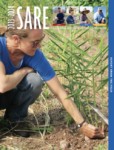
2023–2024 Report from the Field
SARE grants havehelped our viabilityas a business anddemonstrated thatsmall businessescan make a positiveimpact on theenvironment when wedevelop relationshipswith each other forthe benefit of all. Jeanine SeabrookGlass Rooster Cannery Letter from the Director I have always appreciated the value of long-term research as well as the long-term impact of both applied and basic research. The core […]
New Podcast Episode: "Edible Landscaping"
In this episode of ATTRA’s Voices from the Field podcast, NCAT Horticulture Specialist Guy Ames talks with Matthew Lebon about edible landscaping, or the practice of integrating edible plants into ornamental landscaping. Lebon is the visionary behind Custom Foodscaping in St. Louis, Mo. The two delve into the intricacies of shaping the land with food […]
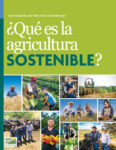
¿Qué es la Agricultura Sostenible?
Una forma sencilla de pensar en la agricultura sostenible es que implica producir suficientes alimentos y fibra para satisfacer las necesidades actuales sin comprometer la capacidad de las generaciones futuras para hacer lo mismo. Los agricultores y ganaderos que valoran la sostenibilidad adoptan tres objetivos comunes mientras llevando a cabo operaciones productivas: Para lograr estos […]
Guía del Agricultor Sobre Estructuras Empresariales
Establecer y mantener la correcta estructura empresarial para la operación de su granja sienta las bases para un negocio agrícola estable y resiliente. La formación de una estructura empresarial puede ayudar a i) gestionar el riesgo mediante la protección de los activos de las personas propietarias ante las responsabilidades de la empresa; ii) promover las […]
New Podcast Episode: "Building Local Food Systems in Montana"
In this episode of ATTRA's Voices from the Field podcast, NCAT Local Food Systems Specialist Maura Henn speaks with Michal DeChellis of the Alternative Energy Resources Organization (AERO) in Montana. Their conversation focuses on building resilient community food webs and connecting communities to local food solutions. DeChellis is AERO’s program manager for the Montana Food […]
SARE Seeking National Program Manager in Support of Food Loss and Food Waste Initiative in 2024
Distributed by SARE Outreach on behalf of Southern SARE. To apply, log in to or create an account in the SARE Grant Management System using the link below. For more information, contact Southern SARE Program Director Jeff Jordan at jjordan@uga.edu. GRIFFIN, Georgia -- In 2024, the Sustainable Agriculture Research and Education (SARE) program will initiate a $10 […]
New SARE Bulletin: Best Practices for the Sustainable Urban Farm
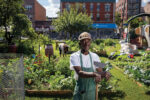
For decades, urban farms and community gardens have helped meet demand for fresh and local produce. Urban farming creatively utilizes limited space, conserves land and transforms vacant lots or buildings into productive greenspaces. Farming in cities can be a rewarding way for communities to grow healthy food while receiving a wide range of other interrelated environmental, […]