Showing 1-10 of 17 results
2025–2026 Report from the Field
In Recognition of Farmers and Ranchers SARE has been around for nearly 40 years, and the impacts that our grant and outreach programs have had on the sustainability of U.S. agriculture are because of one simple thing: Farmers and ranchers are at the center of everything we do. SARE is afunding sourcefor producers.It’s designed forproducers, […]
New from SARE: Farmer-to-Farmer Manuals on Specialty Crop Production, Harvest and Storage in the Northeast
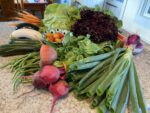
The Northeast Crop Production Manual and Northeast Harvest Manual are user-friendly guides offering step-by-step information on growing, harvesting and handling dozens of specialty crops.
Farmers and Ranchers Report Research Impacts
“This project provided a 'first look' at how legume cover crops might function in our crop rotations," says Texas A&M AgriLife Extension agronomist Reagan Nolan, discussing his search for cover crop mixes that can help meet the challenges of farming in western Texas. Nolan wanted to explore whether legume cover crops could be incorporated into […]
2023–2024 Report from the Field
SARE grants havehelped our viabilityas a business anddemonstrated thatsmall businessescan make a positiveimpact on theenvironment when wedevelop relationshipswith each other forthe benefit of all. Jeanine SeabrookGlass Rooster Cannery Letter from the Director I have always appreciated the value of long-term research as well as the long-term impact of both applied and basic research. The core […]
A Path to Farm Community
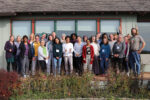
Farmers, like all of us, need time and strength to focus on relationships, health, healing and a sense of belonging, yet many agriculture service providers are unable to give wellness the attention it needs. A recent Cornell Small Farms project, Reconnecting with Purpose, aimed to provide farmers with additional support to cope with the hard […]
New SARE Video: Ecological Weed Management at the Martens Farm
Farmers nationwide are tackling the challenge of using ecological principles to manage weeds using fewer herbicides. Understanding the biology of weeds is key to helping producers adopt innovative strategies that achieve strong yields while adapting to changing consumer preferences. Three new videos from SARE illustrate how Klaas and Mary-Howell Martens manage weeds without chemicals on […]
Farm Education for the Deaf Community—Introduction (American Sign Language)
In this video, Monu introduces the video series created to provide farm education to the deaf community. The series is available in both in American Sign Language and Nepali Sign Language.
Manage Weeds on Your Farm Video Series
n this series, experienced farmers from around the country talk about their weed control methods.
Cover Crops for Soil Health Workshop
All session recordings and slide presentations from this three-day professional development workshop are available online. Hosted by Northeast SARE and Delaware State University in March 2016, this event addressed the latest research on the benefits and successful management of cover crops in grain, vegetable and animal production systems.
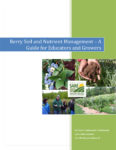
Berry Soil and Nutrient Management Guide for Educators and Growers
This manual has been designed as a comprehensive guide for educators and commercial berry growers interested in improving berry crop soil and nutrient management.