Showing 1-10 of 15 results
Farmer-Led Research Identifies Plants With the Power to Attract Pollinators
Hardy plants that attract pollinators may be one practical method of boosting pollination and protecting yields.
Guide to Honey Bee Queen Banking
This guide will walk you through the step-by-step process of establishing and maintaining a queen bank. The guide starts with the basics and walks the reader through each step to create a successful honey bank that includes a queen bee. Because queen bees are so critical in maintaining a bank, beekeepers center their focus on […]
A Whole Farm Approach to Managing Pests
This 16-page bulletin helps producers—and the educators who work with them—use ecological principles across the entire farm to control pests.
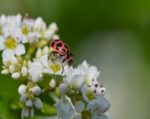
Using Flowering Insectary Borders to Boost Natural Enemies
Beneficial insects play an important role in managing insect pests and pollinating crops, but they struggle to thrive in and around farms that have low plant diversity and rely mainly on tillage. Routine soil disturbances and low plant diversity can mean fewer prey, shelter and plant-based resources available to support natural enemies, especially early in […]
Cover Crop Role in the Cropping System
Cover Crops and Nutrient Management Cover Crop Impacts on Diseases and Insects Cover Crops, Herbicides and Dealing with Herbicide-Resistant Weeds
Managing Cover Crops for Ecosystem Services in Vegetable Systems
Natalie Lounsbury (University of New Hampshire) discusses how to manage cover crops for such ecosystem services as: suppressing weeds, attracting pollinators, cycling nutrients, promoting biological diversity and controlling erosion.
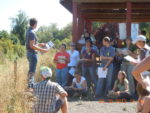
Western Pollinator Conservation Planning Short Course
The Challenge Hives of European honeybees, commonly purchased for pollination services, have become more difficult to obtain due to decline from disease and Colony Collapse Disorder (CCD). Native bees can make a significant contribution to crop pollination. Protecting, enhancing, or providing natural habitat on farms is the best way to conserve native pollinators. The USDA, […]
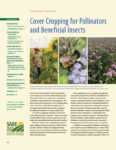
Cover Cropping for Pollinators and Beneficial Insects
This 16-page bulletin will help you use cover crops to encourage populations of pollinators and beneficial insects on your farm while you address your other resource concerns.
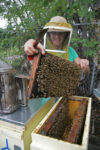
Cutting Edge Research: Helping Bees Help Themselves
Diseases, pests and the mysterious phenomenon of colony collapse disorder pose a dire threat to the U.S. beekeeping industry and, in turn, to the $20-billion-a-year crop industry that relies on insect pollination. Because of these increasing pressures, the ranks of managed bee colonies have plummeted in recent years: On average, beekeepers are losing 30 percent […]
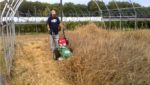
Kansas State High Tunnel Video Series
This video series was developed by Kansas State Research and Extension, and includes segments on the following topics related to commercial high tunnel or hoop house production: Overview | Design | What to Plant | Basic Management Considerations | Intensive Management | Resources