Showing 11-17 of 17 results
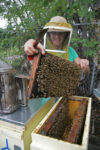
Cutting Edge Research: Helping Bees Help Themselves
Diseases, pests and the mysterious phenomenon of colony collapse disorder pose a dire threat to the U.S. beekeeping industry and, in turn, to the $20-billion-a-year crop industry that relies on insect pollination. Because of these increasing pressures, the ranks of managed bee colonies have plummeted in recent years: On average, beekeepers are losing 30 percent […]
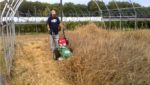
Kansas State High Tunnel Video Series
This video series was developed by Kansas State Research and Extension, and includes segments on the following topics related to commercial high tunnel or hoop house production: Overview | Design | What to Plant | Basic Management Considerations | Intensive Management | Resources
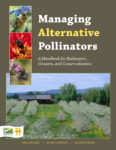
Managing Alternative Pollinators
Managing Alternative Pollinators: A Handbook for Beekeepers, Growers and Conservationists is a first-of-its-kind, step-by-step, full-color guide for rearing and managing bumble bees, mason bees, leafcutter bees and other bee species that provide pollination alternatives to the rapidly declining honey bee.
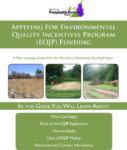
Applying for Environmental Quality Incentives Program (EQIP)
This plain language guide introduces readers to the USDA-NRCS Environmental Quality Incentives Program (EQIP), and explains eligibility for EQIP, how to apply and how the money can be used.
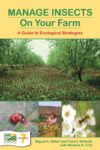
Manage Insects on Your Farm
While every farming system is unique, the principles of ecological pest management apply universally. Manage Insects on Your Farm highlights ecological strategies that improve your farm’s natural defenses and encourage beneficial insects to attack your worst pests.
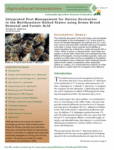
Integrated Pest Management for Varroa Destructor in the Northeastern United States using Drone Brood Removal and Formic Acid
This bulletin focuses on the management of the parasitic honey bee mite Varroa destructor (V. destructor) in the northeastern U.S. It contains information that will allow a beekeeper to: 1) identify V. destructor, 2) recognize the symptoms of mite infestation, 3) determine pest densities, and 4) implement an effective IPM program for keeping mite populations below the economic injury level.
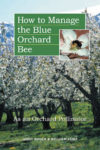
How to Manage the Blue Orchard Bee
How to Manage the Blue Orchard Bee explains how to use this alternative pollinator successfully, including nesting, rearing and wintering, how to manage predators, and more. Available only online.