Showing 91-100 of 110 results
Researchers and Educators Collaborate to Teach Youth about Cover Crops
Across the region, farmers are planting cover crops, a method of revitalizing soil, curbing erosion, and managing pests. Steve Sutera, an Extension educator at South Dakota State University (SDSU), saw an opportunity to bring together Bon Homme County’s Extension service, FFA Chapter, 4-H Club, and ongoing research at SDSU. In 2008, Sutera submitted a proposal […]
Grant Puts (Good) Crimp in Farm Operations
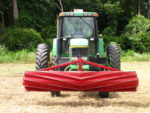
It all began in 2002 with a $6,500 SARE grant and the seed of an idea. Today, that idea has grown into hundreds of research projects around the country, an international business and a new, effective no-till tool that farmers are adding to the ways they suppress weeds in cash-crop fields. The tool is the […]
Dryland Cover Cropping Boosts Yields
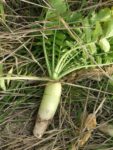
Every drop of water counts for farmers who practice dryland cultivation, a practice that relies on rainfall without the benefit of irrigation. So, when it comes to incorporating cover crops into a dryland rotation, many farmers hesitate, wondering: “How much moisture is the cover crop going to demand, and will I pay for it later […]
The Lucrative Sweet Potato Takes Root
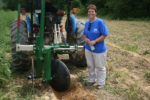
Small-scale tobacco farmers in eastern Kentucky who are looking for alternatives due to changes in the tobacco market are discovering that a relatively easy, often profitable transition lies in sweet potatoes. With relatively low input and capital costs and a short learning curve, they are able to earn gross returns of up to $7,000 per […]
Low-Till Forage Production
To fill their need for year-round, inexpensive forages, California dairy producers typically plant and harvest a series of forage crops: small grains, corn for silage, milo and sorghum sudan. While this requires considerable tillage and seed-bed preparation ahead of each successive crop, the production systems lend themselves to conservation tillage approaches developed in other regions. […]
Cover Crops and No-Till Management for Organic Systems
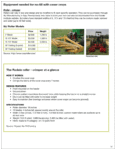
This Rodale Institute fact sheet reviews the use of cover crops and no-till in organic systems, including selection, establishment and mechanical termination of cover crops; crop rotations; and energy and production budgets.
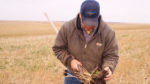
Adding Cover Crops to a No-Till System
South Dakota farm manager Dan Forgey has improved soil quality and the bottom line by successfully introducing cover crops to his long-term no-till system.
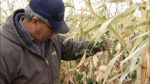
Growing Cover Crops with a Cash Crop
Dan Forgey describes how he grows cover crop mixes in synch with a cash crop of corn, and gets strong yields without chemical fertilizer.
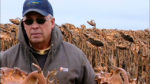
No-Till Farmer: Steward of the Land
Dan Forgey has farmed for 40 years based on the belief that if you take care of the land, it will take care of you, evidenced by his commitment to no-till, cover crops and crop diversity.
Applying for the Conservation Stewardship Program (CSP)
This plain language guide discusses eligibility and the application process for the USDA-NRCS Conservation Stewardship Program (CSP).