Showing 1-10 of 89 results
Sustainable Control of Parasites in Small Ruminant Production
Geographic Applicability Humid or wet areas, including the tropical regions of North America, and the eastern, midwestern, northwestern, and irrigated pastures of the United States. Introduction Sheep and goat production is a viable enterprise, offering opportunities for marketing meat, fiber, and milk, plus grazing services for public agencies, solar farms, and others. Their small size […]
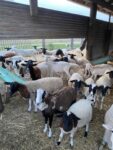
Using an Alternative Feed to Bring Stability in the Face of Drought and Rising Costs
Texas farmer Diana Padilla secured a SARE grant to investigate whether farm-grown moringa oleifera could serve as a practical and sustainable feed substitute.
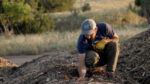
Ranchers Turn to Compost to Improve Soils and Boost Forage Production
Zachary Withers used a Western SARE Farmer/Rancher grant to examine whether applying compost could help his soil retain more rainfall, reduce erosion and improve forage production.
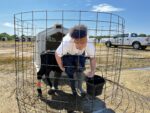
Improving Cattle Production Efficiency and Health Through Breeding and Probiotics
SARE-funded research conducted by Peixin Fan may provide insights on microbiome-guided strategies that offer beef and dairy farmers new options for improving livestock resilience and profitability.
Farmers and Ranchers Are at the Core of SARE’s Research Investments
SARE provides grants directly to producers, which removes the financial risk of testing new ideas for making their operations more profitable, productive and sustainable. And all of SARE’s grant programs require producer engagement throughout their project activities.
2025–2026 Report from the Field
In Recognition of Farmers and Ranchers SARE has been around for nearly 40 years, and the impacts that our grant and outreach programs have had on the sustainability of U.S. agriculture are because of one simple thing: Farmers and ranchers are at the center of everything we do. SARE is afunding sourcefor producers.It’s designed forproducers, […]
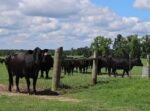
New SARE Video: Build Strong Networks
At HKJ Ranch in Cobbtown, Georgia, fourth-generation cattle farmer Handy Kennedy knows firsthand how critical it is to reach out for support, especially in today’s complex and rapidly changing agricultural landscape.
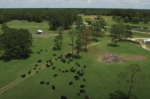
New SARE Video: Use Data to Drive Decision Making
For Handy Kennedy of HKJ Ranch in Cobbtown, Ga., sound data management was key to generational succession on his 200-head cattle operation.
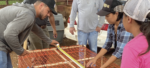
Farmer-Friendly SARE Grant Finds Poultry Production Efficiencies and Processing Barriers In Hawaii
Dependent on imports for more than 80% of their food, Hawaii’s people are perpetually at risk of supply chain interruptions due to natural disasters or other disruptions. Improving the capacity of local food production is one way farmers can generate income opportunities while reducing the remote islands’ risky reliance on imports. Nicole Correa of O‘ahu’s […]
Adapting to Overgrazed Land and Drought on Joe Kipp’s Ranch in the Blackfeet Indian Reservation of Montana
On ancestral Blackfeet land in northern Montana, Joe and Kathy Kipp are breathing new life into overgrazed prairies.