Showing 301-310 of 314 results
Organic Insect Management in Sweet Corn
This fact sheet discusses an integrated strategy for controlling three caterpillar species—corn earworm, European corn borer and fall armyworm—using methods that meet current organic certification standards. Any grower interested in methods that are safe for the applicator and the environment may be interested in this approach.
Integrated Pest Management for Varroa Destructor in the Northeastern United States using Drone Brood Removal and Formic Acid
This bulletin focuses on the management of the parasitic honey bee mite Varroa destructor (V. destructor) in the northeastern U.S. It contains information that will allow a beekeeper to: 1) identify V. destructor, 2) recognize the symptoms of mite infestation, 3) determine pest densities, and 4) implement an effective IPM program for keeping mite populations below the economic injury level.
In-House Composting in High-Rise, Caged Layer Facilities
This fact sheet describes research on composting manure inside of the buildings housing laying hens. Research showed that the addition of a carbon source coupled with frequent aeration of compost in a layer house produced temperatures high enough to inhibit fly reproduction in the material, and odor problems are diminished.
Cultural Practices for Root-Knot and Root-Lesion Nematode Suppression in Vegetable Crop Rotations
This publication discusses the use of non-host crops, sorghum sudangrass and castor bean grown as cover crops, RKN-resistant crops, and the application of poultry litter (PL) and PL compost to manage RKN and root-lesion nematode.
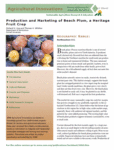
Production and Marketing of Beach Plum, a Heritage Fruit Crop
Beach plum (Prunus maritima Marsh) is one of several shrubby plums native to North America. The jams produced from this fruit command premium prices at farm stands and specialty markets, even in comparison with jam made from other locally grown fruit. However, the wild-collected supply of fruit does not meet this niche market’s demand.
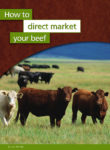
How to Direct Market Your Beef
How to Direct Market Your Beef portrays how one couple used its family’s ranch to launch a profitable, grass-based beef operation focused on direct market sales.
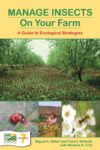
Manage Insects on Your Farm
While every farming system is unique, the principles of ecological pest management apply universally. Manage Insects on Your Farm highlights ecological strategies that improve your farm’s natural defenses and encourage beneficial insects to attack your worst pests.
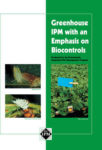
Greenhouse IPM with an Emphasis on Biocontrols
This in-depth manual was designed to help commercial greenhouse growers implement biological control and integrated pest management (IPM).
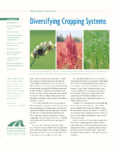
Diversifying Cropping Systems
This bulletin describes some of the many agronomic crop alternatives to use in rotations, with plentiful examples of on-farm successes.
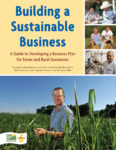
Building a Sustainable Business
Bringing the business planning process alive, Building a Sustainable Business: A Guide to Developing a Business Plan for Farms and Rural Businesses helps today's alternative and sustainable agriculture entrepreneurs transform farm-grown inspiration into profitable enterprises. Incluye una versión abreviada en español.