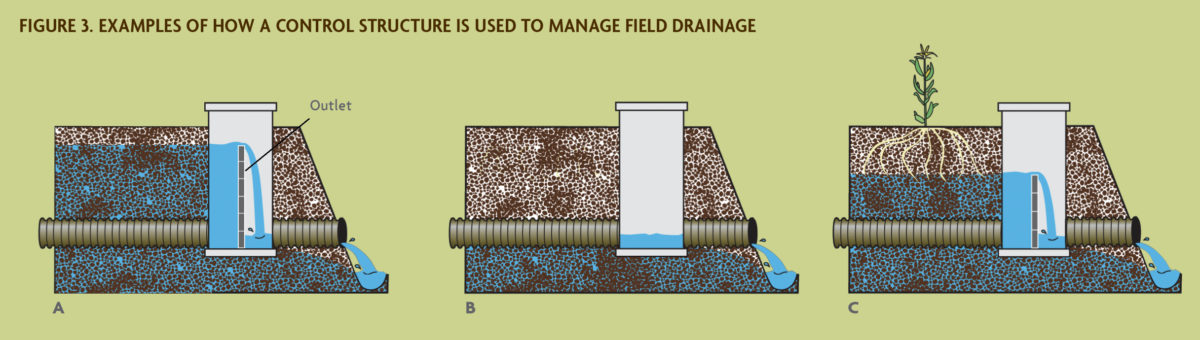
A: The outlet is raised after harvest to reduce nitrate delivery to ditches and streams in the off season.
B: The outlet is lowered a few weeks before planting (and again before harvest) to allow the field to drain more fully before machinery is operated.
C: The outlet is raised after planting and spring operations to increase water storage for crops during the summer.
From Drainage Water Management for the Midwest: Questions and Answers about Drainage Water Management for the Midwest (WQ-44), Purdue Extension.
Tile drainage systems are widely used to manage excess water in regions that receive a lot of precipitation. But when crop production practices that diminish soil health, such as excessive tillage and no crop rotation, are also used, then tile drainage systems do not operate as efficiently as they can because of poor water infiltration. This is why practices that improve soil structure, like conservation tillage and planting cover crops, and that result in increased water infiltration, are important for getting the most out of a drainage system. Excess water will flow more easily through the soil profile and into drain pipes instead of ponding or running off the surface.
In addition, fitting a drainage system with water control structures allows you to control the timing and amount of water leaving the field each year. Drainage water management, or controlled drainage, is a conservation drainage practice that focuses on managing the timing and flow of water leaving your drainage systems. Adjustable water-level-control structures allow you to raise and lower the water table (Figure 3). This gives farmers some flexibility and opportunity to manage their soil water table throughout the year, especially during excessively wet or dry periods.
Water levels are typically managed at key times during the growing season. Raise the water table after harvest in order to keep water and nutrients in your fields. Two weeks before planting or before any scheduled field activities, lower the water table to allow the field to fully drain so you can safely operate equipment without impacting the soil. Raise the water table near your crop root zone after planting. Effective management of drainage water can provide benefits, such as reducing the nitrogen lost as nitrate from fields by up to 40% and reducing annual water discharge by 20–40%. In drier years, crop yield may increase by up to 10%. Further environmental benefits of controlled drainage are improved wildlife habitat, reduced erosion and cleaner water.
Controlled drainage systems may be retrofitted onto older systems. Newer systems offer automatic controls, cellular data collection and weather monitoring. Work with your local technical service providers and Extension agents to develop a drainage water management plan that works for you. Cost-share programs are available through NRCS and your state’s department of agriculture to help manage the costs of improving your system.
Apply Nitrogen and Phosphorus with Care to Protect Water Quality
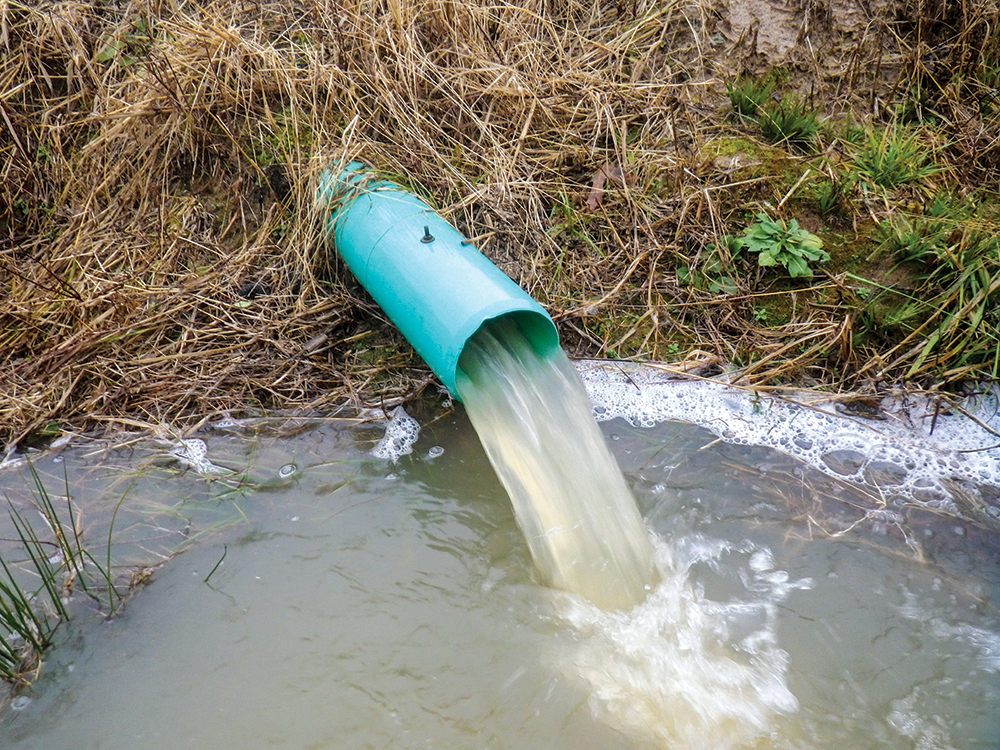
Managing soil phosphorus is a concern for farmers and environmental regulators. Over-applying phosphorus in composted or uncomposted animal waste may contribute to surface water pollution. Although nitrogen and phosphorus are essential for plant nutrition, excessive amounts can wash and leach into waterways.
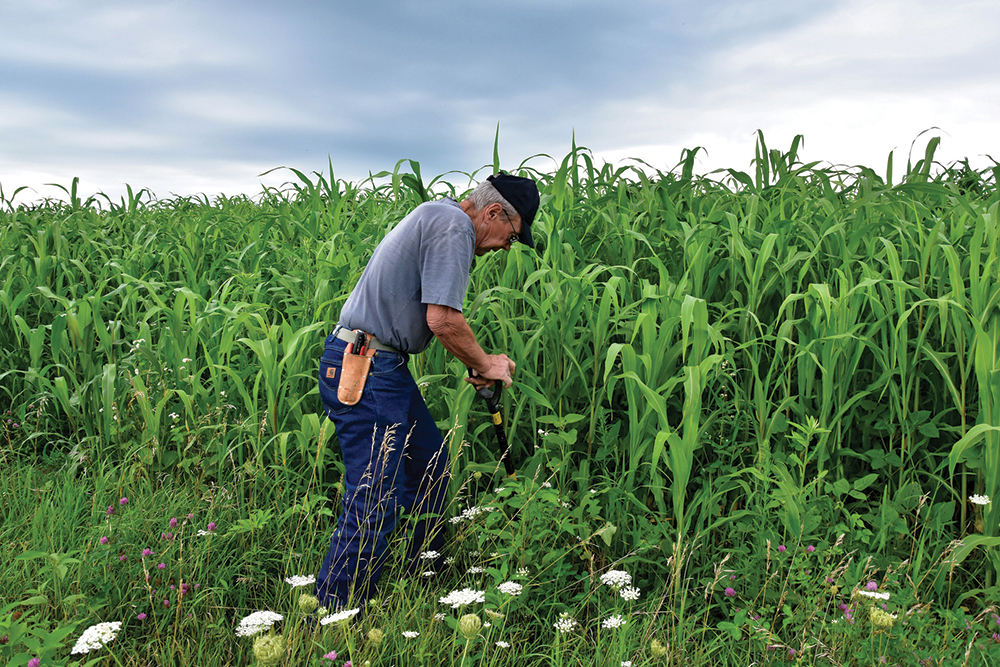
The first step for keeping nitrogen and phosphorus in fields and out of surface waters is to rely on regular soil testing and to maintain soil nutrient levels that support plant growth but do not accumulate beyond optimal levels. NRCS recommends soil testing fields every three to five years. Any nitrogen and phosphorus added through bio-solid or manure applications should be accounted for when determining how much plant-available nitrogen and phosphorus is required to reach the levels recommended by a soil test.
Experts suggest analyzing the phosphorus and nitrogen contents of compost as part of nutrient management planning. Routine testing is both recommended and widely available. Test soil—as well as organic amendments such as compost—for nitrogen and phosphorus levels, and test compost for moisture content. Each state’s soil testing lab, typically located at land grant universities, can also provide information about the phosphorus index (PI) to measure phosphorus concentration.
The NRCS recommends using one of three phosphorus application options when manure or other organic byproducts are land applied:
- PI rating: nitrogen-based manure application on low- or medium-risk sites, phosphorus-based or no manure application on high- or very-high-risk sites
- Soil phosphorus threshold values: nitrogen-based manure application on sites where the soil test phosphorus levels are below a threshold value, phosphorus-based or no manure application on sites that equal or exceed threshold values
- Soil test recommendation: nitrogen-based manure application on sites where there is a soil test recommendation to apply phosphorus, phosphorus-based or no manure application on sites where there is no soil test recommendation to apply phosphorus