• WebStore |
  • Advanced Search |
  • MySARE Login |
  • SARE Social Media |
  • Contact Us |
  • SANET Listserv |
  • Low Bandwidth |
Search MySARE Reports
  • Grants
    • Apply for a Grant
    • Funded Grants in Your State
  • Project Reports
    • Submit a Report
    • Search the Database
    • Project Search Tips
    • About Project Reports
    • About Search Results
    • Project Products
  • Learning Center
    • Books
    • Bulletins
    • Fact Sheets
    • Topic Rooms
    • From the Field
    • Newsletters
    • Multimedia
    • Courses and Curricula
    • Project Products
    • SARE Biennial Reports
    • SANET Listserv
    • SARE Program Materials
    • Conference Materials
    • WebStore
  • Professional Development
    • PDP Overview
    • Fellows & Search for Excellence Programs
    • Sample PDP Grant Projects
    • Educator Curriculum Guides
    • National Continuing Education Program
    • State Coordinator Contact Information
  • State Programs
    • State Coordinator Program Overview
    • State Coordinator Contact Information
    • Funded Grants in Your State
  • Events
    • Event Calendar
    • Past Conferences
  • Newsroom
    • Press Releases
    • SARE in the News
    • Media Contacts
    • Newsletters
    • Media Toolkit
    • A Guide To This Site
    • SARE and Social Media
  • About SARE
    • SARE's Four Regions
    • SARE Grants
    • Learning Center
    • Professional Development
    • SARE Outreach
    • Historical Timeline
    • Staff
    • Vision & Mission
    • Join Our Mailing List
    • What is Sustainable Agriculture?
  • Home»
  • Learning Center»
  • Fact Sheets»
  • Polyculture and Reservoir Ranching»
  • Text Version»
  • Summary
facebook
Twitter
YouTube
- + Font Size
Print
Share

Text Version

  • Paddlefish
  • Polyculture of Paddlefish and Catfish
  • Reservoir Ranching
  • Summary
  • Research Synopsis
  • References
  • Printable Version

Can't find something? Ask or send feedback.

SARE's mission is to advance—to the whole of American agriculture—innovations that improve profitability, stewardship and quality of life by investing in groundbreaking research and education. SARE's vision is...

Summary

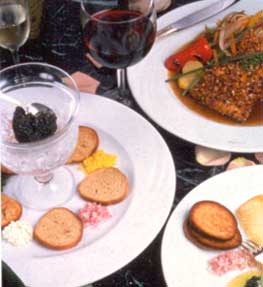
high-end restaurant setting with paddlefish caviar and meat
High-end restaurant with paddlefish caviar and meat.

Summary
Raising paddlefish in ponds with channel catfish or in reservoir ranching is both sustainable and economically promising in temperate climates. The fish grows fast by filter feeding on zooplankton and is valuable for its boneless meat and black roe processed as caviar. Currently, there are only a few hatcheries that produce stocker paddlefish, and supply of the fingerlings is limited, which inversely effects the price (≥3). Chefs at high-end restaurants indicated that the meat was versatile, with many ways of preparation, and that the caviar was a suitable substitute for the more pricy sturgeon caviar.

However, inconsistent supply of these products has slowed its market development. To develop this industry and increase supply, existing bodies of water are needed to produce paddlefish. Catfish farmers and land owners should consider stocking paddlefish into their ponds and private reservoirs. Federal and state governments need to consider changing regulations to permit the stocking and harvesting of paddlefish in selected public reservoirs.

Next Section

Top

You are reading the SARE fact sheet Polyculture and Reservoir Ranching.

Order this publication.

25th SARE logo USDA Logo

1122 Patapsco Building | University of Maryland | College Park, MD 20742-6715

This Web site is maintained by the national outreach office of the SARE program, supported by the National Institute of Food and Agriculture, U.S. Department of Agriculture.

North Central SARE | Northeast SARE | Southern SARE | Western SARE

Sustainable Agriculture Research & Education ©2012

  • Help |
  • RSS Feeds |
  • A Guide To This Site