• WebStore |
  • Advanced Search |
  • MySARE Login |
  • SARE Social Media |
  • Contact Us |
  • SANET Listserv |
  • Low Bandwidth |
Search MySARE Reports
  • Grants
    • Apply for a Grant
    • Funded Grants in Your State
  • Project Reports
    • Submit a Report
    • Search the Database
    • Project Search Tips
    • About Project Reports
    • About Search Results
    • Project Products
  • Learning Center
    • Books
    • Bulletins
    • Fact Sheets
    • Topic Rooms
    • From the Field
    • Newsletters
    • Multimedia
    • Courses and Curricula
    • Project Products
    • SARE Biennial Reports
    • SANET Listserv
    • SARE Program Materials
    • Conference Materials
    • WebStore
  • Professional Development
    • PDP Overview
    • Fellows & Search for Excellence Programs
    • Sample PDP Grant Projects
    • Educator Curriculum Guides
    • National Continuing Education Program
    • State Coordinator Contact Information
  • State Programs
    • State Coordinator Program Overview
    • State Coordinator Contact Information
    • Funded Grants in Your State
  • Events
    • Event Calendar
    • Past Conferences
  • Newsroom
    • Press Releases
    • SARE in the News
    • Media Contacts
    • Newsletters
    • Media Toolkit
    • A Guide To This Site
    • SARE and Social Media
  • About SARE
    • SARE's Four Regions
    • SARE Grants
    • Learning Center
    • Professional Development
    • SARE Outreach
    • Historical Timeline
    • Staff
    • Vision & Mission
    • Join Our Mailing List
    • What is Sustainable Agriculture?
  • Home»
  • Learning Center»
  • Fact Sheets»
  • A Sustainable Approach to Controlling Honey Bee Diseases and Varroa Mites»
  • Text Version
facebook
Twitter
YouTube
- + Font Size
Print
Share

Text Version

  • Breeding for Resistance
  • Testing Honey Bee Colonies for Hygienic Behavior
  • Breeding for Hygienic Behavior
  • Frequently Asked Questions
  • Research Synopsis
  • References
  • Printable Version

Can't find something? Ask or send feedback.

SARE's mission is to advance—to the whole of American agriculture—innovations that improve profitability, stewardship and quality of life by investing in groundbreaking research and education. SARE's vision is...

A Sustainable Approach to Controlling Honey Bee Diseases an Varroa Mites

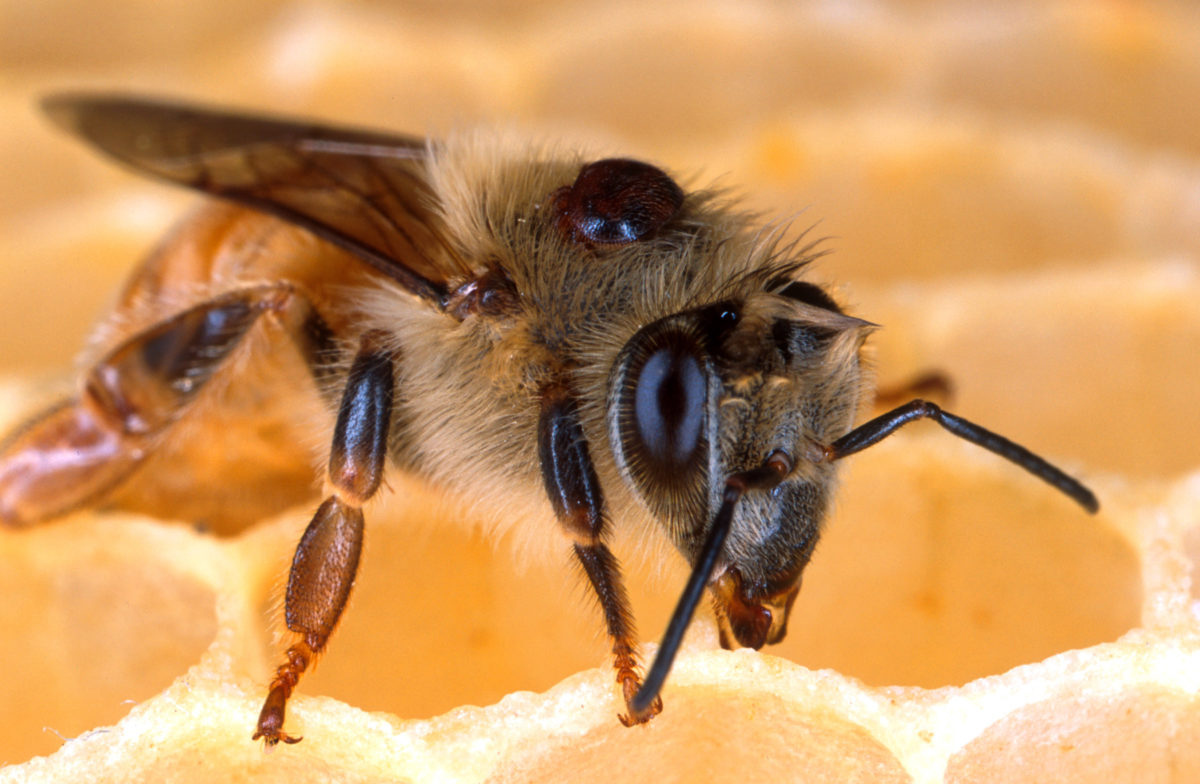
european honey bee with a Varroa mite on its back
A European honey bee with a Varroa mite on its back. The mites cause disease and death in bee colonies.
Photo by Scott Bauer.
Geographic Range: Relevant to beekeepers throughout the U.S. and Canada

Introduction
An estimated one-third of the human diet is derived directly or indirectly from insect pollinated plants. Honey bees are the world's most important insect pollinator of fruit and vegetable crops, home gardens and wildflowers. The number of bee colonies and beekeepers is steadily declining due to the inadvertent introduction of the parasitic mite Varroa destructor into the U.S. in 1987. Left untreated, varroa mites kill most bee colonies within one to two years.

To control the mite, beekeepers have been using pesticides (pyrethroids and organophosphates) in their bee colonies. However, that approach has generated problems, including the mites developing resistance, the enormous operating expense of purchasing and spraying pesticides in honey bee colonies and risks of contaminating honey and beeswax with residue.

Our goal is to breed honey bees, Apis mellifera, resistant to diseases and parasitic mites to reduce the amount of antibiotics and pesticides used in bee colonies and to ensure that our breeding methods and stock are accessible to beekeepers everywhere. A reduction in pesticide use by beekeepers will enhance environmental quality and economic viability of individual beekeeping operations; strengthen an agricultural system (beekeeping) based on small and moderate-scale owner-operated farms; protect human health and safety by preventing the risk of contaminating honey and hive products; and promote the well-being of honey bees -- our honey producers and vital pollinators.


See Full Article

You are reading the SARE fact sheet A Sustainable Approach to Controlling Honey Bee Diseases and Varroa Mites.

Order this publication.

25th SARE logo USDA Logo

1122 Patapsco Building | University of Maryland | College Park, MD 20742-6715

This Web site is maintained by the national outreach office of the SARE program, supported by the National Institute of Food and Agriculture, U.S. Department of Agriculture.

North Central SARE | Northeast SARE | Southern SARE | Western SARE

Sustainable Agriculture Research & Education ©2012

  • Help |
  • RSS Feeds |
  • A Guide To This Site