Showing 111-120 of 130 results
Adding Cover Crops to a No-Till System
South Dakota farm manager Dan Forgey has improved soil quality and the bottom line by successfully introducing cover crops to his long-term no-till system.
Growing Cover Crops with a Cash Crop
Dan Forgey describes how he grows cover crop mixes in synch with a cash crop of corn, and gets strong yields without chemical fertilizer.
No-Till Farmer: Steward of the Land
Dan Forgey has farmed for 40 years based on the belief that if you take care of the land, it will take care of you, evidenced by his commitment to no-till, cover crops and crop diversity.
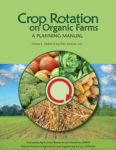
Crop Rotation on Organic Farms
Crop rotation strategies that can be applied under various field conditions for conventional or organic crops to improve soil quality and health, and manage pests, diseases, and weeds
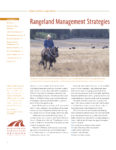
Rangeland Management Strategies
Features innovative SARE-funded research on creating and sustaining a healthy range.
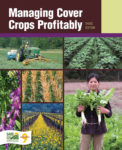
Managing Cover Crops Profitably, 3rd Edition
Managing Cover Crops Profitably explores how and why cover crops work and provides all the information needed to build cover crops into any farming operation.
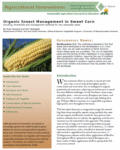
Organic Insect Management in Sweet Corn
This fact sheet discusses an integrated strategy for controlling three caterpillar species—corn earworm, European corn borer and fall armyworm—using methods that meet current organic certification standards. Any grower interested in methods that are safe for the applicator and the environment may be interested in this approach.
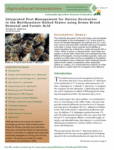
Integrated Pest Management for Varroa Destructor in the Northeastern United States using Drone Brood Removal and Formic Acid
This bulletin focuses on the management of the parasitic honey bee mite Varroa destructor (V. destructor) in the northeastern U.S. It contains information that will allow a beekeeper to: 1) identify V. destructor, 2) recognize the symptoms of mite infestation, 3) determine pest densities, and 4) implement an effective IPM program for keeping mite populations below the economic injury level.
In-House Composting in High-Rise, Caged Layer Facilities
This fact sheet describes research on composting manure inside of the buildings housing laying hens. Research showed that the addition of a carbon source coupled with frequent aeration of compost in a layer house produced temperatures high enough to inhibit fly reproduction in the material, and odor problems are diminished.
Cultural Practices for Root-Knot and Root-Lesion Nematode Suppression in Vegetable Crop Rotations
This publication discusses the use of non-host crops, sorghum sudangrass and castor bean grown as cover crops, RKN-resistant crops, and the application of poultry litter (PL) and PL compost to manage RKN and root-lesion nematode.